
More like Performance Min; Tick, Tock, Tick, Tock
PMax has joined Search as what Google dubs “the power pair.” Plus, TikTok usage and ad spend are still dropping.
PMax has joined Search as what Google dubs “the power pair.” Plus, TikTok usage and ad spend are still dropping.

YouTube advertisers prefer long-form videos to Shorts; Microsoft tests an ad-supported version of its Office suite; and Chegg sues Google over lost traffic from gen AI search.

US judge rules generative AI has no fair use claim; Snap sets its sights on SMBs; MMM comes to CTV; and Disney introduces ads in live TV, even for paid users.
Chinese advertisers and ecommerce companies have become a force in American shopping. What happens now?
Google’s open-source MMM product goes live; Amazon Prime Video’s ad biz turns one; and teens don’t trust Big Tech and have doubts about AI.

Sen. Ron Wyden shared his stance on a federal privacy law, consumer data brokers and, for good measure, his thoughts on Meta CEO Mark Zuckerberg cozying up to President Trump. (“I thought it was god awful,” he said.)

For many advertisers and agencies, returning to TikTok this week felt a bit like remote working through a natural disaster: Business as usual, except not really.

The first half of this decade has left publishers reeling from a pandemic jab and an AI uppercut that rearranged our reality and knocked us to our knees. Here’s how pubs and their ad tech partners can punch back in the years ahead.

TikTok was granted a 75-day stay of execution this week. We discuss what’s next for the social media platform, why it was classified as a threat to national security and how advertisers are responding.
P&G pumps the brakes on paid media and turns to product innovation to drive growth; with TikTok’s fate unclear, Snap and Reddit offer credits for new advertisers; and brands are following news audiences and journalists to Substack.
Retail media might not ruin retail, but the strikes are adding up. Plus, TikTok throws its support behind Trump.
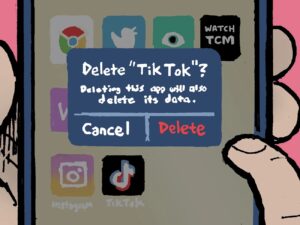
As a brand, the social media platform TikTok has only existed for about seven or eight years. Yet during that short time, it’s completely taken over the minds of users, business owners, advertisers, and, most notably, elected officials. And now, despite generating billions of dollars in annual revenue, it might be on its way out.
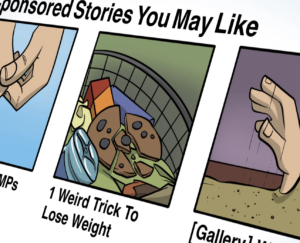
AI-generated slop content is growing exponentially online. Plus, publishers and new organizations are strategizing for a post-TikTok future.
AI chatbots entice users into subscriptions with free trials; non-pornographic content creators are raking in ad bucks on PornHub; and the US TikTok ban has Americans flocking to other China-based apps.

Would the internet be a better place if it weren’t run by billionaires? Plus, more brands are cutting out the ad tech middlemen.
Nobody is acting like TikTok will actually be scrapped from American smartphones. Plus, Venu Sports got benched – for good.

Google plans to create an “AI Mode” for its web search engine users. Plus, the social media vultures now circling the air above TikTok.

Sports betting comes under fire over dubious ad claims and problematic targeting; Forbes says Google’s SEO crackdown on affiliate marketing caused it to cut freelancers; and SCOTUS takes on the TikTok case.
Marketers are already beginning to prepare for a world without TikTok. Plus, the TV manufacturing industry is more focused on user tracking and monetizing with ads.

Success with Gen Z isn’t about the stories brands want to tell – it’s about tapping into their stories and aligning with how they live and express themselves. That’s where the PPCCs framework comes in.

AppLovin’s ecommerce advertising beta program has sparked optimism and speculation. Plus, the results of YouTube’s auto-reply program have been mixed.

Ad industry growth will slow to single-digits next year; consolidation hits the CPG market; and predicting the future of the FTC based on a commissioner’s pitch to the president-elect.

What happens if the TikTok ban comes to pass; Netflix’s live sports Hail Mary play; and Channel Factory surfs for buyers.
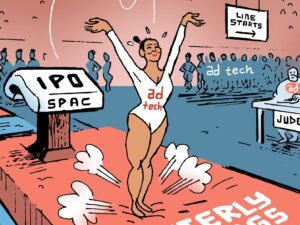
Ecommerce and DTC marketers may be overrelying on YouTube and Meta for advertising. Plus, song recognition technology is becoming a problem.

Black Friday ecommerce continues to surge, mainly on mobile; social platforms pull optimization features for health and beauty brands; and Google’s antitrust lawyers subpoena info about rival AI search startups.
AppLovin might be the next breakout in retail media. Plus, some advertiseres have already turned off TikTok Smart+.
Google Search dings big-name pubs’ affiliate-link-laden articles; Google’s new audience prospecting guesses user intent from less obvious keywords; and TikTok Shop’s success could finally make social commerce a thing in the US.

With the growing number of social media users paying for a premium and often ad-free service, how can marketers engage these audiences?

Despite Chrome’s cookie deprecation turnaround, a comprehensive CAPI strategy remains crucial for brands advertising on Meta, LinkedIn and Snap – yet many advertisers are dragging their feet. Why the reluctance?
Pinterest is picking up supporters on Wall Street. Plus, what’s the deal with the search advertising, AI and data licensing deal between Google and Reddit?