
Prebid.org Is At A Crossroads, And Must Now Decide Whose Interests It Serves
Prebid’s future is up for grabs as the open-source project grows apart from the IAB Tech Lab, the industry’s self-appointed standards authority.

Prebid’s future is up for grabs as the open-source project grows apart from the IAB Tech Lab, the industry’s self-appointed standards authority.

Rather than sharing universal TIDs that any DSP or curator can access, Raptive says publishers should instead share encrypted TIDs with an encryption key provided only to trusted demand-side partners.
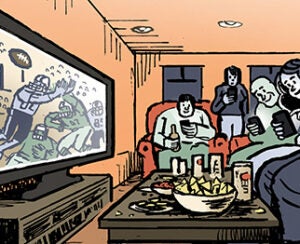
As display falters, Minute Media is acquiring AI tech that cuts longer-form video content and full-length games into bite-size clips.

Google’s SSP tries to cut out its DSP ahead of a possible ad tech breakup; Perplexity’s head of ads skips town; and Amazon’s search ad pause flooded the market with big spenders.

Pause ads are going programmatic, as connected TV ad buying becomes more automated. Plus: how publishers are proposing to be compensated by AI companies – and the odds that they’ll receive what they are asking for.

The IAB Tech Lab video classification updates introduced much-needed clarity. But valuable inventory, now categorized differently, is being deprioritized or rejected, even though its performance hasn’t changed.

IAB Tech Lab CEO Anthony Katsur didn’t mince his words when declaring unauthorized generative AI scraping of publisher content “theft, full stop.”

RE/MAX gets into the retail media game; Meta loses a class-action lawsuit over how it handled period-tracking data; and the IAB Tech Lab unveils its ad delivery playbook for live events.
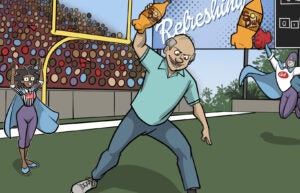
What’s a CAPI and how does it work? Think of as a direct data pipeline that allow brands to circumvent privacy limitations set by browsers. It’s not a workaround, though. Let us explain.

The IAB Tech Lab’s new initiative suggests regulations for how AI bots can access content, ensuring that publishers are fairly compensated.

Curated deals were once seen as a smart way to bring structure to programmatic chaos. Today, they’ve become table stakes.

Advertisers love new ad formats, especially on connected TV. Just look at how many platforms announced their own during the IAB NewFronts and TV upfronts last month. But it’s possible to have too much of a good thing.

IAB Tech Lab to highlight the industry’s favorite CTV ad formats; how agentic AI could transform ad agency practices; and the Trump tariffs trigger an uptick in false “Made in America” claims.

Can the IAB Tech Lab’s Trusted Server initiative really help restore publishers’ ownership of monetization and wrestle back control from Big Tech and walled gardens?

Many well-intentioned advertising standards efforts gather digital dust thanks to industry politics and competing interests. Here’s how the industry can stop sabotaging its own progress.

You know that old saw about how regulators aren’t technical and don’t understand how online advertising works? Yeah, that’s not a thing anymore.

CTV advertising has made great strides, but it still lags behind social platforms in one critical area: optimizing campaigns based on outcome data. Here’s how standardized conversion API integrations for CTV can help.

Industry experts agree that the bot activity analyzed in the latest Adalytics report is among the easiest type of invalid traffic to spot.
The IAB Tech Lab is proposing that ad auctions move to a Trusted Server from the browser. Why its prototype attracted controversy. Plus, should data privacy be viewed as a badge of honor, or a baseline standard?

The UK’s Information Commissioner’s Office has three strategic priorities in 2025, and, you guessed it, online tracking is one of them.

It’s difficult for advertisers to enter into contracts with every company to which they disclose personal information. However, difficulty is no longer an acceptable excuse.
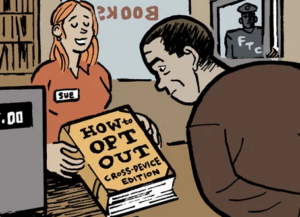
Why should establishing consumer trust be a differentiator – and wouldn’t it be great if that was just every company’s MO?

Many in the industry see Google’s fingerprinting reversal as an irresponsible move due to privacy concerns, particularly in regions with strict data regulations.

Why should browsers get to control publisher monetization? That’s the question the Tech Lab is aiming to answer with the release of an open-source framework for server-side ad management.

The curation debate is missing a critical piece: standardized reporting. Without it, curation risks leaving publishers in the dark about its actual value.

If we’re to leave behind the third-party cookie era, the rest of the ecosystem must reassert the role it plays in setting the agenda.
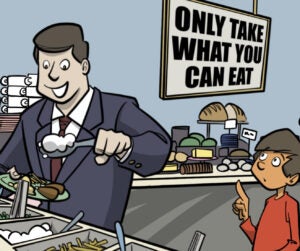
A concept known as data minimization – the practice of limiting data collection and retention to only what’s strictly necessary to achieve a specific purpose – is becoming a key tenet of privacy legislation around the world.

AdExchanger reached out to a number of major DSPs to gauge the current state of adoption of the IAB Tech Lab’s new video ad standard.
CTV transparency remains a flashpoint between advertisers who want it and broadcasters who won’t provide it. Our special guest, Jounce Media’s Chris Kane, weighs in. Plus, we examine a persistent issue in ad tech: the chronic mislabeling of instream video.

Meta and Mozilla’s new browser-based attribution system for web ads appears to solve an interesting math problem. But if applied to real-world advertising, it will increase privacy risks for users, writes Raptive’s Don Marti.