
Why 2025 Marked The End Of The Data Clean Room Era
A few years ago, “data clean rooms” were all the ad tech trades could talk about. Fast-forward to 2026, and maybe advertisers don’t need to know what a data clean room is after all.
A few years ago, “data clean rooms” were all the ad tech trades could talk about. Fast-forward to 2026, and maybe advertisers don’t need to know what a data clean room is after all.

WPP has bought InfoSum, a data clean room and collaboration startup. Terms of the deal, announced on Thursday, were not disclosed.

GDPR may not be perfect, but it forced European companies to adopt a privacy-by-default position. For US companies, this is a clear signal: Change is inevitable.

Forget ramping up. Maybe it’s time for the online advertising industry to ramp down. That’s the idea behind a guerrilla marketing campaign by InfoSum, timed to coincide with LiveRamp’s RampUp event in San Francisco this week.
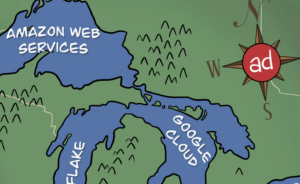
Ad tech is headed to the stratosphere. As in, on the way to becoming part of the cloud infrastructure technology.

But cookies aside – and don’t forget to leave a few real ones out for Santa – there were lots of other big privacy developments in 2024. Here are some of the highlights.
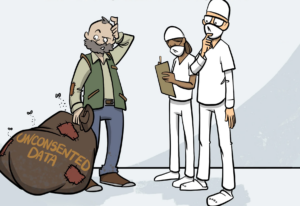
The Federal Trade Commission is warning companies that using a data clean room isn’t some kind of get-out-of-compliance-free card.
LiveRamp reported an unexpected boost to Q3 revenue, from $160 million last year to $185 million in 2024, during its quarterly call with investors on Wednesday.
The term “data clean room” has gotten co-opted. Plus, a useful one-pager on the new baseline standards for DTC marketing.

Remember back when Netflix was anti-advertising? Plus, CTV is still struggling with low programmatic fill rates.

Serial ad tech entrepreneur Kamakshi Sivaramakrishnan founded two startups roughly a decade apart, both for a similar reason: making data available across the enterprise in a way that’s also respectful of the consumer.

Enjoy this weekly comic strip from AdExchanger.com that highlights the digital advertising ecosystem …

SSP, meet PET. TrustX has been spun out of Digital Content Next and is now housed within a newly formed company called Symitri, which is developing privacy-enhancing technologies for programmatic advertising.

Curation’s shift to the sell side is giving DSPs less control over how advertisers curate audiences, which is creating new tensions in the programmatic ecosystem.

There are two paths to transforming your business to capitalize on first-party-data-based advertising: mergers and acquisitions, or making nonrecurring investments. Here are the pros and cons of each.

Is consolidation among clean rooms actually going to make things any cleaner when it comes to collaboration, accessibility and pricing?

Cookie loss is happening, even if it doesn’t feel imminent, and there’s no point in procrastinating, according to Sisi Zhang, chief data and analytics officer at Publicis-owned Razorfish.

It takes a publisher around six weeks on average to test and deploy a new identity solution, not to mention the maintenance they have to do over time. No wonder publishers are stressed out.

LiveRamp will acquire Habu for $200 million, further consolidating the data clean room tech category.

The deification of data clean rooms, the need for privacy compliance and this year’s generative AI explosion were just a few of the trends pushing businesses away from owning and maintaining their own servers and toward cloud-based tech infrastructure.

Given the deprecation of third-party cookies and the reemergence of contextual targeting, 2024 could be a big year for in-game ads – so long as game publishers position themselves as a source of premium inventory.

We’ve spent enough time and spilled more than enough ink this year talking and writing about Big Tech privacy fines, enforcement actions and the unutterably slow phaseout of third-party cookies in Chrome. So rather than rounding up the obvious online privacy trends of 2023, let’s dive into the weeds.

Snowflake has acquired Samooha, a startup that develops software to make clean room technology accessible to marketers who aren’t necessarily SQL wizards or data scientists.

AppsFlyer is building a marketplace so advertisers can share user-level data with third-party vendors without, well, actually sharing any user-level data with third-party vendors.

The aim of Samooha’s new integrations with Ads Data Hub and Amazon Marketing Cloud is to give more flexibility to the advertisers and publishers that use walled garden clean rooms.

While clean rooms do offer significant value in today’s privacy-first world of data, they are not the be-all and end-all for brands seeking controlled and reliable means of data collaboration.

Here are some key challenges preventing retail media from reaching its full potential, with some ideas for how to overcome them.

Clean rooms are dominating ad tech conversations, and the rise of connected TV has spurred clean room adoption to new levels because of inventory fragmentation.

Clear Channel Outdoor plugs into four clean room tech providers to help advertisers link their first-party data with out-of-home ad exposures and outcomes.

Paramount launches a clean room integration with Havas Media Group using LiveRamp’s data collaboration software. Because the software is cloud-based, it can plug into other related technology that clients may already be using.