


Supply-path optimization (SPO) conjures an image of supply- and demand-side platforms dueling it out to each render the other obsolete.
But it’s actually not that dramatic.
Publishers and buyers don’t need to nix as many intermediaries as possible – just a select few, said Amanda Martin, SVP of partnerships and business strategy at Mediavine, speaking at AdExchanger’s Programmatic IO conference in Las Vegas on Tuesday.
Martin joined Mediavine after a lengthy stint at ad agency Goodway Group, and her take on SPO changed drastically after switching to the sell side.
“On the buy side, I thought the fewer [partners] the better,” she said. “But on the sell side, you can’t have that broad of a stance. Just cutting partners doesn’t drive higher yield” for a publisher without a more precise strategy.

Taking inventory
Media companies and agencies take opposite approaches to SPO, but SSPs are absorbing many of the blows because they represent publishers, which is where the inventory is. Plus, SSPs are being commoditized.
Publishers need to figure out which of their SSP partners drive more incremental growth to a seller’s bottom line while keeping up CPMs. Then, sellers can cut the bottom of the barrel.
Buyers, on the other hand, need to figure out which SSPs have the most valuable inventory packages.
When all is said and done, the buyers and sellers using SPO most effectively will end up cutting between 20% to 30% of their intermediaries, said Mike Racic, president of Prebid.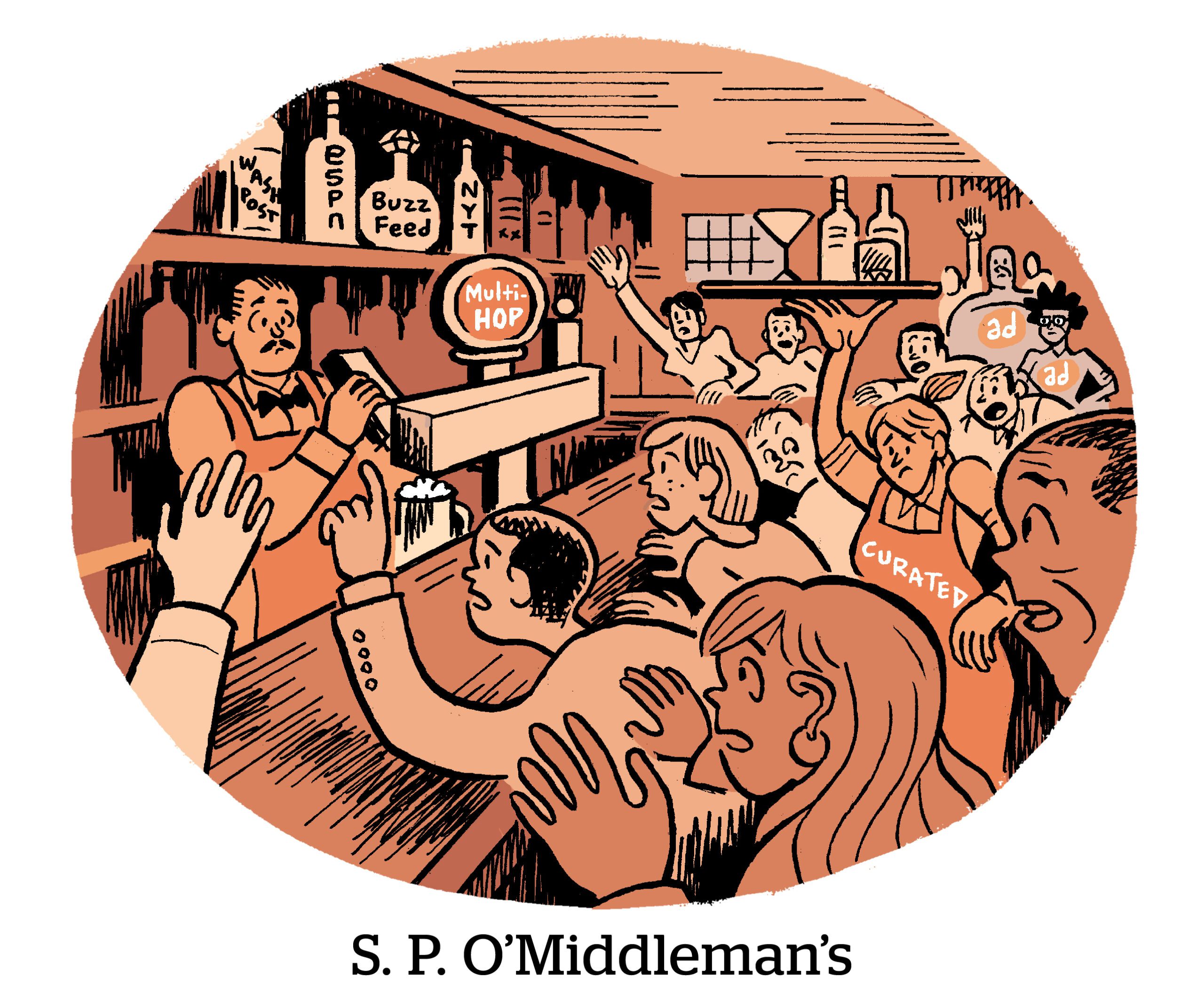
Choosing which partners to cut is easier said than done, though.
Publishers have long had a “set it and forget it” strategy of making inventory available in as many places as possible to chase higher CPMs and reach more demand sources, which is “still present,” Racic said.
But as many as half of the SSPs a publisher is using at any time may be “hurting bid prices” instead of driving better yield, he said. If the same SSPs are reselling repeat inventory to the same DSPs, prices go down. (Supply and demand, baby.)
The need to cut out repetition is only getting more urgent, as cost-cutting measures take over the ad industry.
Cutting corners
So, what does SPO look like in practice?
Mediavine, which represents publishers and helps them manage their ads, looks for SSPs that have more direct relationships with demand sources, as opposed to SSPs that just support higher volumes of supply. Most publishers are looking for the SSPs they work with to have access to actual demand, not just supply, so they can create inventory packages that appeal to particular buyers.
On the buyer front, IPG-owned Kinesso evaluates SSP partners every 12 to 18 months to determine which have more unique inventory packages. “As more ad dollars go programmatic, SSP offerings have to be more interesting,” said Jean Fitzpatrick, Kinesso’s SVP of addressable investment.
More scrutiny and pressure on SSPs overall is why they’re trying harder to stand out from the crowd.
Only five years ago, supply-side platforms were primarily prioritizing yield, not pushing uniqueness, Martin said. “Now, the bigger players are getting more creative to differentiate themselves,” she said, “which is why SPO is splashed all over news headlines.”
SPO is a “factor of efficiency,” she added, not necessarily consolidation.
Get SPO-wned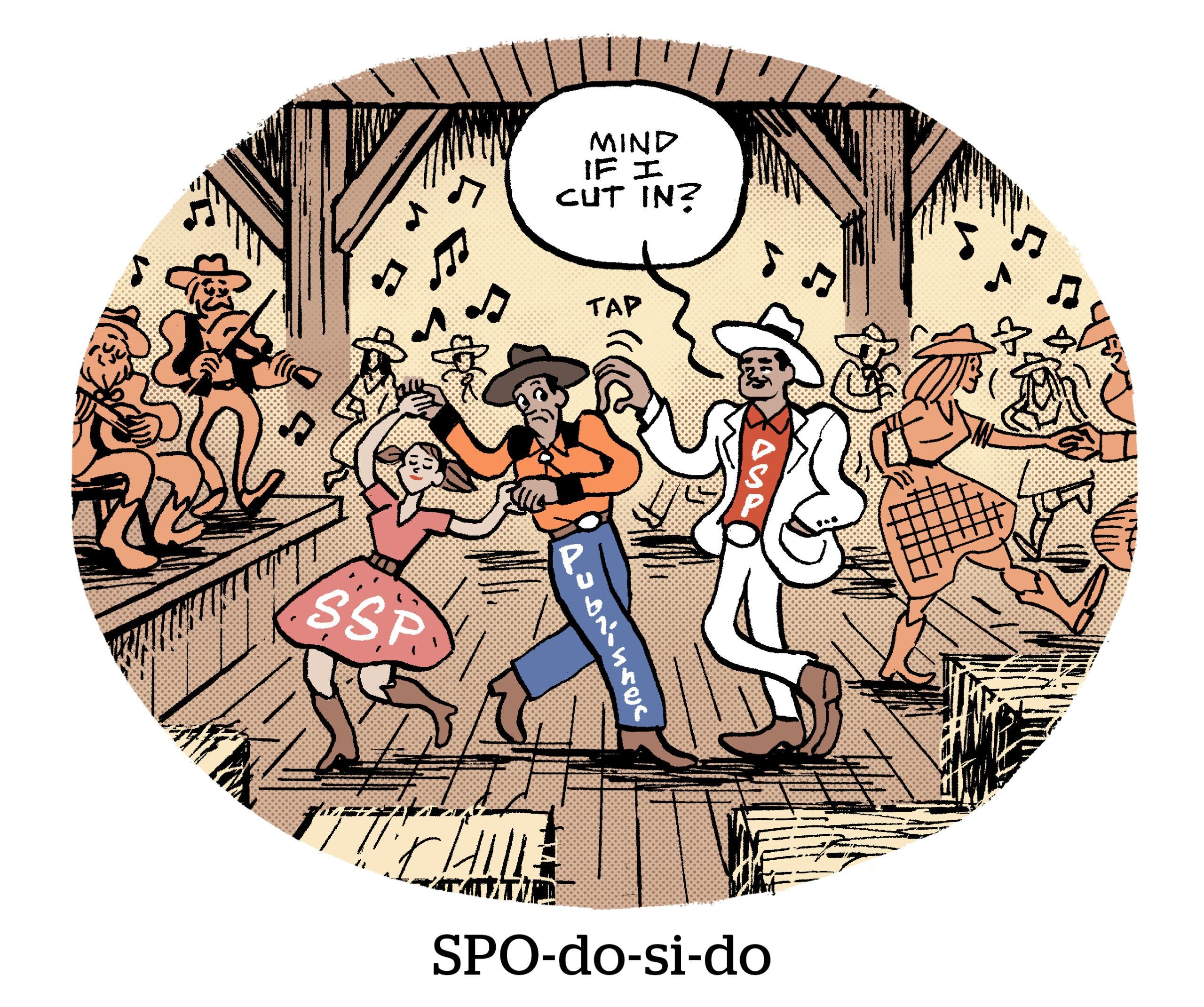
Still, although sellers and buyers appear to agree on the broader goal of SPO, it remains a bit of a sore subject.
Martin, who comes from the demand side, asserts that buyers have been “pushing SPO for years.” But Kinesso’s Fitzpatrick, who is also on the buy side, disagrees, insisting that SSPs invented SPO to compete among themselves.
Publishers and buyers see SPO as a means of boosting efficiency and trimming costs more than anything else. Pushing out tech partners is merely a byproduct of that process.
“The main purpose of SPO is not to cut out SSPs,” Prebid’s Racic said. “But that is what’s happening.”
Mediavine is using The Trade Desk’s OpenPath to get closer to demand, for example. And Magnite just rolled out a product in April that lets agencies buy video inventory directly, bypassing DSPs, followed by a similar move from PubMatic last week.
SSPs are now trying to impress publishers by disintermediating DSPs with more direct paths to demand.
But whichever way the winds blow, SPO will create winners and losers soon enough, Martin said.
“Time will tell how well the industry does supporting SPO for the [sake of] efficiency,” she said.








