Marketers have a lot to contend with in 2019.
Heads are spinning with thoughts of consumer-driven privacy concerns, different regulations in different regions, Apple blocking third-party tracking on Safari and how to buy TV in a world of digital delivery.
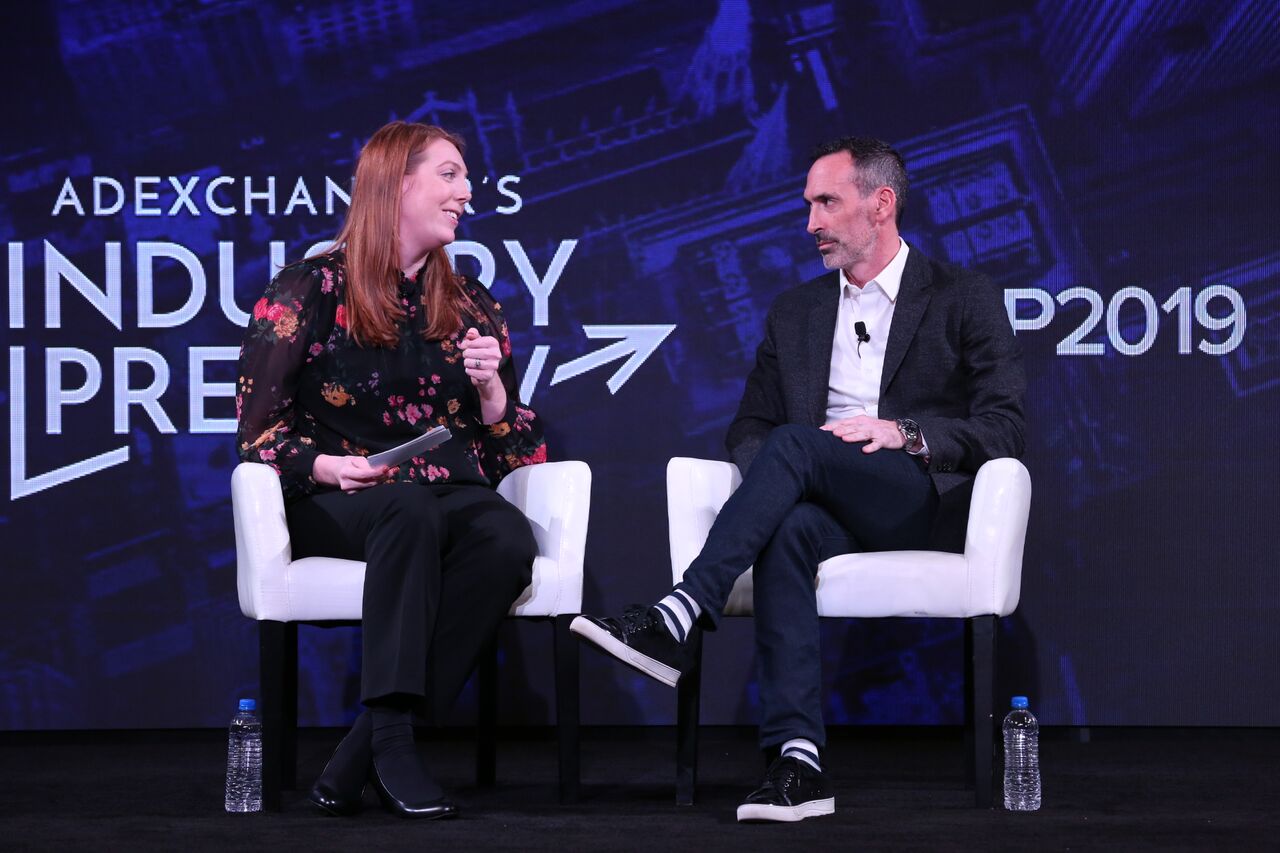
At AdExchanger’s Industry Preview conference Thursday, Google’s vice president of ad platforms Sean Downey considered what these changes mean and prescribed what marketers should do about them.
Privacy-first is the new normal.
“Many of the changes and regulations are consumer-driven.
“We’re all very aware of GDPR, and the importance of consent. But that’s just one piece impacting the ecosystem and it’s just one region.
“We all know about the California [Consumer] Privacy Act and similar things are happening in Brazil and India. It’s just the new normal.
“Then there are other things that technology companies need to do to protect users as well, outside of regulation, like the elimination of third-party cross-site cookie tracking.”

Google is, of course, appealing the €50 million fine levied by France’s data protection agency, Commission nationale de l’informatique et des libertés (CNIL).
“We spent a lot of time with regulators and we’re trying to incorporate true consent and true opt-in in all of our services, whether they’re Android services or advertising services. And we’ll continue to try to get better based on the feedback from the French agency. That said, we are concerned about what that impact has on ourselves, our technology partners, on advertisers and publishers and beyond.
“So, we do plan to appeal that decision.”
But exactly what a company needs to do in order to collect proper consent is still unclear.
“We went through a lot of work on how we get to consent. There are simple frameworks that exist. Right now, we’re appealing what they’re (CNIL) asking for. Ultimately, we want to respect whatever regulations are there, and we’ll try to figure out how to make that work in the environments that exist. But right now, it’s too soon to answer that.”
It’s not too soon, however, to talk about the fallout from Apple’s Intelligent Tracking Prevention (ITP), which has been severe.
“This was the number one talking point from all advertisers and agencies at CES – noisier than October [when Apple released a very difficult-to-track iPhone] because people were going through the results and seeing the impact.
“Programmatic is based on the ability to use third-party cookies to track and target. When that’s interrupted, there’s an impact to your results and how you do business. It’s a pretty substantial impact.
“We advertise a lot of hardware products we sell. When our marketing team goes after Safari users, they’ve seen upwards of 50% of their re-marketing lists go away overnight. And many other advertisers and agencies are seeing similar loss rates. The same thing happens in your conversion tracking. You lose about half of those conversions attributed.
“There are lots of down-the-line things they’re concerned about that impacts data-driven attribution, impacts cross-site conversion tracking and incrementality analyses.
“How people have built their measurement in the last five to ten years is interrupted.
“And publishers also face challenges. We’ve seen statistics from publishers where they get half the CPM value as a result of ITP’s impact. If they can’t have good targeting, some of their sites become less worthwhile for their advertisers.”
There are easy ITP workarounds, though.
“There are some simple solutions you can put into place that start to capture data. First and foremost, people are trying to make sure measurement works. A lot of people are starting to put first-party cookies on their site for measurement.
“L’Oréal saw that coming down the line. They implemented first-party site-wide tags structured for measurement a couple of years ago, and started leveraging cloud-based solutions that do data analysis. Simply putting in a first-party tag for measurement is a really good starting point.”
“Then, they’re pivoting toward understanding the value of their first-party data sets and the value of their consumer interactions that don’t rely on third-party cross-site tracking. And they put that next to strong publisher data to see if they can get a better match or better cohort site analysis.”
What about the in-housing trend? It’s making marketers smarter.
“Most marketers are after more transparency in how their data is used. They’re starting to take ownership of their technology contracts, whether it’s ad serving or analytics. Having that in-house helps them have better internal conversations about budget allocation and it’s easier to combine that with the first-party data in their own systems.
“That’s an important thing, because then you move to more advanced analytical frameworks, as opposed to buying strictly on a third-party cookie targeting environment. They can build smarter models using first-party data around clustering and propensity models to buy or to churn.”
Annnnd … in-housing also benefits Google’s Ads Data Hub.
“Many of these companies are advancing their data frameworks, and they’re more engaged in the Ads Data Hub environment. They’ve taken the time to understand what data assets they have. They’ve [also] taken the time to figure out what first-party assets they want to have, what they want to create and how to generate insight from Google in an aggregate way.
“Instead of looking at the user identification level, they’re thinking of cohorts, or influencer behavior – using that to generate strategies.”
Google also has a vision for TV: buying inventory holistically.
“When we do a deal with The Walt Disney Company, it lets us power their ad serving across all those platforms, whether it’s traditional television or desktop. It’ll eventually give the advertiser base the ability to do a holistic deal around the types of people they want to advertise against, the right shows and to be on the right platform.
“We work with over 30 broadcasters on how to create environments like that.”
Transcript has been edited and condensed.