
Meta’s decision to withdraw from the Media Rating Council’s brand-safety audits and its subsequent loss of accreditation have sparked important questions for advertisers that depend on transparency and accountability to protect their brands online.
When one of the world’s largest advertising platforms steps away from independent verification, it’s a reminder of how critical third-party accountability remains.

The “easy button” is no longer easy
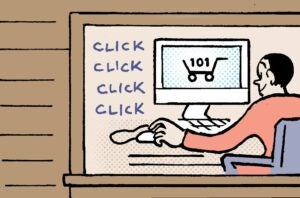
Marketers have poured billions into social video in recent years because it’s familiar, fast to activate and a light lift on creative. Especially for smaller brands, that’s key: You don’t need a polished 30-second spot to run on Facebook, YouTube or other platforms.
However, the original math that prompted these investments no longer works.
Social CPMs have risen. The ability to find incremental audiences on social platforms has declined. Add the growing brand-safety concerns, and the equation looks even worse.
According to IAB’s 2025 Digital Video Ad Spend report, U.S. social video spend overtook CTV spending in 2024 and is expected to hit $27.2 billion next year, again edging out CTV’s $26.6 billion. This equal prioritization among advertisers looks increasingly ill-advised. If performance is flattening while risk compounds, it’s time to question the easy button.
Programmatic CTV has changed the equation
For years, CTV felt out of reach for all but the biggest advertisers. The creative standards were high, access was limited, and entry costs were steep. But that has changed.
The rise of programmatic access has democratized CTV. Buyers who once relied solely on search and social now have self-serve access to premium, data-driven video environments with targeting, measurement and transparency. What was once an expensive, exclusive club is now a scaled, global marketplace that supports full-funnel objectives, without reliance on a single walled garden.
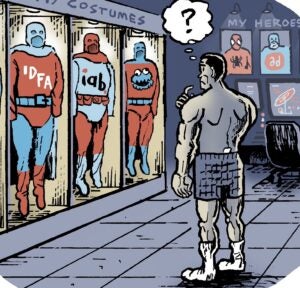
Crucially, CTV represents a brand-safe channel. Independent partners, from established verification leaders like IAS and DoubleVerify to emerging metadata innovators offering frame-by-frame contextual analysis, are working together to help buyers and publishers understand content more precisely.
That contextual nuance matters. News content doesn’t have to mean divisive punditry; it can mean a sports segment or a human-interest story, both of which might be entirely safe and valuable placements. With the right verification layers, advertisers no longer have to choose between reach and responsibility.
Not all social is the same, but accountability matters
This isn’t a blanket indictment of social media. Each platform plays a role in the consumer journey. Some are making real strides toward safer, more transparent ecosystems. But accountability requires openness.
Social environments that welcome independent verification, collaborate with third-party partners and proactively identify unsafe content are demonstrating they care about advertiser trust. Those that retreat from oversight are inviting scrutiny and prompting marketers to ask tougher questions. If a platform chooses to limit external verification, marketers should read that as a clear message and respond accordingly.
Social platforms that engage with the broader programmatic ecosystem can unlock new value. By allowing partners to apply advanced brand-safety protocols or metadata-driven analysis, they can clean up supply, surface overlooked quality inventory and attract incremental spend. The opportunity is there. But it begins with transparency.
The courage to course-correct
Many advertisers will stay the course out of habit. Social is cheap. It’s familiar. It fits the quarterly plan. But the path of least resistance is rarely the path to the best results. Without true incrementality, without confidence in the surrounding content and without independent measurement, every dollar spent in unsafe environments carries an invisible premium.
Marketers have more control than ever. They can demand accountability, diversify their investments and support environments that value brand safety and audience trust. The open web has given them the tools. The question is whether they’ll use them.
“Data-Driven Thinking” is written by members of the media community and contains fresh ideas on the digital revolution in media.
Follow PubMatic and AdExchanger on LinkedIn.
For more articles featuring Nicole Scaglione, click here.