A (Re)mixed Bag
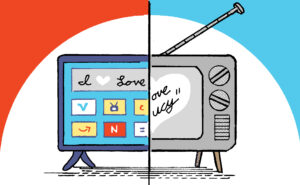
Last month, Google revamped YouTube’s Remix tool to include access to Gemini Omni so that users can now directly edit and remix existing creator videos. The tool allows them to “pull from existing templates, create music or generate new content from text,” Digiday reports.
The idea is that creators now have more control over (or at least, a better understanding of) how their content is being edited or clipped and reused, because the tool labels all remixed assets and links back to the original content.
One benefit is that “AI-assisted remixing could extend the lifespan and reach” of posts that otherwise might fizzle, says Jonathan Chanti, CEO and cofounder of Reign Maker Group.
But not everyone is sold.
Edits can change a video’s tone or render the content “virtually unrecognizable,” Digiday points out, thus harming a creator’s brand.
YouTube’s system also defaults to allowing AI edits, forcing creators to manually opt out for each individual video. Donatas Smailys, CEO of creator marketing platform Billo, didn’t mince words: “If you have to opt out to stop your content from being used, that’s not consent.”
Counterfeit Cup
The road to the 2026 FIFA World Cup has one unexpected winner: ticket scammers.
In the first 15 days after sales opened, FIFA received more than 150 million ticket requests, and cybercriminals are cashing in. These fraudsters flood the internet with convincing fake FIFA websites designed to steal money, credentials and personal information.
The FBI recently warned consumers about counterfeit sites mimicking FIFA’s official web presence, while cybersecurity firm Group-IB identified more than 4,300 fraudulent FIFA-related domains registered since August 2025.
Many scammers use social media ads to promote the sites, often with AI-generated creative and convincing-enough lookalike URLs to mimic official FIFA properties.
To prevent social scams, Meta is deploying AI systems to detect fake ticket ads and sites. Meta is also partnering with Visa and industry intelligence-sharing groups to disrupt the monetization engine behind the scammers.
But this isn’t just a World Cup problem. It’s a wake-up call for every platform and advertiser as AI makes it trivial to launch, scale and monetize fraudulent ad campaigns.
The Anthropic Who Cried Wolf
Talk about pulling up the ladder behind you.
Just a few days after Anthropic confidentially filed for its IPO, the company published a blog post on Thursday arguing that the industry is moving too quickly.
“We believe it would be good for the world to have the option to slow or temporarily pause frontier AI development,” the post argues.
Make no mistake, however: This is a marketing play that Anthropic has run before in regard to its own products.
Recall in February when CEO Dario Amodei said, “We don’t know if the models are conscious.” (For a salient rebuttal to the notion that AI systems can be conscious in the first place, please refer to Ted Chiang’s recent article for The Atlantic).
Meanwhile, in April, the company announced it would not release its Mythos model publicly because it considered the technology too powerful. (Anthropic changed its tune less than a month later.)
If Anthropic isn’t planning to monetize with ads, as other AI companies are, it will have to find other ways to bring in new customers once it goes public. Fearmongering is one way to do that – as is arguing that your competitors should be regulated before they can catch up.
But Wait! There’s More!
Investors aren’t picking sides in the OpenAI-Anthropic rivalry. [Wired]
What The Trade Desk’s investment strategy reveals about ad tech’s next era. [Ad Age]
Why agencies are betting on entertainment for their survival. [Digiday]
Tesco, Hilton and Hiscox are three of the big brands who’ll appear in ChatGPT ads as part of its UK launch. [Campaign]