AUTHOR ARCHIVE FOR:

Alyssa Boyle

Alyssa Boyle

Senior Editor

Alyssa Boyle ( alyssa@adexchanger.com ) covers the TV ecosystem from linear to video and connected TV. She also writes about measurement and data privacy. Her journalistic passions stem from a background in language and translation. She received her B.A. in linguistics and Korean studies from Binghamton University in 2020. When she isn’t writing, she’s probably deep in a history novel or busy performing stand-up comedy.
Articles By Alyssa

  • Beachfront And Canoe Are Paddling Programmatic Tools To TV Inventory

    Video SSP Beachfront and Canoe Ventures expanded their ad-serving partnership across several more programmers. The two companies integrated their tech stacks in 2019 so broadcasters or streamers that work with Canoe can channel inventory more effectively to Beachfront’s programmatic pipes. Now, six more programmers, including Kabillion, Afro TV and TV One, are using the integrated solution.

  • TV Buyers Demand More Transparent Measurement

    To plan, target and measure media buys on TV, advertisers need to resolve identity at the household level, which calls for full media transparency, said Kelly Metz, managing director of linear and advanced TV activation at Omnicom Media Group. Kelly Metz will be speaking about the future of TV measurement at AdExchanger’s Programmatic I/O conference on October 17-18 in New York City. Click here to register.

  • VideoAmp Adds In-Program Analysis To Its Measurement Toolkit

    VideoAmp released a tool that allows publishers and advertisers to compare audience viewership second by second throughout the duration of a program. The purpose is to help buyers target their ads more effectively. Advertisers have been demanding discrete program insights for targeting and measurement planning, Jonathan Bohm, VP of product at VideoAmp, tells AdExchanger.

  • Budweiser’s FIFA World Cup Sponsorship Is A First-Party Data Play

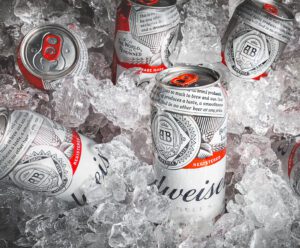
    Budweiser is bringing a first-party data approach to its FIFA World Cup sponsorship, a sign of shifting priorities for many marketers. Budweiser’s recent focus on direct-to-consumer marketing is part of a broader effort to generate more first-party data to power its marketing, said Todd Allen, Budweiser’s global VP of marketing.

  • How Nielsen Is Shifting From Panel- To Person-Based TV Measurement

    Roku became the second major CTV publisher to adopt Nielsen’s new ad deduplication tool for measuring its ads across linear and streaming video inventory, following YouTube this summer. The tool is designed to help programmers deduplicate audiences across linear and streaming by comparing reach across screens, Kim Gilberti, SVP of product management at Nielsen, told AdExchanger.

  • General Motors Has A New First-Party Data Map, Stopping First At NBCUnified

    Automotive marketers were among the first major advertisers for legacy television. Now, they’re ditching their age-old audience demos for first-party audience data like everyone else. General Motors is the first brand to adopt NBCUniversal’s first-party data platform, NBCUnified – but the integration is just one of many stops on GM’s first-party data road map.

  • The Chaos Of Privacy Compliance In The US

    The US data privacy landscape is chaotic. The future of the recently proposed American Data Privacy and Protection Act is now decidedly up in the air, and states are passing their own privacy laws in the absence of a federal one, which makes compliance complicated. Federal agencies like the FTC are also trying to fill the data privacy rulemaking void.

  • Reaching Hispanic Audiences On Streaming Calls For A Nuanced Approach

    Ad tech companies are being reincarnated as streaming services. But over-the-top (OTT) technology is a very different animal from digital. Programmers need to understand that there’s no easy button for monetizing their inventory, especially if they want to attract ad dollars from advertisers looking for specific multicultural audiences, says Isabel Rafferty Zavala, CEO of Canela Media.

  • Fintech Is Banking On Influencers For Brand Building

    It makes sense that brands in sexy verticals like fashion and hair care turn to social media influencers. But banking brands hire influencers, too. Kasasa, a fintech company that launched in 2003 to help local credit unions and community banks open more user accounts, ran a recent video campaign with a twist on the “shop local” trend featuring YouTube creator Trey Kennedy.

  • Comic: Time To Do Better

    How Programmatic Can Scale Buying On Diverse-Owned Media

    Group Black, a collective that represents 200 Black-owned media publishers, launched in 2021 with a mission to make Black-owned media easier to buy. Now, it’s partnering with Magnite to help scale Black-owned inventory by making more of it available programmatically.

  • A Hair Care Brand Is Brand Building On TikTok, 3 Billion Views At A Time

    Olaplex, which launched in 2014 making premium hair care products, was content growing its biz purely by word of mouth among stylists online. But when it started investing in paid media earlier this year, the brand turned to TikTok primarily for brand building rather than sales lift, said Chief Marketing Officer Charlotte Watson, who was hired in January as its first CMO.

  • Streaming Services Are Doing A Disservice To Hispanic Audiences

    Streaming has a Hispanic underrepresentation problem. Hispanic Americans account for nearly 20% of the US population, but Latino actors were cast in only 5.5% of the roles in digital programming during the 2019-2020 broadcast season. The representation gap is even wider in streaming TV than it is in broadcast, where Latino actors accounted for 6.3% of all roles.

  • RIP Broadcast TV? Legacy Broadcast Execs Say Not Just Yet

    At the Next TV Summit in New York City on Tuesday, legacy TV companies and the technology providers that serve them pushed back against an early eulogy for broadcast television. As old players reinvent themselves and new ones join the scene, TV distribution is coming full circle — broadcasters are focused on getting their network signals to stream on mobile devices and connected TV (CTV).

  • Why David’s Bridal Spends Half Its Social Budget On TikTok

    David’s Bridal has been selling dresses since the 1950s, but it didn’t say “yes” to a social advertising strategy until 2019. Now, the retailer allocates one third of its spend to social media – and half that budget goes to TikTok alone. Next on the agenda is live shopping, which David’s Bridal tested in August with its “First Annual NashBlast.”

  • TvScientific Bets On CTV As A Performance Channel

    CTV scales. But does it perform? Matthew Koontz started his career at Arnold Worldwide before moving on to lead ad product teams at Hulu, Snapchat, Microsoft and Xandr (before the two merged) and WideOrbit. Koontz joined tvScientific in June, and he spoke with AdExchanger about why CTV is a “sweet spot” for performance marketers.

  • Smartify Media Is Building A Retail Media Network For Bodegas

    Smartify Media launched in 2020 as a digital out-of-home platform to allow small businesses in Boston to share real-time updates with customers during the pandemic. Now, the company is trying to create a retail media network with small businesses nationwide, like bodegas and other mom-and-pop shops, through its Small Business Revenue+ program.

  • Why Invisalign Is Bracing Itself For The Metaverse

    Invisalign, which makes aligners and other alternatives to braces, launched its first marketing campaign in the metaverse in August. The purpose is to help Invisalign build brand awareness among a younger demographic, the same demo that spends a lot of its time playing games, said Kamal Bhandal, the brand’s VP of consumer and brand marketing.

  • Is Programmatic Making Linear TV Cool Again?

    Live television is back in style. And according to Magnite, there’s a surge in demand for linear addressable inventory from programmatic buyers. The net result is that SSPs are squeezing linear addressability into their tech stacks. Magnite, for one, ran a test campaign that points to programmatic addressable’s incremental reach potential.

  • Samsung Relaunches Samsung TV Plus, Placing Big Bets On FAST Channels

    Free, ad-supported TV (FAST) is the fastest-growing tier of streaming. To take advantage of the trend, Samsung relaunched its FAST platform, Samsung TV Plus, on Tuesday. The relaunch includes more channels from TV networks like A+E and AMC, more local news, and distribution across Samsung … smart fridges.

  • AdExplainer: The Digital Services Act Vs. The Digital Markets Act

    The European Parliament adopted the Digital Services Act (DSA) and the Digital Markets Act (DMA) in July. Although they were passed as one legislative package, they function as two distinct laws. But there is one common thread: Holding Big Tech providers more accountable for what happens on their platforms.

  • Why Fiverr Is Adding Linear TV To Its Media Mix

    Fiverr is a site that matchmakes freelancers with companies looking to meet immediate, one-off business needs. But now that remote work appears here to stay, Fiverr realized it needed new messaging to get large businesses to hire freelancers on a longer-term basis, said Matt Clunan, Fiverr’s global head of brand and digital. And Fiverr decided TV is the best way to branch out.

  • How Local News Is Coming To CTV

    Slapping a broadcast signal into an over-the-top stream is generally harder than it sounds. But streaming services need to have local news and sports, too. VUit, for one, helps broadcasters create and distribute FAST channels so they can get a leg up in CTV. As streaming platforms seek more content, VUit has been filling that gap. VUit channels tripled in viewership minutes in 2021.

  • Why The TV Industry Says Panels Are “In” Again

    Broadcasters have long been dissatisfied with Nielsen’s panel-based approach. But now, panels are making headlines again as a fresh way to measure streaming and TV consumption. But this time, the TV industry says it’s talking about “calibration panels,” not audience panels.

  • Video Startup Firework Claims Livestream Shopping Could Take Off In The US

    Livestream shopping is nowhere near as popular in the US as it is in China. In the US, live commerce is less than one percent of US ecommerce, whereas in China, it’s expected to make up nearly a quarter of the ecommerce market by 2023. Livestream shopping could work for platforms and brands in the US – but only if it’s done in the right place.

  • Tubi Is Betting On FAST Channels To Boost Viewership

    FAST channels are a good way to channel (pun intended) more viewers into VOD content libraries. Without sign-ins, payment or the burden of deciding what to watch, FAST channels have a lower barrier of entry, and ideally, viewers who find something new they like on FAST will continue watching the series more regularly in VOD.

  • How Happy V Is Changing The Narrative Of Women’s Health

    For women, finding health care treatment relating to sex is hard. But if you’re looking for “seggs,” that’s easy. DTC brands in the women’s health vertical are still stuck relying on algospeak to skirt around social platforms taking down their ads … As if marketing health care products and supplements for women wasn’t hard enough.

  • State Privacy Laws Will Spur Action Against Dark Patterns

    We’re about to see a lot more enforcement against dark patterns from the Federal Trade Commission and on a state level. Holding companies to account for using deceptive language that pushes people into sharing their data has largely fallen to the FTC, but now, US privacy laws are starting to mention dark patterns too.

  • Waze On Why Location-Based Ads Don’t Have To Be Creepy

    Waze, which was acquired by Google in 2013, now has 140 million monthly active users across the globe. Waze does serve ads based on real-time location, but the company refers to this as contextual because the ads are based on wherever a given device is in the moment, rather than any meaningful connections or patterns about a particular user.

  • Why ACR Data Could Be A Smart TV Move

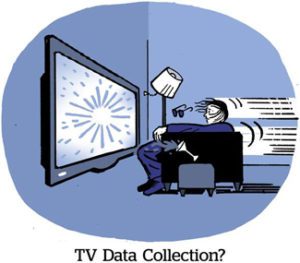
    Regardless of the ongoing debate as to the viability of panels, the TV measurement industry is starting to increasingly rely on automatic content recognition (ACR) data, especially as set-top box data becomes less available. But like any other form of data collection, it’s nicer if you ask first.

  • Ad-Supported Disney+ Coming Out In Time for Q4 Budgets

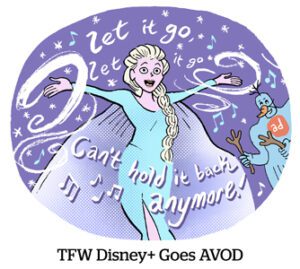
    Disney+ continues to lose money but gain subscribers. The service is adding an ad-supported tier in just four months, with a US launch date of December 8. Disney+ AVOD will be available for $7.99 a month, the same price as Hulu’s Basic plan, and the current price of Disney+ with no ads. Meaning, Disney will hike the price $3 a month for viewers who want to continue avoiding ads.

1 8 9 10 11 12 13 14 15 16 17 18 19 20