
Marketers endlessly talk about growth and ROI, but they leave potential on the table when they don’t fully measure key segments of their audience.
Nowhere is that disconnect more obvious than with Black, Hispanic and intersectional audiences, whose media habits and cultural influence far outstrip their place in most media plans.
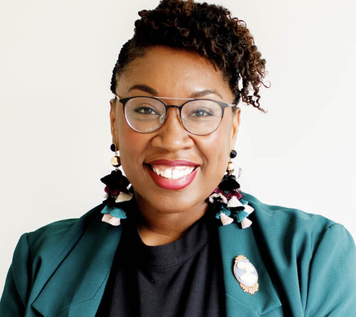
Black audiences, in particular, are clear about what resonates with them – and it’s not a mystery to anyone who’s listening, says Charlene Polite Corley, VP of inclusive insights at Nielsen, on this week’s episode of AdExchanger Talks.

“Everyone’s trying to win the war for attention, and Black audiences are literally saying, ‘I will pay more attention when you show up in this way, when I am at the center and represented authentically.’”
Earlier this year, Nielsen published its latest Black Diverse Intelligence Series report, an annual look at Black media habits and consumer trends that marketers can use as a guide for reaching and serving this audience.
And the numbers tell a story.
Black audiences are the most likely cohort to be very interested in five or more sports – and 82% of Black Olympics fans say they make a point of watching major events live, which is nearly 30 points higher than the total population.
But there’s more to that insight than sheer reach, Polite Corley says. It’s about appointment viewing and real-time cultural influence. The Black audience is not only watching live on the main screen but following along and engaging via social media.
“So, we’re not just driving the delivery of viewership to some of these huge cultural moments,” Polite Corley says. “[We’re] also driving the conversation around what happens more broadly in culture.”
And this dynamic isn’t limited to sports. Seventy percent of Black consumers say they’ll stop buying from brands they perceive as devaluing their community, and another 63% expect brands to support the causes they care about.
In other words, this is an audience that not only shows up but holds brands accountable for how they show up.
Inclusive measurement isn’t a nice-to-have; it’s an important part of any risk management and growth strategy. Because, as Polite Corley points out, most management is about managing risk, and overlooking inclusive data is a risk in its own right.
“Just because we show up,” she says, “does not mean that we are sold.”
Also in this episode: How AI can quietly amplify bad assumptions baked into data, the real-world economic impact of cultural moments (like Bad Bunny’s recent Super Bowl halftime show) and one assumption about Black consumers that marketers really need to retire.