

Roku continues to chase programmatic demand.
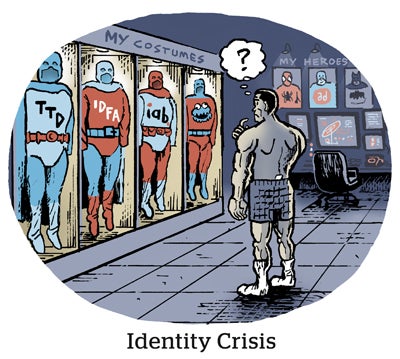
Roku announced an integration with The Trade Desk’s UID 2.0 identifier to attract new buyers and “increase monetization per account” by improving ad targeting, said Roku CEO Anthony Wood during the company’s earnings call Thursday.
Roku’s total revenue last quarter grew 14% year over year to $968 million, while platform revenue, which includes ad sales and streaming distribution, grew 11% YOY to $824 million. But average revenue per user, a key indicator of streaming profitability, was flat YOY at $40.68. Roku’s ARPU is flat because it’s growing its international account base while some of its ad monetization efforts are still in early stages, Wood said.

Roku has recently been integrating with more demand-side platforms while trying to monetize its home screen with new ad placements for brands of all verticals, not just media and entertainment. Both efforts are a way to reach new demand, Wood said.
UID2, he said, is the next step in Roku’s streaming monetization strategy.
Roku tries UID2
And the UID2 integration comes at a strategic point in Roku’s growth in scale now that Roku has started making its own smart TVs.
Roku first started manufacturing its own line of TV devices in 2023, and it announced a new model earlier this year. Roku didn’t disclose how many new TV devices it has sold, but revenue from device sales (which include smart remotes) spiked 39% YOY in Q2. Typically, smart TV makers with an ads business don’t see double-digit increases in their hardware sales growth (or any increase at all, for that matter). But for Roku, this jump was “driven by the expansion of retail distribution of Roku-branded TVs,” said CFO Dan Jedda during Thursday’s earnings call.
Roku added 2 million household accounts last quarter, bringing its total to 83.6 million. And advertisers can match these Roku accounts with UID2 identifiers to target their audience on Roku.
By adding UID2, Roku advertisers will be able to “achieve more precise targeting,” said Charlie Collier, president of Roku Media. And Roku advertisers who want to use UID2 can use the Roku Exchange, a more direct, data-enriched path between Roku supply and programmatic demand launched in June. Roku Exchange is integrated with an array of DSPs, including The Trade Desk.
Roku’s new integration with The Trade Desk is only a couple of months old, Collier said, but “we’re pleased with the progress and we think this will continue to drive demand [to Roku].”









