Xumo Gets Direct With The Trade Desk
Supply-path optimization may not be the trendiest three-letter acronym in ad tech anymore, but the SPO trend is still playing out – especially in the CTV category.
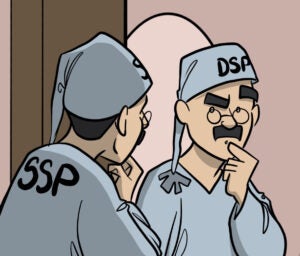
The generative AI trend generated endless hot takes this year, but the ad industry also had plenty to say about growing competition between DSPs and SSPs. Here are AdExchanger’s top 10 most popular guest columns of 2025 and why they resonated.
To get to the heart of the TID debate, you have to understand the definition of a healthy marketplace and how our tendency to limit transparency for the other side of the supply chain is holding us back.
GAM’s dinner with ad agencies sparked speculation that Google is preparing to spin off its bundled SSP and ad server as a remedy to its ad tech monopoly. But Google says it’s just part of the trend of SSPs going direct to buyers.
In an era marked by generative AI, algorithmic optimization and an obsession with outcomes, cloud infrastructure has become a competitive differentiator.
PubMatic’s new AI curation features are helping it forge closer relationships with ad agencies like GroupM that are ramping up their use of AI.
The era of fragmented, adversarial ad tech is winding down. A new paradigm is emerging defined by AI-first, end-to-end platforms and collaboration among buyers and sellers.
After adopting OpenPath, Freestar pubs now see 3x higher inventory fill rate from The Trade Desk demand and 27% higher programmatic revenue from these buyers.
Warner Bros. Discovery officially launched OpenPath last week, with the goal of driving demand for its news sites’ display inventory. But for now, CTV is not part of the integration.
Based on the way advertisers deal with publishers, you’d think they were sworn enemies. Our failure to prioritize collaboration on the open web and build a positive value chain has been our collective downfall.
On Tuesday, mobile video ad platform LoopMe bought mobile monetization platform Chartboost from mobile game publisher Zynga. That’s a lot of mobile. But with more scale and direct connections to app publishers, said LoopMe CEO Stephen Upstone, “more brand dollars are going to move into the app environment.”
Publishers expect the agencies will eliminate tech redundancies as they consolidate, which could compel pubs to shed redundant tech themselves. The merger could also entrench principal-based buying, which may not be a bad thing.
Curation is a reaction to programmatic’s worsening queries-per-second problem, says Permutive’s Joe Root. DSPs are biased toward impressions that have an identifier attached, so SSPs are using curated deal IDs as a stand-in for third-party cookies.
Political ad strategies evolved quickly this year, as campaigns moved beyond exclusivity, focusing on flexibility and reach. Here’s what this cycle taught us and how it will guide our business in the medium term.
Open programmatic ad spend has only grown 3% since 2021, according to Wolfe Research – but there’s hope for the open internet.
The SSP revised its full year outlook down by $10 million, due to a DSP partner adopting first-price auctions and weakness in key ad verticals. But it highlighted mobile in-app as a new key revenue stream.
Equativ (formerly known as Smart AdServer) announced its acquisition of Sharethrough, an SSP with a specialty in native advertising.
Here’s today’s AdExchanger.com news round-up… Want it by email? Sign up here. The Path Less Traveled We all know what supply-path optimization (SPO) means and why it’s useful. Except, wait, what does SPO mean? “‘SPO’ – perhaps already a bigger buzzword than MFA. Every definition of SPO is different,” tweets Jud Spencer, engineering leader at The […]
Since launch, 82% of advertisers that buy inventory through the Yahoo DSP have tried Backstage at least once. And buyers are seeing lower CPMs from cutting out SSPs.
Programmers are using their Q1 earnings reports as a dress rehearsal for their upfront pitches. Meanwhile, programmatic platforms, including Magnite and PubMatic, also had upfronts in mind during their Q1 earnings.
For Magnite, the biggest growth opportunity lies in supply-path optimization. The trade-off is the pressure to differentiate itself from other supply-side platforms competing for agency deals.
PubMatic has its supply-path optimization initiative, its strategy to introduce direct deals for CTV and online video, to thank for its quarterly revenue growth.
The IAB projects digital video ad spend will rise to $63 billion in 2024, representing a 16% increase from last year. Of the three video ad categories the report breaks out (social and online video and CTV), the clear winner is social video.
TV inventory shrinks as supply paths proliferate. To help organize the chaos, video ad server Innovid launched a new SPO product called Harmony Direct to give media buyers the shortest path possible to CTV ad supply.
Third-party cookie deprecation creates an opportunity for publishers to increase inventory value, efficiency and partnerships in the open exchange. Here are some efficiency initiatives that should make your inventory more valuable to advertisers.
Advertisers are turning the spigot back on. And PubMatic’s investments are paying off. The SSP reported 14% year over year revenue growth in Q4, powered by 9% growth in display.
On Thursday, TEGNA-owned CTV ad platform Premion announced the acquisition of Octillion Media, a DSP launched in 2019 to serve local CTV ad buyers. Premion declined to disclose the terms of the deal.
Since advertisers now treat connected TV more like a digital performance channel, expect programmatic CTV demand to keep ramping up – including in the open exchange.
2023 saw SPO become further cemented in the strategies of DSPs and SSPs for capturing market share. But the long-term trend might see SPO become the default for programmatic advertisers.
In 2023, supply-path optimization took off, brands took their scalpels to made-for-advertising websites and DSPs and SSPs launched SPO products to cut down on hops. Plus: lessons from the year in data privacy.