Google’s Move Toward Attention Metrics Could Be A Viewability Killer, Says Jaguar Land Rover
Google’s DV360 adding attention as optimization signal could finally help wean buyers and platforms off bidding on ad inventory based on viewability.
AirBNB considers introducing ads (just not right now); antitrust enforcement is about more than shrinking Big Tech; and broadcasters want to get the ball rolling on sports again.
The CFPB backtracks on plans to bar data brokers from selling financial data; Jamie Lee Curtis takes on Mark Zuckerberg over fake AI ads; and Gas Station TV drives traffic to Applebee’s.
Short-form video, infinite scrolling and hyper-targeted algorithms aren’t neutral mediums. They shape, and often compromise, the attention they harvest, creating compulsive habits that warrant serious reflection.
WPP’s GroupM is getting a new name; there’s no such thing as a TikTok ban at NewFronts; and Meta’s ad growth prospects might be plateauing.
LinkedIn launches a creator rev share program; AdSense comes to third-party AI chatbots; and the verdict in Apple v. Epic Games cracks down on Apple’s App Store fees.
Meta teased new ad optimization offerings as it touted solid Q1 results. It also hyped its AI agents and its launch of a standalone AI app, while hinting at monetization opportunities.
Transparency has become the currency of credibility in advertising. Larger holding companies and black box AI platforms must recognize that their opaque practices are no longer sustainable.
Shopify checkout might be coming to ChatGPT; private equity builds a French ad tech stack; and how Meta turning off news in Canada is affecting news access ahead of this month’s election.
Monday was a busy day for antitrust attorneys in Washington, DC: It marked Day One of the the remedies phase of the Google search trial and the start of the second week of FTC v. Meta.
What does the end of impulse shopping mean for advertising? Plus, Remember Google+? Meta sure hopes you don’t.
Earlier this year, Pinterest conducted reviews of five potential ad tech acquisitions. Plus, what do LLMs think is the best retail media tech for retailers, and why?
Do Google AI Overviews really bring exposure to more websites?; Meta considered an all-ad Instagram feed; and agencies are cautiously optimistic even as tariff concerns threaten upfronts season.
It’s important to have frank discussions with clients, explaining the need and value of brand safety. That way, marketers can make an educated decision on whether they truly need to pay for it.
Temu’s US ad spend grinds to a halt; Publicis posts a strong Q1; and creative personalization tech is back in vogue.
Many well-intentioned advertising standards efforts gather digital dust thanks to industry politics and competing interests. Here’s how the industry can stop sabotaging its own progress.
Google maintains its AI overviews are a boon for web traffic. Plus, there’s more than one way to combat fake reviews.
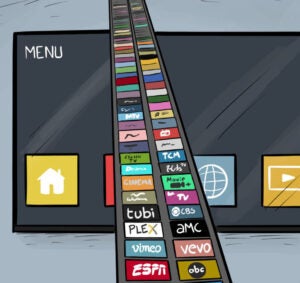
CTV advertising has made great strides, but it still lags behind social platforms in one critical area: optimizing campaigns based on outcome data. Here’s how standardized conversion API integrations for CTV can help.
Forecasters expected tariffs would impact advertising growth projections. But that was before we knew exactly how steep these tariffs would be – and now that we do, it doesn’t bode well.
Meta introduces new ad placements, promo opportunities and AI prompts; an influencer campaign prompts right-wing influencers to oppose RFK Jr.’s soda crackdown; and transcription platform Otter launches an AI assistant.
What’s next after launching a retail media network? Becoming a social ad network, apparently.
AI-equipped consumer products keep failing; why the newsletter boom might be nothing but spam; and retaliatory tariffs hit America where it hurts.
Based on the way advertisers deal with publishers, you’d think they were sworn enemies. Our failure to prioritize collaboration on the open web and build a positive value chain has been our collective downfall.
Amazon’s ad tech ambitions are crowding out Amazon specialists; EU regulators have concerns about Apple ATT; and Google says breaking it up could threaten national security.
GDPR may not be perfect, but it forced European companies to adopt a privacy-by-default position. For US companies, this is a clear signal: Change is inevitable.
T-Mobile may be considering an acquisition in the mobile data market; Google’s glitch shuts down ads for a weekend; and ad tech’s old guard is salivating over AI startups.
Naming a new product “Business AI” feels a bit on the nose for Meta’s current artificial intelligence efforts. But in this case, it’s certainly applicable.
To solve ad tech’s intractable problems, there’s a solution that the advertising industry could borrow from the hacker world: bug bounties.
YouTube is adding a new tier with a “light” ad load. Plus, remember Facebook?
More dollars are flowing through the Amazon ads machine. Plus, are advertisers coming back to X out of fear of the Trump administration?