
The DIY Agency; YouTube’s Dynamic Change
WPP puts AI tools in the hands of brands; YouTube’s dynamic sponsored segments could redefine creator monetization; and Hollywood is getting into “microdramas.”
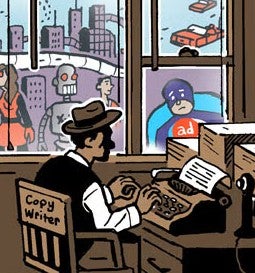
WPP puts AI tools in the hands of brands; YouTube’s dynamic sponsored segments could redefine creator monetization; and Hollywood is getting into “microdramas.”
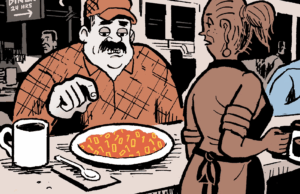
Hightouch’s new ID Express solution aims to simplify the process of converting email addresses and phone numbers into UID2s.
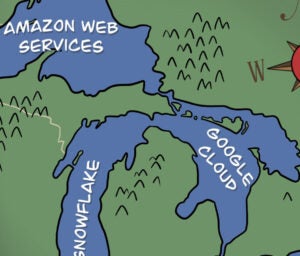
AWS RTB Fabric offers ad tech platforms more streamlined integrations with ecosystem and infrastructure partners, allegedly lower latency compared to the public internet and discounts on data transfers.

Reddit sues four companies for scraping and selling (and buying) its data; Unity Software’s new zero-fee product is good news for mobile developers; and brands aren’t thrilled by TikTok shop’s latest updates.

Apparently, we’re in for a hardware revolution; advertisers don’t know what to expect from the US’s new version of TikTok; and live sports should take better advantage of ad opportunities.

Walmart’s AI shopping deal with ChatGPT might ding its retail media biz; the MRC shares updates on which platforms won and lost accreditation; and kids’ sports streaming is becoming a real media channel.

TTD shared new details about OpenAds features that let publishers see for themselves whether it’s running a fair auction. But tension between TTD and Prebid hung over the event.
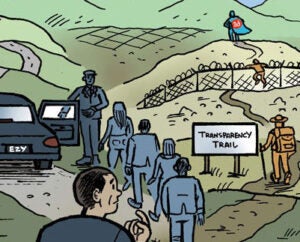
Publicis celebrates as its growth aligns with the IAB’s downgraded ad spend projection; Spotify and Netflix partner to chase YouTube’s video podcast biz; and how investor cash keeps health data safe from advertisers.

The fate of the open web will be decided on who controls the data that drives monetization and the AI that determines distribution. Google controls both, and proposed remedies to its ad tech monopoly do not address this imbalance.

The layoffs reflect a strategic decision on People Inc.’s part to free up money to invest in growth areas, according to CEO Neil Vogel’s memo to employees.
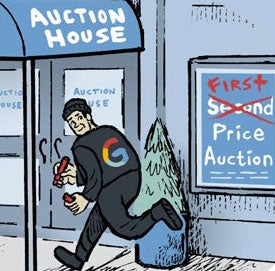
Ask advertisers, not Meta, how best to use Meta’s ad platform; holdcos and big brands are pressuring Big Tech to self-regulate; and how data-driven animal husbandry is impacting marketing.

Publishers must coalesce to gain a credible bargaining position and stop the bleeding caused by AI search. From there, we must put the processes in place to actually operate a licensing mechanism.

ChatGPT and others continued the fragmentation of the search journey, which today hops between platforms and intents. The funnel no longer exists. Here’s how to pivot your brand’s SEO/GEO strategy.

HUMAN has recently started complementing its bid request analysis by analyzing the time between when a bot clicks an ad and when the landing page loads. Now it’s offering the solution to individual advertisers.

TTD says OpenAds is not just a reaction to Prebid’s TID change, but a new model for fairer, more transparent ad auctions. So what does the DSP need to do to get publishers to adopt its new auction wrapper?

The Trade Desk insists its OS is still coming; TikTok Shop is becoming a grocery store; and for AI studios, bad press is still press.

The number and scope of U.S. laws that require advertisers to disclose the use of AI are limited. But there are some restrictions and guidelines that advertisers must follow to ensure their compliance.
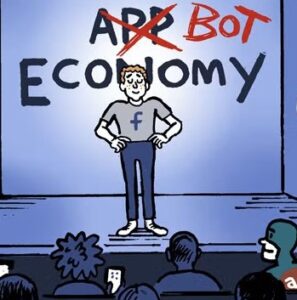
Mastercard launched an ad network; Meta plans to sell targeted ads based on engagement with its AI products; and the Washington Post is in trouble if Ad Chief Johanna Mayer-Jones departs.

Delivery apps are launching social networks now; Google is the latest Big Tech company to write a huge check to Trump; and ad agencies of all sizes apparently aren’t big enough.
Marketing films is one battle after another; AI gets stymied by the cloud; and bots are causing brand backlash.
Where the DOJ v. Google ad tech antitrust trial stands after one week’s worth of remedies arguments.

Swish, a startup that partners with retailers to provide product full-size CPG samples to people doing their grocery shopping online, announces $2.3 million in seed funding.

YouTube backpedals on banning COVID and political misinfo; Tylenol pushes back against Trump’s claims that it causes autism; and Disney doubles down on linear TV and raises Disney+ prices after its Kimmel boycott threat.

Long-time ad tech exec Jeffrey Hirsch takes the reins of QuantumPath, a media-buying platform that uses AI to help with planning and campaign creation.

The Google trial remedy phase is about to begin; not all of YouTube’s AI plans are hitting; and The Trade Desk’s Kokai pitch decks leave something to be desired.

Pinterest’s CEO doesn’t want Google divested; most consumer spending comes from the rich; and the “Sephora kids” aren’t alright.

Meta’s sparse settlement payout ends the Cambridge Analytica scandal with a whimper; Google brings dynamic host-read ads to YouTube; and HUMAN uncovers IVT hiding in mobile app downloads.

On Tuesday, Amazon DSP announced an expanded integration with satellite radio company SiriusXM.
Another day, another Google lawsuit; AI can’t be held accountable for its crimes; and the US and China have (maybe) reached a TikTok deal.

Meta is rolling out Reels trending ads, value rules beyond just conversions, upgrades to Threads and pixel-free landing page optimization.

Inside how Jones Road Beauty is trying to turn messy, conflicting measurement signals into a single testing roadmap for its media mix.

IAPP’s Global Summit in DC was a reminder that AI is moving fast – and judges, privacy lawyers and practitioner are racing to keep up.
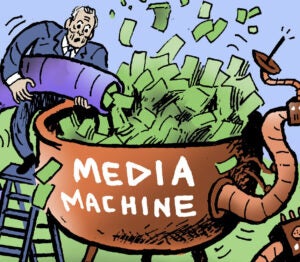
An upcoming paper from CIMM doesn’t just demonstrate that differences in media quality can be measured. It also argues that tying media value to short-term outcomes has perpetuated longstanding industry challenges.

Not unlike last year, the mood during TikTok’s NewFronts presentation last week felt like cautious optimism, if not outright relief.

Can a good sales presentation offset the impact of a very bad news week? That’s a question for Meta, which collected two guilty verdicts in court this week for failing to protect children and creating additive products.

Meet Clamor, a new social listening product that pulls cultural insights from online conversations in real time. Clamor helped Manscaped freshen up its marketing, including for this year’s Super Bowl.