 Since buying supply side platform Admeld last year, Google has rolled out tools and features designed to appeal to publishers who want to make programmatic work for them, without sacrificing their core direct sales offerings.
The company’s pitch is that RTB buyers and sellers don’t have to give up the all-too-human process of negotiating on price, or on the idea of guaranteed placements.
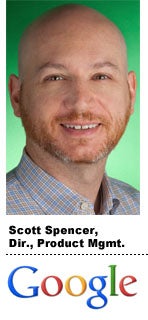
“We realize that programmatic is getting a lot of attention right now,” said Scott Spencer, Google’s director of product management, in an interview with AdExchanger. “But fundamentally, we look at the things from the publisher’s wider perspective. With that as the starting point, programmatic is critical, but it is only one of the elements that matter to a publisher, and you have to look at programmatic and direct sales together to be able to come up with a comprehensive solution.”

This “comprehensive solution” has been on Google’s mind since it formally linked AdWords to DoubleClick and launched its ad exchange over three years ago, predating the acquisition of DSP Invite Media (currently known as Google Bid Manager). When Google first built out the DoubleClick Exchange, it had already begun to address publishers’ wariness by promising “dynamic allocation.” This “risk-free, no-lose” offering allowed them to automatically place ads on the exchange. Then if a buyer on the exchange could beat the currently booked price, the ad went to highest bidder. That’s still the animating idea behind Google’s belief that it can offer publishers real-time cake and let them eat it too (even later).
“Rather than being open competition or no competition, publishers can look at things from the perspective of ‘What do I have to sell?’” Spencer said. “They can look at things from a perspective of what they’ve sold, and if that’s not a guarantee that they absolutely have to meet for immediate business reasons, then they can let that compete with the programmatic channel. At that point, they can determine whichever one will give them the highest net revenue. That’s a riskless way for a publisher to balance direct and indirect.”
In keeping with that concept of preserving what it might concede are the positive aspects of traditional ad sales, Google’s other big idea of the moment is “preferred deals,” which looks to bring pricing and placement discussions out of the Mad Men era of deal-making over a martini lunch and onto the desktop.
In a Google “preferred deal,” a buyer and seller decide to negotiate. They then agree on a price through Google’s AdX. The buyer will use the programmatic pipes to take only the inventory they want at that established price.
“That’s a much more elegant pass-back solution than would have been available to either party historically,” Spencer said. “The advertiser gets the ROI and efficiency from that situation because they only buy the inventory they specifically want, while the publisher gets the guaranteed price and a seamless integration into their direct sales.”
This all sounds well and good for publishers who want to hedge their bets with RTB and programmatic. But what about the over-arching goals of matching “premium” placements with brand ad dollars? Spencer points to rich media ads like its recently released Lightbox ad unit, which is essentially a standard banner that expands into a larger canvas takeover ad. The big difference, however, is that marketers only pay for ads that get a user to hover their cursor over the spot, all the while claiming to solve the inevitable question about “mistaken” rollovers.
Spencer also pointed to YouTube’s TrueView in-stream, which allows users to skip ads that don’t interest them. These ads are also available on publishers’ videos in its AdX. To Google, these kinds of units create an “immersive” experience that reward both higher creativity and smarter audience targeting. That, plus the idea of offering a smoother space for automating the negotiating process between buyer and seller is what will strengthen its pitches, to both sellers and buyers, to include programmatic as a major choice in a larger set media sales options.
“The normal way of doing ad deals was a kind of futures market,” Spencer said. “Programmatic brought the spot market. I see them as compatible and complementary. Google allows reserve-based buys through our network. We will guarantee you as an advertiser that you will hit a certain number of impressions and we take the risk of buying the inventory through the auction to get the CPMs necessary for the buyer. We can imagine great combinations of reservations with programmatic in the future.”