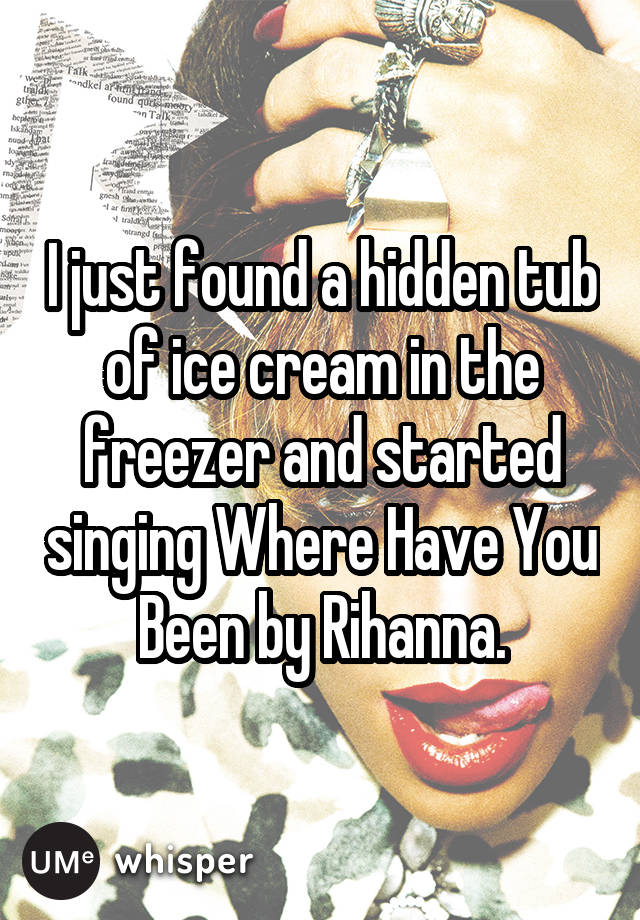
 Whisper, an app that lets its anonymous users post what’s on their mind, is still going strong after five years – even after other secret-sharing social apps like Yik Yak have closed shop.
One reason for its longevity is that it is making money through programmatic advertising. Demand partners include Google, Facebook, Yahoo, AOL, OpenX and Sovrn.
 “As a company, we only started monetizing in earnest in Q3 of last year,” said Jay Rockman, Whisper’s VP of business development. “It’s still early, but we’re encouraged by what we’re seeing from a revenue perspective.”
Although programmatic revenue is stable and recurring, Whisper’s secret sauce is brand and publisher partnerships with the likes of Dove, HBO, Hulu, MTV, Universal, Netflix and Tronc.
On the face of it, the content being created by Whisper’s more than 30 million users isn’t exactly what you’d call brand-safe. The app allows users to share anonymous meme-style confessions, like “I lost my virginity to my dad’s best friend” or “Never thought I’d be made fun of for being uncircumcised.”
Dicey. But Whisper’s pitch to brands? Access to authentic content in a native format.
“We’re letting them sponsor conversations not happening anywhere else on the web,” Rockman said.
Long before Google’s brand-safety headache began thrumming in earnest a couple of months ago, Whisper was messing around with deep learning to try to handle moderation at scale. A proprietary tool dubbed the Arbiter processes every piece of content before it gets surfaced in the app.
It’s not perfect. Arbiter is able to make decisions on about 70% of content flowing through Whisper. Anything questionable is flagged for manual review by a human.

In March, Whisper rolled out a widget that lets publishers automatically integrate contextually relevant Whispers into their articles and posts. Whisper’s homegrown artificial intelligence tool called Eliot (because all AI tech seems to need a first name) analyzes the article’s tone and related topics, people and places mentioned in order to make its recommendations. Publishers access the tool on a rev-share basis.
On the buy side, advertisers can pay to place promoted questions that appear in a user’s Whisper feed or purchase keywords that present branded backgrounds to users based on their searches. Neither product is available programmatically.
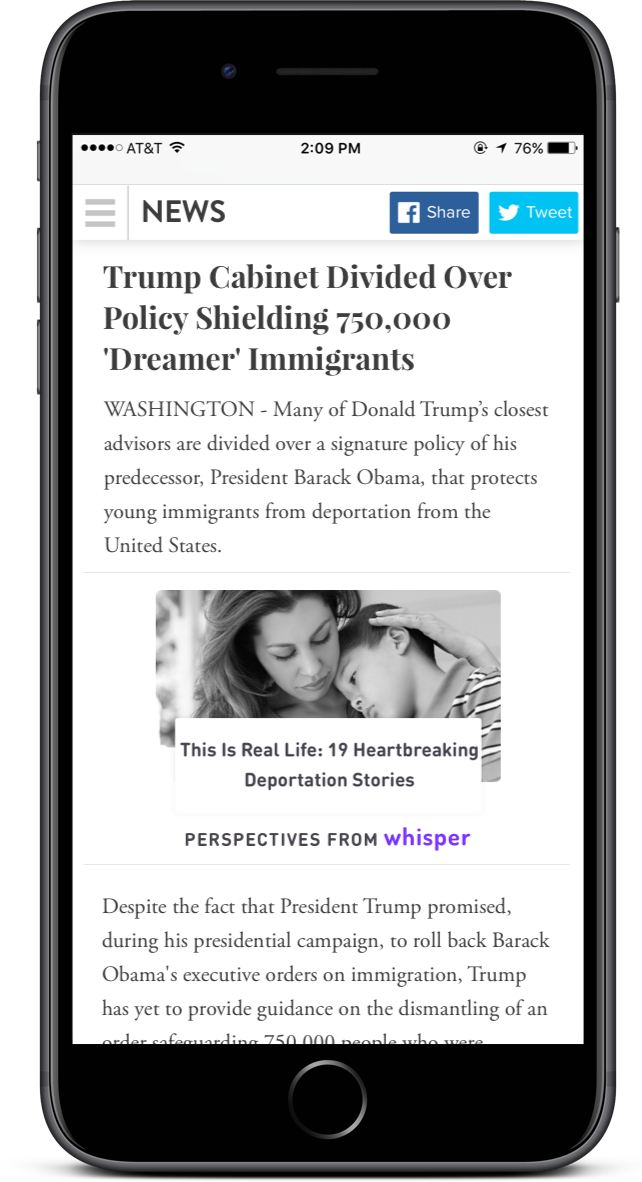 Dove, for example, recently sponsored Whisper conversations related to searches for “hair,” “shampoo,” “haircut” and the like for its “Love Your Hair” campaign. Universal Music did something similar to promote its artists around Valentine’s Day.
Demographic targeting is limited to the basics (age, gender, location), but that’s not Whisper’s real value prop, Rockman said.
“Brands can target products at the point of relevance rather than pushing their advertising out there into the void,” he said. “They’re inserting themselves into the conversation that’s happening around a topic they want to be aligned with.”
Based on Millward Brown brand studies, consumers exposed to Whisper campaign show an 8% average uptick in purchase intent and an 18% increase in message association. Based on internal in-app surveys, Whisper claims to have generated a 14% lift in tune-in intent for entertainment-related campaigns.
Whisper’s next big bet is on video, which can be monetized at a higher rate than its static ad products. The app is already using Eliot to automate video production on the platform by selecting and splicing together clips, images and music, and it’s setting the foundation for brand participation through partnerships with Moat for viewability and Nielsen Digital Ad Ratings for audience verification.
But AI-powered video is deucedly difficult to get right, Rockman said. Beyond making sure the video has a natural flow, Eliot needs to know the emotional context of what Whisperers are trying to express in their posts, or the result will be dissonant.
“There’s a big difference between someone saying, “I’m going to the beach!” and “I’m going to the beach … alone,” Rockman said. “Having a machine understand the difference and do it end-to-end in under a few minutes in a way that meets the standard of our editorial and video teams? It’s not easy. That’s what we have our data scientists and engineers cranking on right now.”
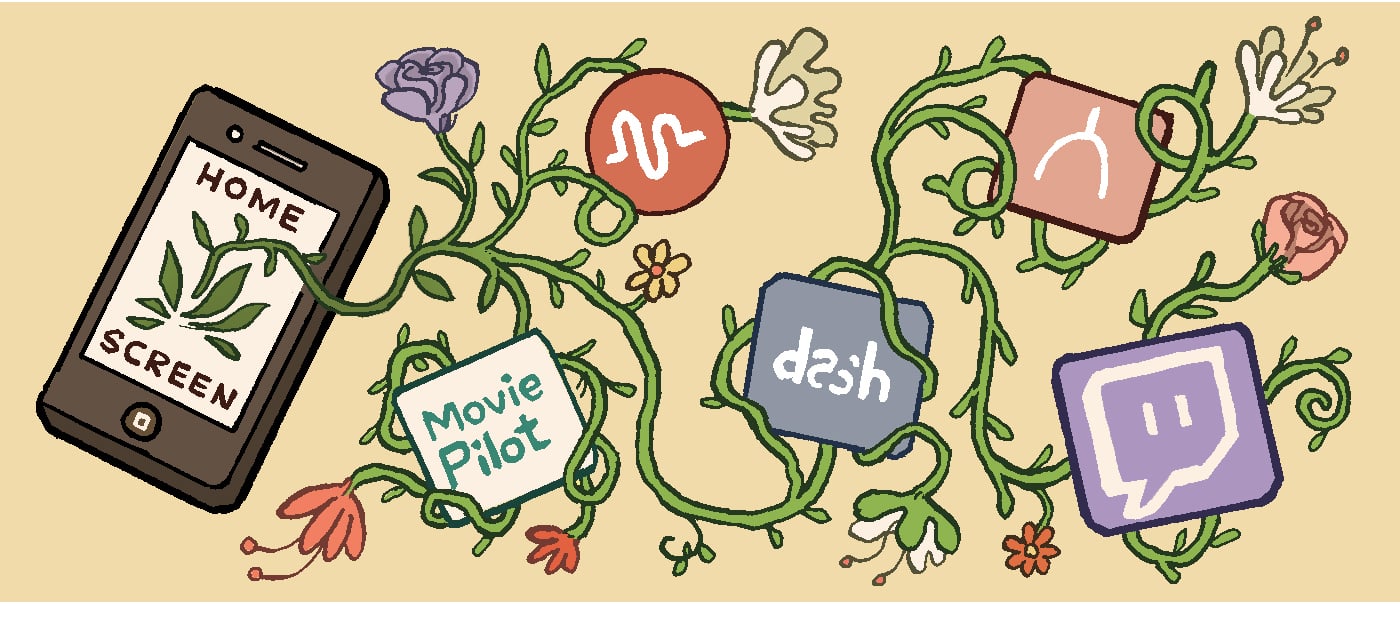
This is the 12th installment of Home Screen, a series of profiles on mobile pubs and apps and the devs that make them (and hopefully make money on them). Read about home décor app Lux, teen voting app Wishbone, wedding planner platform The Knot, lip-syncing app Musical.ly, pop culture magazine Movie Pilot, news app News Republic, on-demand laundry app Cleanly, music streaming app LaMusica, P2P global shopping app Grabr, kid-friendly chat app Jet.me, driving app Dash, storytelling app Episode, weather app Poncho, online writing community Wattpad and sticker app Emogi.