“Data-Driven Thinking” is written by members of the media community and contains fresh ideas on the digital revolution in media.
Today’s column is written by Augie Ray, vice president analyst, customer experience and marketing, at Gartner.
Brands are struggling with what to say in advertising and outbound communications during the COVID-19 pandemic. The desire to be encouraging and empathetic is understandable and honorable, but the stream of nearly identical COVID-19-themed ads has become its own kind of challenge for marketers.
At best, the look-alike ads may do little to differentiate brands; at worst, the artfully produced ads backed by large ad budgets may give the appearance brands are leveraging the pandemic for marketing purposes.
The challenge is that a single brand ad viewed within the boardroom can appear perfect – the right tone of commitment, care, concern and understanding shines through in every frame when execs see a single TV commercial in isolation. But string all those ads together, and a different perspective may emerge.
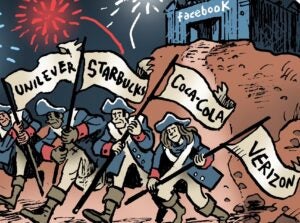
For some, the constant drumbeat of branded COVID-19 advertising filling every ad break can feel more like posturing and less like genuine empathy. The term “COVIDwashing” is beginning to appear in articles and on Twitter. The expression, a takeoff on the word whitewashing, suggests that consumers may perceive more brand self-interest out of such advertising than they do real commitment to customers.

The evidence that these ads may not be connecting as intended is growing. For example, Frito-Lay produced an ad, “It’s About People,” that gently mocks other brands, saying, “The world doesn’t need brands to tell us how to think or feel.” And a video called “Every COVID-19 Commercial is Exactly the Same” has collected almost 1 million views in a week. By stringing together the indistinguishable music, copy and imagery often used in the current deluge of COVID-19 TV ads, this video leaves an uncomfortable impression every brand is operating from the same template.
In the most publicized example of alleged COVIDwashing, Reese Witherspoon’s brand Draper James stumbled into a PR crisis by making a well-intentioned but ill-conceived offer. The brand took to Instagram to say to teachers, “We see you working harder than ever to educate our children. To show our gratitude, Draper James would like to give teachers a free dress.”
The post generated a lot of publicity and interest, and soon the brand had to backpedal as the application form crashed. Interest was much higher than the company anticipated, so it offered a raffle for a limited number of dresses, leading many consumers to storm social media and accuse the company of reneging on its promise. The offer, although well-meaning, proved to be more of a PR crisis, and it demonstrated how carefully marketers must consider every offer, promotion and campaign during times of enormous consumer need and sensitivity.
I think we need a new word to describe the flood of identical ads competing to out-empathize each other: “pandempathetic,” a combination of “pandemic” and “empathetic.” These pandempathetic brand ads are increasingly out of step with consumer desires. One recent survey found that 44% of consumers prefer ads that communicate service adjustments and updates, 24% want ads that indicate what brands are doing to help, and just 10% favor ads that acknowledge the situation and express concern.
There also seems a particular risk for brands taking to the airwaves to thank their employees. What may seem like a sound and safe strategy to show appreciation may backfire if employees complain the brand is spending on ad buys while failing to invest appropriately in safety and compensation for their “essential employees.” Taking real and helpful actions for employees before a brand produces a gratitude ad can help to reduce risk. For example, Albertsons Cos. installed plexiglass barriers in its checkout lanes and announced an “appreciation pay” program to temporarily lift wages for frontline associates by $2 per hour.
There are specific things marketers can do, even in this period of crisis, to ensure their advertising hits the mark. These include shorter planning cycles, rapid testing to determine if campaigns are producing desired effects, independent review and approval processes and increased monitoring of customer sentiment and campaign metrics. Messages that resonated with customers three weeks ago may be perceived quite differently today.
And, of course, some brands are just opting out for the time being. Coca-Cola CEO James Quincey recently told investors the company has “reduced our direct consumer communication, paused sizable marketing campaigns through the early stages of the crisis and will reengage when the timing is right.”
Aside from specific campaign testing and monitoring, the general and safe rule is to make sure brands leads with actions, not words. Brands should take more care, invest more money and dedicate more time being there for customers and employees rather than just saying it. Bias toward actions first, PR and advertising second, and brands will help to ensure that whatever they communicate is genuine and appreciated.
The skin a company puts in the game is what can protect it from COVIDwashing damage.
Follow Augie Ray (@augieray), Gartner (@Gartner_inc) and AdExchanger (@adexchanger) on Twitter.