This article is sponsored by Kidoodle.TV
The majority of the world’s children are still not back in classrooms. They stream videos and connect with teachers on platforms designed for adults. With kids accessing an increasing amount of content on desktop, mobile, CTV and gaming consoles, it is essential that the ad industry collaborate with regulators to keep kids safe online. Here’s what you need to know if you’re an advertiser looking to connect with kids and families who are streaming …
Embrace COPPA
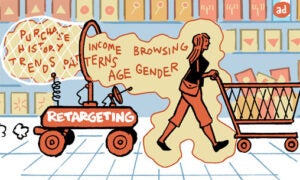
COPPA laws were introduced 20 years ago to ensure that the personal data of children under 13 years old is not shared with third parties (including retargeting use cases, many experts believe) without parental consent. However, publishers and app developers have not always had an easy time complying and COPPA enforcement is top of mind as regulators wise up to how consumer data is used by tech companies. Last year, YouTube received a $170M fine for COPPA violations in the United States, while in the United Kingdom, a $3.2B class-action lawsuit was recently filed against YouTube for violation of British and European data privacy laws.
In an effort to avoid multimillion-dollar fines, brands and tech platforms have restricted ad inventory reaching children. But doing so has the consequence of making it harder for child-friendly services to thrive, thereby sending children back to services that potentially violate COPPA laws. Rather than remove the opportunity to reach co-viewing families and kids altogether, brands should partner with publishers who take COPPA and GDPR-K seriously. If the industry does not support these services, children will end up on other platforms where they run the risk of being exposed to dangerous content.


As Shai Samet, head of the kidSAFE Seal Program points out, “The ad industry has a choice. It can find ways to support publishers that create content and safe online experiences for kids, or it can continue to focus exclusively on publishers and creators that don’t target kids. The latter choice makes it harder for online services truly designed for kids to thrive and monetize their products.”
Programmatic can work for kids
Contrary to what a lot of buyers think, advertisers can start supporting kids’ publishers programmatically. The COPPA law rightly prevents advertisers from using cookie or device ID data for purposes such as retargeting, but the COPPA law does not prevent advertising to children. As mentioned, some programmatic platforms take things too far by refusing to buy child-directed inventory altogether. Those platforms may require the COPPA flag to be passed as a way of preventing any buying of child-directed services.
But here’s the big news: Programmatic platforms can be COPPA compliant while buying kids’ inventory by leveraging flags such as Do Not Track (DnT) or Limit Ad Tracking (LAT). With DnT or LAT, programmatic platforms will keep kids’ data protected and remove the risk that comes with advertising to kids on platforms not made for them.
Programmatic buyers can also leverage programmatic guaranteed, contextually curated PMPs and yes, even the open market. Some child-directed services ensure no inappropriate ads will be served, further protecting children and brands. COPPA necessarily limits data-driven audience matches but that does not mean you cannot use your DSP to reach highly engaged families watching along with their kids. Opening the programmatic ecosystem to safe services will support publishers that care about children’s digital well-being.
The ad industry’s reckoning

Marketers across all verticals from retail to finance are trying to figure out how to reach their audience in a world increasingly focused on data privacy. In the forthcoming cookieless/device ID-less world, contextually targeted ads will continue playing a critical role in how buyers reach their audiences.
Services such as Kidoodle.TV are ahead of the curve on privacy and contextual targeting. Kidoodle.TV can abide by COPPA laws, limit audience targeting and keep inappropriate content off our service thanks to our proprietary creative review process. Marketers can leverage child-directed services like ours to reach highly engaged families.
This year has many of us asking the question, “What side of history do we want to be on?” Our industry can choose to perpetuate an online environment that is harmful to children, or by working together to support child friendly sites and apps, we can provide quality publishers with the revenue they need to continue building a safe place for children online.