 Here’s today’s AdExchanger.com news round-up… Want it by email? Sign-up here.
Lijit Exchange
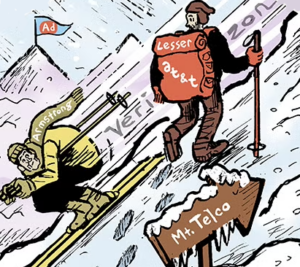
The promise of “brand safety” seems to be a big draw in exchange circles these days, so Federated Media’s supply side ad tech unit Lijit Networks has introduced new inventory packaging capabilities on the Lijit Exchange to capitalize on the trend. In a “if you can’t beat ’em,” mode, Lijit is joining up with a number of partners who have already established themselves in the “brand safety” business. Lijit is working with semantic ad specialist Peer39 to provide page-level site categorization to media buyers as well as ad effectiveness providers AdSafe, Double Verify, Adometry, and MediaTrust. “Network hygiene is a top priority at Lijit and we are constantly looking for new, proactive measures to put in place on our exchange to ensure that we offer only the highest quality content on the independent web,” said Tom Hart, Lijit’s VP of advertising operations. Read more.

E-Commerce Boom
The only reason offline commerce will continue to exist the next few years is for immediate needs (where are the bands-aids?) or as a showroom (read: Apple Store), says Chris Dixon. Given that the ranking of the leading e-commerce players hasn’t changed in a decade, suggests the establishment is solid, while startups have been slow to recognize the power of e-commerce. “The key equation driving e-commerce is: profit = lifetime customer value minus customer acquisition costs,” Dixon writes. “New marketing strategies (‘content plus commerce,’ social commerce, etc) lower acquisition costs enough to make startups competitive with incumbents.” Read more.
Tapping Segments
A week after Nielsen rolled out new online audience segments for TV viewing (AdExchanger story) one of its launch partners is crowing about the possibilities. In a press release, Adapt.TV agency customer Mike Racic of UM says, “This new tool allows UM to easily find TV viewers and create custom segments based on a client’s TV advertising buys. It also integrates with UM’s planning and buying tool sets, specifically AMP, which is a tool we use that directly ties into Nielsen’s cross-platform data.” Read it.
Sourcing Demand
Daily deals platforms are still working out how to tap into merchant demand. Last week WSJ examined attrition (subscription) and disaffection within Groupon’s sales force. Today we learn from Reuters’ Alistair Barr that AmazonLocal is working with YP.com’s local sales force to reach the SMBs that make the deals world go ‘round. Local marketing expert Peter Krasilovsky says, “Sourcing local deals is the hardest part of the equation – actually calling local merchants and finding deals on a daily basis that are interesting enough for people to buy.” Read it.
Shiny in UK
Shiny Ads has entered the UK market through a pair of partnerships. Gumtree and Unanimis will offer Shiny’s self-serve platform to their ad customers. Read a press release. Shiny did a deal with PubMatic two weeks ago.
Creative Pool
Make sure you choose the photo with best view of the pool. That’s not the only lesson that Intent Media claims to offer in disclosing results of a recent hotel client’s display campaign on travel tech site Tnooz. Intent Media’s CEO Richard Harris says, “”We tested multiple images for the same hotels. We knew we’d see some difference between the winners and losers, but the degree of difference surprised us. The impact this can have on a hotel’s ability to be considered, and thus booked, is pretty significant.” See the pool.
Publisher Churn
On the Scout Analytics blog, Matt Shanahan shares some data on publisher user data and the importance of properly understanding “churn” – audience that leaves a site but gets replaced by new audience. He writes, “In the end, ninety-nine percent of the anonymous audience churned, and while larger in number compared to registered visitors at the beginning, they were smaller at the end. The average lifetime of an anonymous user was 17.5 days compared to 125.2 days for a registered user. And the average lifetime value of an anonymous users was more than seventeen times smaller at $1.13 compared to $19.52 for registered users.” Read more churn analysis.
You’re Hired!
But Wait. There’s More!
- It’s All In The Execution – Dave Morgan on MediaPost
- Writing Effective Facebook Copy – Marketing Land
- “Our Wildfire acquisition has now closed” – Official Google Blog
- Facebook stock slides 6% as insiders get chance to sell – CNN Money
- Dude, Here’s Your Series A: Ben Lerer’s Thrillist Raises $13 Million – AllThingsD