Pubs In Packs
Many publisher consortiums have come and gone, but The Ozone Project is one that’s stuck around, Digiday reports.
Ozone is a European sell-side data-sharing alliance that counts titles such as Daily Mail, The Guardian, Times UK and The Telegraph among its members. Now, it hopes to bring its model to the US market, where publishers have tended to go it alone.

Ironically, American publishers are hamstrung by antitrust law. By collaborating to potentially negotiate better terms with platforms like Google and Meta, media companies could be accused of collusion.
In the words of one speaker at an event hosted by Ozone in New York City last month: “US publishers have been scared of their shadow.”
But maybe it’s time to stop running scared. As that same speaker put it: “Guys, stop worrying about colluding. The DOJ just gave Google a free pass on search.”
Perhaps publishers should mirror Google and get used to asking for forgiveness rather than permission.
“Publishers have always been treated as slow-moving herbivores by ad tech and Big Tech,” said one media exec. “So either you can, as an individual publisher, grow some teeth and decide to take on a fight, or get some friends … and gang up on the predator.”
It’s All The Rage
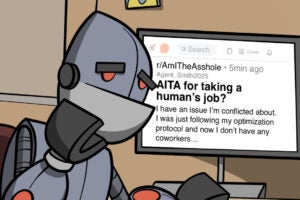
Social media and the internet in general have lately seen a large uptick in “rage bait” content, helped along by the ease of creating AI-generated slop.
For marketers, there is now a choice – and a choice many have seized – to participate or lean into rage bait themselves as a way to generate more clicks, views and all the other fun attention metrics, Marketing Brew reports.
The rise of AI-based ad products like Google’s Performance Max, Meta Advantage+ Shopping and Amazon Performance+ will only exacerbate the problem.
Around four years ago, when advertisers began flagging issues with PMax to AdExchanger, the complaints often came from brands that saw marketing copy and search keywords that didn’t align with their standards.
For example, one meat-free protein brand found that AI suggested new copy and keywords it wouldn’t normally approve, because these terms – like “ham” or “steak” – would help attract meat-eaters searching for groceries.
To bring it back to rage bait, focusing too much on “performance” could easily lead these AI-powered ad platforms to generate overly provocative copy or to bad-mouth a competitor, whereas a human marketer probably wouldn’t do that.
Because, hey, that’s what stops thumbs in the feed or keeps those eyeballs on a video post for another second or two.
Subtracting Ads
Perplexity appears to be hitting pause on its would-be ads business.
The AI search engine released an ad offering last year by partnering with brands and merchants, including Whole Foods and Tripadvisor. But it’s already reconsidering how to fit ads into the AI search experience, Adweek reports.
The initial plan for advertising was to start small and expand over time. But alarm bells went off when Taz Patel, the now former head of advertising, left the company after less than a year, drawing pointed criticism from advertisers and agency partners.
Now, Perplexity seems to have decided that if at first you don’t succeed, it might be time to give up.
Jessica Chan, Perplexity’s head of publisher partnerships, announced at Advertising Week in New York City that the company isn’t currently “taking any new advertisers,” nor is advertising on the road map for Comet, its AI browser.
But there are some advertisers on Perplexity, and they’ve been frustrated by its lack of measurement capabilities. Two ad buyers told Adweek they’ve had trouble tracking performance because Perplexity doesn’t have tools on par with the more established ad platforms.
Guess advertising just isn’t a priority for Perplexity.
But Wait! There’s More!
The Trade Desk’s OpenAds: Publisher-friendly transparency or another power play? [AdMonsters]
In an attempt to appeal to health-conscious consumers, Lay’s potato chips are now advertising that they’re made with – can you believe it! – real potatoes. [WSJ]
The UK’s competition watchdog has labeled Google a “strategic market player” in search and search advertising, giving regulators new powers to force changes that boost competition and fairness. [Bloomberg]
You won’t believe what degrading practice the pope just condemned. [The Guardian]