CTR, CPM – back to your caves! The engagement tribe is claiming the delivery of an improved sack of “billyclub” success metrics for the marketer to wield as he or she spills chocolatey ad spend across channels digital and non.
Choose-your-own-adventure video ads, filling out a survey to aid the marketer, entering a brand message in a CAPTCHA box – the digital ad world for the brand marketer appears to be playing right into the Facebook Credits model.
Meanwhile, engagement ad tech lovers are bursting with anticipation, “This time it’s gonna work! I just know the brand marketer is going to spend more online.”
With Facebook driving the big, pale blue Trojan horse (with the help of casual game leader, Zynga), a new era of digital engagement has arrived. As scale improves, the “lean forward” opportunity of the PC and its brethren is becoming the new posture poster child for digital brand engagement.
So, Is The Cookie Dead?

Whether it’s a cookie or some other identifier, no, cookies (trackers!) are not dead nor will they ever be I’m guessing. It would seem we are in a period of transition as the world of digital advertising technology follows the crumbs and looks for new data-driven solutions such as engagement tech, let’s call it. Engagement tech is not just about a “cookie free” solution (cookies could help retarget the user and potentially extend the value of the original engagement, after all), but it’s another means to the cookie’s end game: gathering customer data and telling an accurate story about ad spend to marketers, which helps them spend more online. Ad tech innovates to bring efficiency. And sure, there are a few bumps along the way.
In that the Web today primarily provides entertainment through a user’s clickstream, the latest opportunity to advertise is now developing around stopping the consumer in the clickstream while they’re “leaning forward,” asking them for something, and then giving them what they want.
That’s one way to do it. It outputs solid metrics that everyone gets to see and swallow.
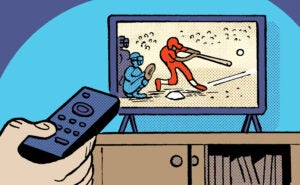
Not to be a party pooper, but what about when the user is “leaning back” – the digital “lean back”? What about the behavior and influence that occurs when not forced to engage? The “lean back” value exists in digital, but it has been hard to track from demand generation to fulfillment across multiple content sources and points of entry. It’s hard to track in TV, too, but TVs scale overcomes digital’s current fragmentation. And scale is the marketer’s understandably easy out.
Maybe what also comes from the engagement ads beyond hard engagement metrics for a specific event is the acceptance by the user of advertising that adds value for the consumer as part of their everyday Web journey – “lean back” ads. But these ads are going to have to get better, more relevant, more creative, whatever you want to call it.
The “lean forward” versus the “lean back” ads of digital: selling value versus adding value for the consumer – both ideas work and echo the paid, owned, earned media discussions of yore. MDC Partners and kbs+p’s Darren Herman sees the investment thesis gathering here and here.
Also, like other gray areas in digital, brand engagement down the road will likely evolve to a “lean forward” and a “lean back” opportunity with increments in between. Let’s call it “incrementality” which borrows TellApart’s Josh McFarland’s reference to this phenomena in a Q&A regarding CPC retargeting last year.
Navigating The Leans
If going between “lean forward” and “lean back” will be a critical part of the future for any digital ad campaign, then brand and DR advertising metrics will be tracked between the “leans,” if you will, through audience, context and creative metrics. It’s a big data deluge.
There is value to the brand marketer in building awareness in the DR world. Likewise, there’s value in creating a direct response mechanism in a brand awareness world. And, only digital will be able to unlock the “incremental” deep dive efficiently.
In the short term, there will be simpler, near-term point solutions (I just called Facebook Credits a point solution! Yes!!) which will evolve beyond the “lean forward” to include the “lean back.” Here, trade-offs could make sense for the consumer to opt-in for the anonymous cookie world or even the personally-identifiable world which provides less intrusion, better content, and/or ads that are like content. In some ways, the forced brand engagements of today could drive a seamless, data-driven future tomorrow for which even most privacy advocates would approve (in theory) given a user’s informed opt-in.
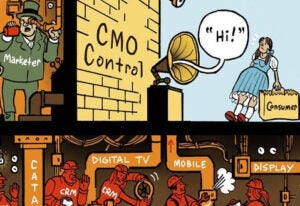
So, what’s it gonna take to bring it all together? Solve the big data deluge with analytics, attribution – and plumbing, or infrastructure that can see campaign data across media buying channels.
By John Ebbert