There’s an emerging middle ground between direct-sold and programmatic CTV ad sales.
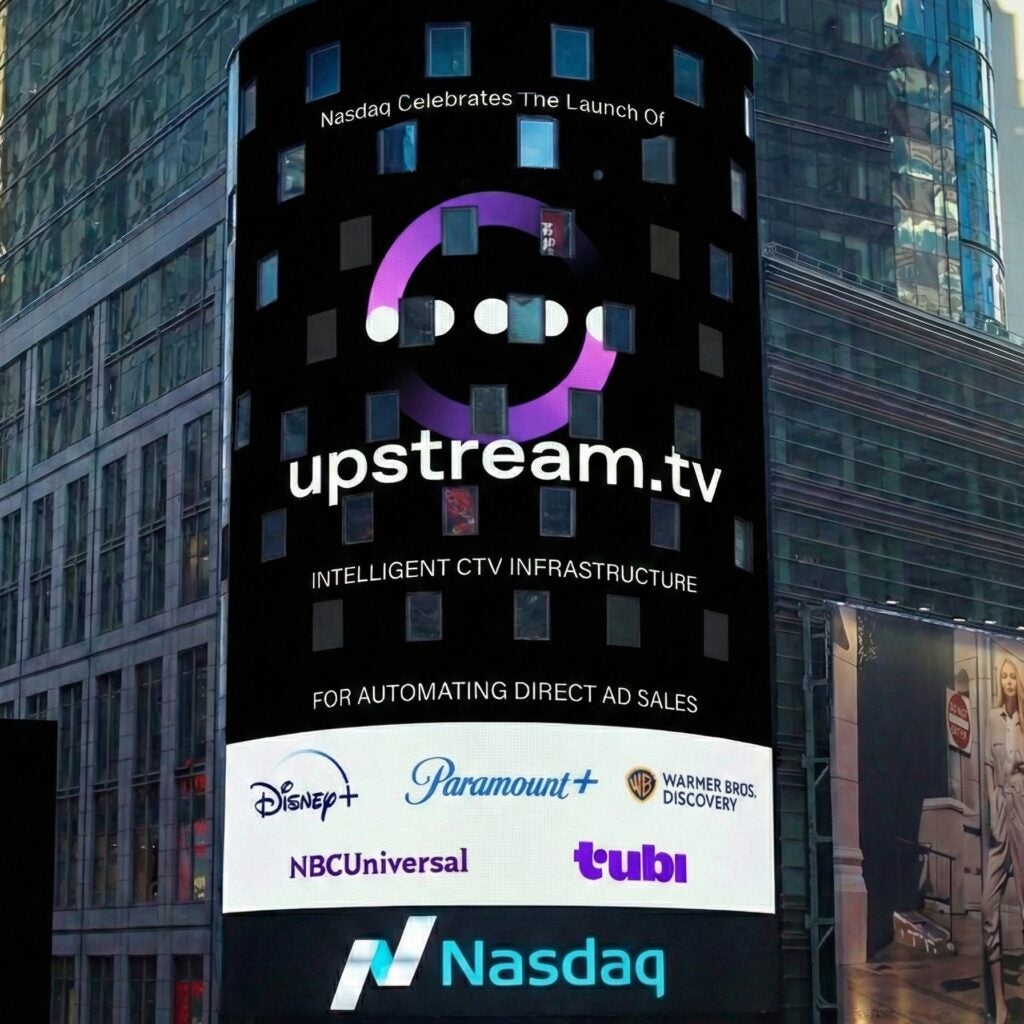
On Thursday, Upstream, a supply-side company that until today was called TheViewPoint, introduced a platform that automates direct TV and streaming ad sales. The platform launch and company rebrand strive to highlight the role of TV and streaming as an upper-funnel awareness channel. Upstream was acquired by video measurement firm Tatari in 2022, and both companies sit under the parent company Infra alongside Vault, a CTV privacy tech company that Tatari spun off in 2023.
Upstream classifies itself as a publisher-facing interface that automates direct-sold CTV campaigns at the ad server level. In other words, the platform is automated – but it is not programmatic.
Programmatic is very helpful in managing countless supply and demand sources in open web display advertising, but TV advertising is a different beast.

As an industry, “we went down this rabbit hole of programmatic for CTV when it was completely unnecessary and ill-suited for the structure of the market,” said Philip Inghelbrecht, CEO of Infra. And, to be fair, marketers do complain about the data and inventory fragmentation that comes from programmatic workflows.
Early adopters of Upstream’s direct sales platform include NBCUniversal, Warner Bros. Discovery, Disney, Paramount and Fox-owned Tubi.
A new kind of disintermediation
Although programmatic works differently in TV and streaming environments, there’s a reason why the volume of programmatic CTV ad sales keeps climbing. Programmatic workflows promise efficiency with digital-style targeting, frequency capping and automation – and, in turn, ad performance. Besides, who has the time for manual insertion orders?
Tatari’s own data has found that 90% of all streaming impressions come from just 10 publishers. That level of supply concentration diminishes the need for programmatic intermediaries that might muddy up the supply chain and charge fees to manage supply and demand.
The stat is certainly self-serving, but it is fair to say that, compared to other online advertising channels, TV and streaming video inventory are much more concentrated within a smaller number of publishers.
Upstream’s platform integrates directly with publishers at the ad server level to automate direct transactions, “jumping straight over” SSPs and DSPs that are in the middle of their own “tug of war,” Inghelbrecht said. For publishers, this removes a hop in digital ad workflows as well as the need to manually key in direct insertion orders.
In other words, Upstream is preserving the part of programmatic that actually works well in CTV: automation.
“The biggest advantage is reducing operational friction in a part of the business that historically hasn’t benefited from much automation,” said Michael Reidy, SVP of SMB growth, advertising and partnerships at NBCU. “Direct-sold CTV remains incredibly valuable for publishers and advertisers, but the workflows can still be manual and time-intensive.”
Platforms like Upstream’s bring direct sales automation “closer to parity with programmatic efficiency while keeping the strategic advantages of direct deals,” Reidy said.
Convergence behind the scenes
But no one solution is perfect. Which is why buyers and sellers alike are chasing the idea of convergence: when both technology and business infrastructure can sufficiently support cross-channel buys.
For example, one major advantage of programmatic platforms is their access to viewing and audience data from multiple publishers, which bolsters targeting and frequency controls – and, in turn, measurement. But publishers aren’t too concerned about their ability to overlay data on direct deals. For one, Inghelbrecht said, publishers have been increasingly building their own identity frameworks to help buyers target audiences across platforms and measure performance.
NBCU expects its ongoing work with Tatari to help it maintain a comprehensive picture of TV viewing across other publishers. Tatari has integrations with many major streamers and has long pitched itself to both pubs and buyers as a way to measure information about viewing and audience behaviors that is hard to obtain outside of a publisher’s four walls.
As for Warner Bros. Discovery, it has a “converged sales team” that specializes in helping clients tap the different advantages of direct and programmatic ad buys, said Bill Murray, head of growth and performance at WBD. Often, broadcasters have different sales teams dedicated to linear IOs versus digital programmatic activations. So, while sales through Upstream technically go through WBD’s growth and performance team, Murray said, there are direct sales “specialists ready to assist.”
The stance is emblematic of optionality: a popular buzzword that simply means making it easier for advertisers to activate campaigns in whichever way they decide is most efficient and aligned with their business goals.
Still, by removing friction that comes with programmatic, direct sales automation “really increases advertiser interest” in connected TV investments overall, Murray said.