Linear TV’s direct-sold era may be nearing its end.
NBCU is testing agentic systems that can automatically activate campaigns across its entire portfolio – including live sports programming on linear TV and streaming video.
The initiative, in collaboration with indie agency RPA and AI analytics vendor Newton Research, uses ad server FreeWheel to execute the buys.
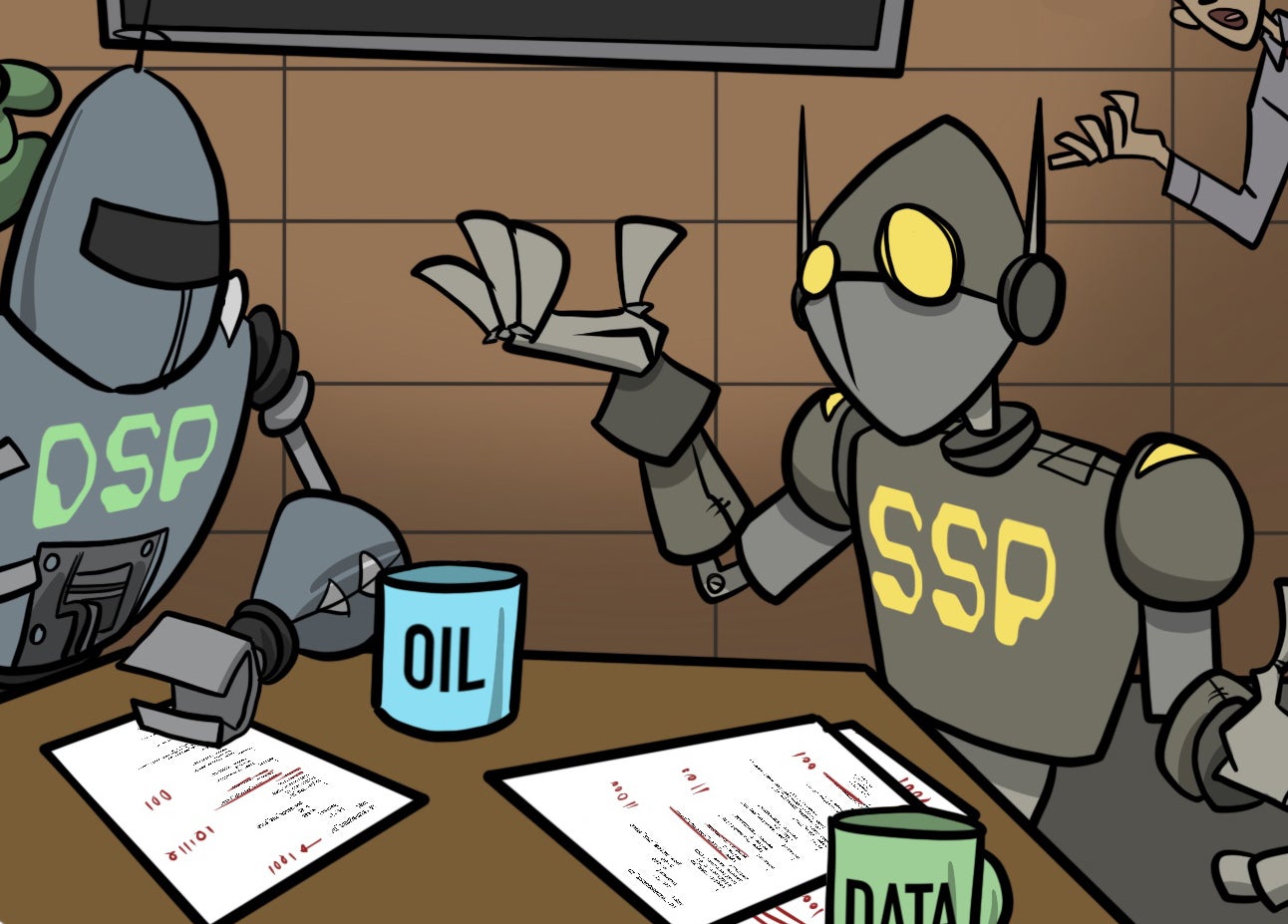
Are we headed for a world in which buy-side agents communicate directly with sell-side agents to set up campaigns? Yes, according to NBCU and its partners. Because campaign activation happens within the ad server, an agentic approach theoretically removes the need for DSPs and SSPs.
Bold claim.

But even if that vision is still a ways off, an agentic model saves agencies time by automating the email-and-spreadsheet-based grunt work of campaign setup, said Lisa Herdman, SVP and executive director of video investment and marketplace intelligence at RPA.
And agents can also help with bigger-picture campaign planning tasks, she said, while reducing ad tech fees, which is “super important” from a media efficiency perspective.
The first major campaign using the system is slated for Q1 and will place a major brand’s ads during NBCU’s live coverage of the NFL playoffs.
Agent-to-agent communication
NBCU isn’t new to automated linear TV buying.
Through FreeWheel, also owned by Comcast, NBCU has been going programmatic with its TV inventory for years.
But this is different from traditional programmatic, said Ryan McConville, NBCU’s chief product officer and EVP of ad products and solutions, because it sidelines the usual buying and selling platforms.
Not that agents replace programmatic, said McConville. Rather, they sit on top of it. Because agentic solutions are separate from the OpenRTB spec, they can automate tasks that standard programmatic buying can’t (and were never meant) to handle, he said.
For example, a DSP can automate the act of buying a curated deal ID, but setting up the deal ID – choosing what inventory to include and handling logistics – has been a manual process, McConville said. Agentic tech is good at automating those steps.
The same goes for campaign planning, said RPA’s Herdman, where agentic tools not only reduce the back-and-forth communication that slows down activations, but are also starting to help planners identify new audiences.
RPA has already tested agentic solutions for measurement, Herdman said, and this joint initiative with NBCU extends that experimentation into media planning and execution.
How it works
RPA worked with Newton Research to build its buy-side agent, feeding it with market intelligence to inform campaign decisions. On the sell side, NBCU developed an agent to manage its linear inventory, while FreeWheel created one for selling NBCU’s digital inventory.
The buy-side agent initiates the RFP process by sharing campaign details and goals with the sell-side agent and requesting matching proposals for linear and streaming inventory. The agents then refine the proposal through automated feedback loops, and once humans on both sides of the deal sign off, the campaign executes automatically.
This collaboration marks the first time that FreeWheel and NBCU have used AI agents to execute a single ad buy that includes live sports across both linear and streaming, said David Dworin, FreeWheel’s chief product officer.
Cross-platform live sports campaigns are “some of the most manual, high-stakes” operations in digital advertising, Dworin said – and demonstrating that automation works for TV could pave the way for broader adoption.
FreeWheel has also built a dedicated Model Context Protocol (MCP) server using the new Ad Context Protocol, which lets agentic advertising solutions communicate with each other. This setup enables publishers and advertisers to customize their agentic tools to fit their needs, Dworin said.
 Business impacts
Agentic AI has become the latest marketing buzzword, but RPA and NBCU say their work goes beyond the hype and they expect real business impact.
NBCU doesn’t struggle to sell its live sports inventory directly. But buyers have now come to expect the kind of automation they get from Big Tech platforms, McConville said, and NBCU wants to provide a similar experience that is also in the best interests of its clients, he said.
So far, automated buying has mostly focused on digital streaming, McConville said, leaving linear – which still accounts for about 80% of premium TV ad impressions – mainly manual. It’s a largely untapped opportunity.
Automating existing workflows will reduce operating costs, McConville said, and free up NBCU’s sales teams to spend more time on strategy. Meanwhile, simplifying campaign execution could also make NBCU’s inventory accessible to smaller advertisers that don’t have the resources to handle the complexity of large-scale programmatic buys, he said.
And because agentic campaigns run directly within FreeWheel’s ad server, creative approvals can also move faster, Dworin said, which is critical for live sports.
For example, say a platform has a 30-second ad slot available but the winning advertiser only provided a 20-second creative or, perhaps, the duration is fine, but the creative hasn’t been approved. In both cases, the ad typically doesn’t run, because approvals and handoffs have to happen in real time, which is nearly impossible to manage manually.
But AI agents can approve creative in seconds, Dworin said. The MCP server can ingest the kind of unstructured creative data buyers typically send in spreadsheets – such as what time of day an ad should run and which creative spot should run first – more efficiently than people can, he said.
Still, none of the companies involved said they expect automation to lead to job cuts.
RPA’s Herdman said the objective is productivity, not headcount reduction, and that agentic tools let agencies focus on higher-value planning work instead of repetitive tasks.
Programmatic advertising “has evolved in such a complex way,” Herdman said, “it takes a lot of work to do things right for our clients.”
But “if the smartest strategic decisions can be executed with the utmost operational and financial efficiency,” she added, “more money is going to the media that we need, [and] that’s the goal.”