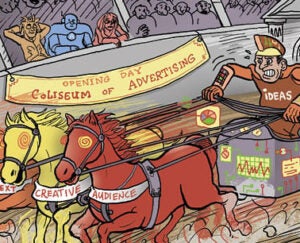
The front page of a publication has always been the centerpiece of its relationship with the audience – the primary expression of the publication’s identity and value.
When the paper or magazine arrived at your doorstep, it had to show its value above the fold. That basic logic informed the first era of digital publishing, where the homepage took center stage.
Over the past decade-plus of distributed media, technology platforms have interceded on that relationship, causing the homepage to lose its luster. The rise of search and social as traffic drivers enable readers to bypass the homepage, sending them directly to articles. As consumers’ attention shifted, so did the investments and efforts of the media industry. The focus is now on the article page and the monetization of that surface.
That’s beginning to change (again).

As we move into a new era defined by cookie erosion and the end of free social traffic, the homepage’s core surface area is reemerging as a mission-critical component of a publisher’s brand identity and user entry point. Publishers who have strong first-party relationships with loyal user bases are at an advantage – and the homepage is where that relationship thrives.
A signal of brand loyalty and intent
A visit to a publisher’s homepage is a strong signal of intent and opt-in from the user. Navigating to the homepage demonstrates a willingness to engage with the publisher’s brand at a broad level, a vote of confidence in the overall editorial mix. Moreover, it shows that the user trusts the publisher to curate new ideas. Advertisers invest in that trust.
When users repeatedly visit a publisher’s homepage, it demonstrates an even stronger connection and volition. The authenticity of that relationship provides a solid and legitimate provenance for the first-party data that now sits at the center of media exchange.
At the same time, it’s becoming clear that not all first-party data is created equal. Not all of it is the kind of high-fidelity, persistent data that can anchor addressable campaigns. The solid data will come only from entities that maintain real value and authenticity in their direct relationships.
Avoiding overmonetization and fostering editorial integrity
Given the strong expression of intent and loyalty embedded in every homepage interaction, it’s tempting for publishers to overload it with monetization. But overmonetizing the homepage with excessive advertising or overly restrictive paywalls can damage the user experience and erode trust. Instead, publishers should focus on creating the best possible homepage experience – one that is aligned with their identity and editorial mission.
To balance monetization with experience, publishers will need to continue innovating new ad formats specifically designed for the homepage. Big, bold, high-performing executions are still possible, but work best in smaller quantities – fewer, more prominent ads are preferable.
Refraining from monetization does not by itself mean forgoing value. After all, the data collected at the homepage level is as valuable for personalization and product as it is for targeted advertising.
Editorial opportunity in an era of filter bubbles
In an era defined by filter bubbles and increasing polarization, the homepage is a crucial space for presenting differing points of view. By curating a range of content on the homepage that offers a diversity of viewpoints, publishers can encourage users to engage with ideas that challenge their existing beliefs.
The importance of the homepage merits revisiting at this seminal juncture for the industry, particularly with the end of cookies introducing a new balance of power that favors publishers with strong first-party relationships. Despite the changes brought about by search engines and social media, the homepage remains a crucial aspect of a publisher’s digital presence, providing a central point for users to engage with the publisher’s brand.
Publishers must prioritize building long-term relationships with their audience, which means not overmonetizing the homepage in search of short-term revenue.
The homepage is where the value exchange takes place, where the relationships form and sustain themselves. As we transition to a new era of media exchange predicated on first-party data, the entire industry has a vested interest in getting it right.
“The Sell Sider” is a column written by the sell side of the digital media community.
Follow Newsweek and AdExchanger on LinkedIn.
For more articles featuring Kevin Gentzel, click here.