
Netflix’s First MLB Broadcast Wasn’t A Home Run; The AI Data Center Backlash Arrives
Netflix’s MLB streaming is heavy on the ads; the anti-AI movement gains traction; the court dismissed X’s antitrust allegations.

Netflix’s MLB streaming is heavy on the ads; the anti-AI movement gains traction; the court dismissed X’s antitrust allegations.

Netflix announces a new way to measure viewership; streaming and smart TV companies face data collection investigations; and Polymarket ads incentivized losing bets.
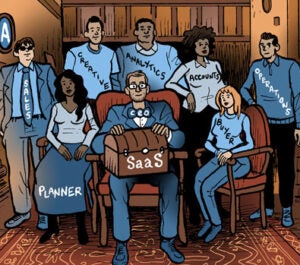
The pivot to AI has led to a gap in many SaaS and ad tech companies’ payment models; AppLovin bounces back in Q2; and Grok might be your newest media planner.

X will begin scoring ads according to Elon Musk’s aesthetic preferences; what those Sydney Sweeney jeans ads say about how brands capture attention online; and a Google exploit lets sites be deleted from search results.

ChatGPT will google that for you; the Canadian TikTok shutdown gets real; and Elon’s crusage against media ratings organizations goes on.

Can Google AI overview and other search chatbots cancel each other out?; say goodbye to both Demand Media and Linda Yaccarino.

Critics say the FTC’s deal with OMG/IPG prohibits agency practices that don’t exist. And it distracts from legitimate concerns about brand safety news blocking and principal media.
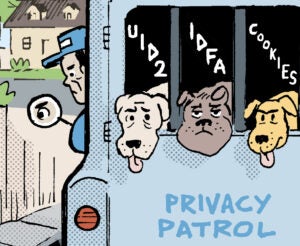
Google’s pivot on IP addresses shows it fears competition; the FTC investigates media watchdogs for advising brands not to spend on X; and Mondelez accuses Aldi of copying its snacks.

Etsy sellers aren’t feeling great about the US tariff situation. Plus, X’s data licensing and subscription revenue is increasing.

What does the end of impulse shopping mean for advertising? Plus, Remember Google+? Meta sure hopes you don’t.

No, “ROMO” doesn’t have to do with the former Dallas Cowboys quarterback. Plus, X is dealing with the fallout of a massive data breach.

Google is full-steam ahead with AI Overviews. Plus, don’t post AI-generated pictures in the style of Studio Ghibli.
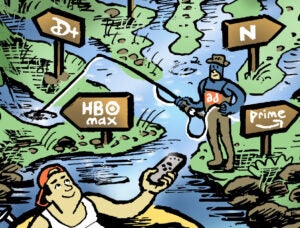
More dollars are flowing through the Amazon ads machine. Plus, are advertisers coming back to X out of fear of the Trump administration?
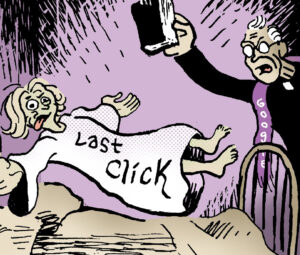
Why Google Demand Gen is struggling to grow; embattled web browser extensions test the limits of last-click attribution; and the State Department demands diplomats cancel their news subscriptions.

Spotify faces obstacles in its ticket sales aspirations; Apple switches to view-through attribution; and The Washington Post and Meta remove ads that were critical of Elon Musk.

Enjoy this weekly comic strip from AdExchanger.com that highlights the digital advertising ecosystem …

Paramount and Nielsen have ended their measurement standoff. Plus, a new survey says digital ads now cost more and convert less.

2024’s most popular guest columns offer a snapshot of an industry in flux – and one that’s grown cynical due to repeated promises of unrealized change.

Ad industry growth will slow to single-digits next year; consolidation hits the CPG market; and predicting the future of the FTC based on a commissioner’s pitch to the president-elect.

IPG buying Node continues the trend of agencies trying new business models; IPG and Publicis support principal-based buying while WPP opposes it; and billionaire owners believe controlling their newsrooms will win back public trust.

Meta changes policy on “sensitive” ads; Texas AG launches an investigation into GARM; and the CMA takes it easy on Apple and Google when it comes to cloud gaming.
Bluesky’s user count is booming, but it lacks the scale marketers crave; “individual-level prices” are ruining airline rewards programs; and Meta details its fight against forced-labor camps that perpetuate online scams.
Why the agency pivot to alternative payment models is good for M&A; Zeta Global responds to a short-seller’s explosive claims; and X sees a mass exodus after the election.

Google holds court with bloggers bumped from its search algorithm; a backlash is brewing as the online recommendation engine goes into overdrive; and X pushes conservative politics to accounts with nonpartisan interests.

Instead of erasing the idea of brand safety, we should be developing smarter, more nuanced solutions that protect both news publishers and advertisers.

The decision by WFA leadership to succumb to Elon Musk’s pressure is disappointing and dangerous – but it presents an opportunity to rethink our industry’s broken approach to brand safety, writes Arielle Garcia.
The World Federation of Advertisers told members on Thursday that it’s suspending its Global Alliance for Responsible Media initiative.
Shares of WPP took another thumping yesterday. Plus, advertisers are getting post-lawsuit cold feet about X all over again.

In today’s newsletter: Netflix drops its ad prices to slightly less outrageous levels; X sues GARM, alleging it led an ad boycott for ideological reasons, not brand safety concerns; and how TV manufacturers have laid the groundwork to take ad dollars from streamers and cable.

Amazon’s Rufus: yet another example of Big Tech pushing AI bots onto its platforms. Plus, pushback against Google search engine monetization.