Times are tough and tight for web publishers. But times are even tougher for small, independent newsletter writers.
They don’t have sales teams and typically don’t want to alienate their readers with paywalls. Most also don’t have the scale to attract (or even land on the radar of) advertisers.
Meanwhile, there’s intense competition for subscribers, and some newsletter tools are getting shut down.
“These writers are out there producing interesting, niche content,” said Jacob Schonberger, CEO and co-founder of Swapstack, a marketplace that helps newsletter creators monetize by connecting them with brands and brokering affiliate deals.
“But they don’t have the time or the ability to find brands to sponsor them,” he said.

Origin story
Schonberger knows firsthand about the challenges of launching, growing and monetizing a newsletter.
After getting his grad degree in 2020 – smack dab in the middle of the pandemic – he started and still writes a Substack newsletter of his own called The Premoney List. Each issue features two early-stage companies and their founders with the goal of highlighting cool startups and connecting them with investors.
But, familiar story, Schonberger found himself spending way too much time that summer alone in front of his computer, so he joined On Deck, an accelerator and community for new entrepreneurs.
It was there he met his co-founder, Jake Singer, a former Amazon product manager and at the time a fellow newsletter writer.
They commiserated and together started reaching out and talking to other newsletter writers, mostly Substackers, and a clear theme emerged: Making money is hard.

Although a newsletter might not have a massive subscriber base, its readers are usually loyal, engaged and have demonstrated their interest in a specific topic simply by subscribing.
These are the types of audiences advertisers want to get in front of, Schonberger said.
“Newsletter readers are very aware of who the writer is. There’s a trusted relationship there,” he said. “And so any sponsorships come off as endorsements, which is an opportunity for brands.”
 Newsletter network
Before formally launching Swapstack in early 2021, Schonberger and Singer began manually connecting newsletters with advertisers.
Although it was gratifying helping indie writers earn money, making individual introductions wasn’t scalable or sustainable.
It took about six months to build and release the first version of the product with an interface for brands to browse newsletters and get recommendations on which ones to sponsor. Newsletter writers can also request intros to brands they want to work with.
Over time, Swapstack added other features, including a tip jar to help writers collect small donations from their readers and an affiliate program of preapproved ads that pay on a cost-per-click basis. Publishers also have the option to charge a flat rate for sponsorships.
Earlier this year, Swapstack started allowing publishers to extend affiliate deals through integrations with other affiliate providers, including Impact, Pepperjam, ShareASale and PartnerStack.
Some of the publishers in Swapstack’s network had never even considered affiliate partnerships in the past because they didn’t think their audiences were big enough to attract advertisers, Schonberger said.
“But we know for a fact that there are lots of advertisers – often niche advertisers – out there that want to work with them,” he said. “They just need it to be easier and more automated.”
High trust, great returns
Apparel brand unspun is one such advertiser.
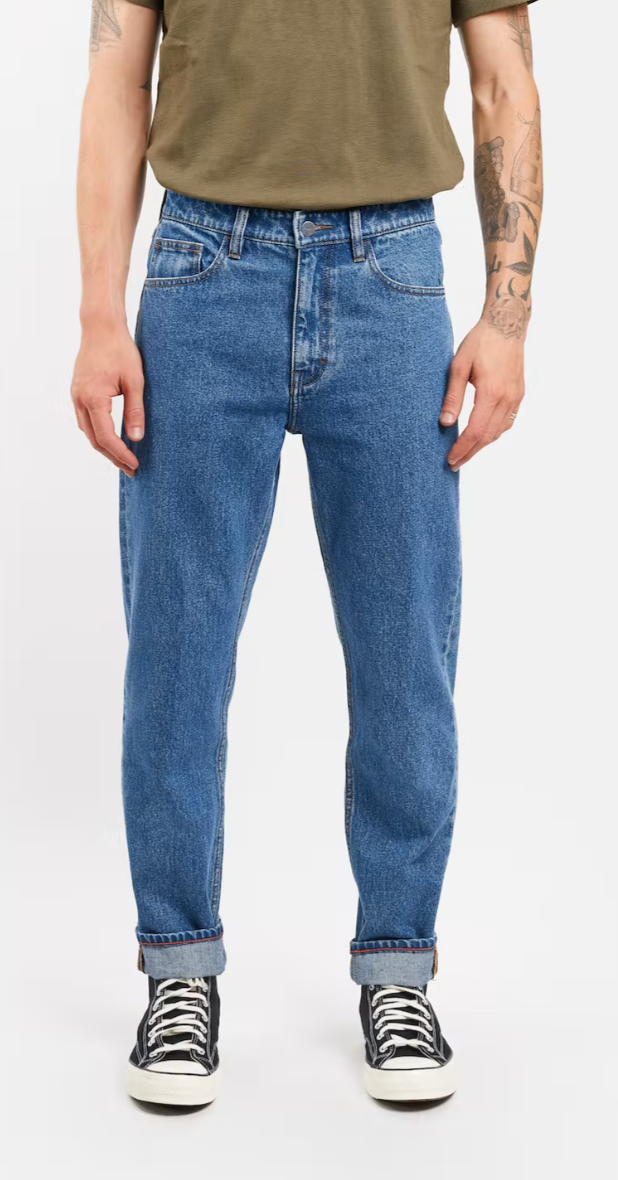
Unspun has an app that allows people to create 3D scans of their body, which it uses to manufacture pairs of customized, made-to-order jeans. The idea is to cut down on waste in the apparel industry, which overproduces by more than 30% every year.
 Unsold items and unused textiles usually end up getting burned or tossed in landfills, said Kevin Martin, a co-founder and CTO of unspun.
The company raised a $7.5 million seed round in September 2021, which meant it finally had a marketing budget. But its funding came several months after the release of Apple’s AppTrackingTransparency framework.
In other words, the glory days of putting $1 into Facebook and magically getting $2 back were over, Martin said.
“We were born on the other side of iOS 14,” he said. “From the very beginning, we’ve thought differently about how to venture into paid media and find the right places to insert ourselves.”
As a dedicated newsletter reader himself, Martin realized the power of that medium – “high trust can mean great returns,” he says. So, he started approaching newsletters where his audience might be, focusing on sustainability, women’s fashion and competitive bicycling enthusiasts (because some hardcore cyclists have muscular thighs and find it difficult to buy jeans off the rack).
But it was a heavy lift.
The back and forth was time-consuming and manual, because communication had to happen through email. And although the publishers he reached out to were excited about the opportunity, most had never run ads before and had to be walked through the process.
“We had to start from scratch every time,” said Martin, who began working with Swapstack after someone recommended the service to him on Twitter.
By automating the outreach and discovery process, unspun has been able to increase the number of newsletters it sponsors on a monthly basis from around four to roughly 30.
In some cases, it’s running cost-per-click campaigns with newsletters that have a bigger audience, and other times it’s doing a $50 placement and is that newsletter’s first-ever advertiser.
“Either way, newsletters are a good performance channel for us,” Martin said, “and I think it’s more interesting than just throwing money at Zuckerberg.”
Still nascent
Still, some advertisers aren’t aware of the newsletter opportunity.
Incremental Media is an agency that specializes in direct mail, insert media and print as a complement to digital, including podcasts, programmatic direct mail (similar to Incremental’s competitor, PebblePost) and newsletters. It partnered with Swapstack last year.
When Eric Smith, Incremental’s VP of emerging media, mentions newsletters to some clients, it’s often new to them, though they’re open to trying it.
Today, newsletters are “a growing portion of our business,” Smith said. Most clients that advertise on podcasts now also sponsor newsletters because they’re looking for a space to tell their story.
“That’s true especially among newer brands that are trying to grow,” Smith said. “They need high visibility placements that are good for awareness but also have potential lower-funnel benefits.”
The reality is that privacy changes have made Facebook awareness campaigns less effective, Smith said. And although the large social platforms are still good for reach and generate performance, not all clicks are created equal – especially in a post-ATT world.
“If I can get the same cost per click in a newsletter than I can get on Facebook,” Smith said, ”at least I know that newsletter click is probably more genuine than somebody who’s just flying through their feed.”