Can a good sales presentation offset the impact of a very bad news week? That’s a question for Meta, which collected two guilty verdicts in court this week for failing to protect children and creating additive products.
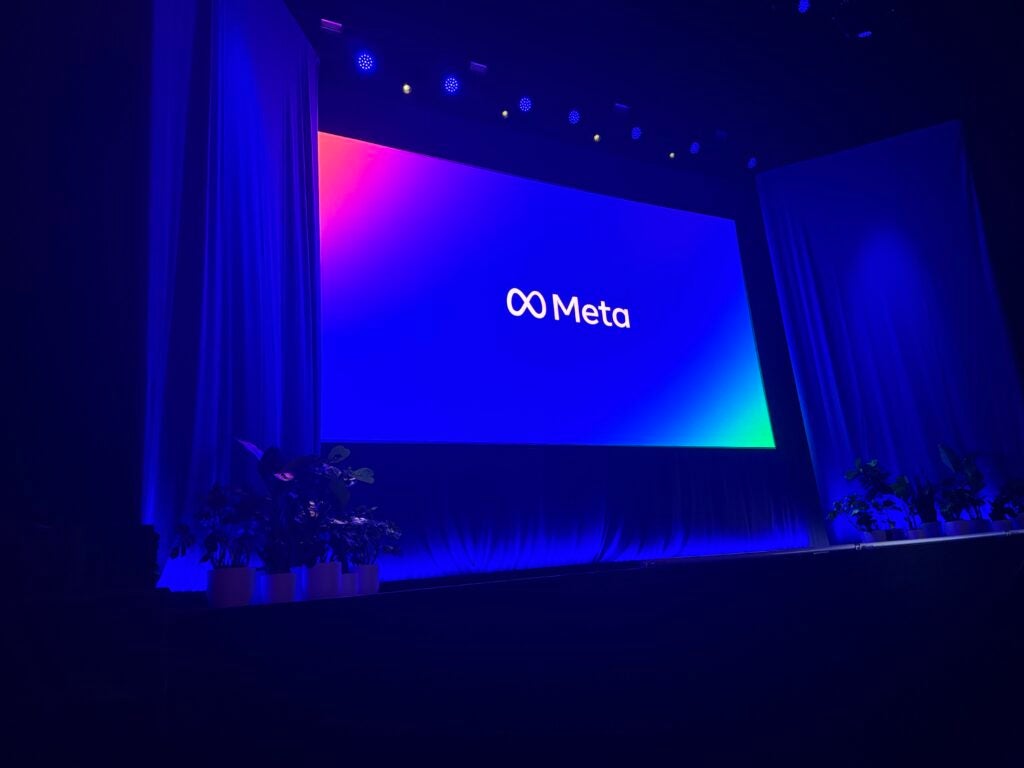
Yet, inside the Manhattan Center, you wouldn’t know it.

During the IAB NewFronts in New York City on Thursday, Meta previewed new generative AI-powered tools to help make video ads less disruptive and more aligned with cultural trends already happening on its platforms.
The goal of every Meta advertiser, said Head of Creative Shop Jimmie Stone, should be to “embrace the noise” of modern social media consumption habits, by prioritizing consistent, shorter forms of video messaging rather than “linear, simple and neat stories.”
Or, as host Roy Wood Jr. put it during his opening remarks, “What if your ads didn’t feel like ads?”
Embracing creator culture
Naturally, Meta expects that AI technology will be at the heart of scaling and optimizing this type of advertising strategy. But so will creators, who have a better understanding of what works for their own audiences and can tap into that sense of trust and authenticity more effectively than major brands often can.
To that end, Meta is redesigning its Partnership Ads hub within Meta’s Ads Manager to make it easier to manage creator-made content. This includes enhanced audience filtering capabilities so advertisers can find the right creators to work with on Facebook and Instagram.
The focus on audience filters is a little ironic, given that Meta often pitches its AI-optimized Advantage+ product as being designed to reach the right people without having to manually fiddle with demographics and interests.
Speaking of Advantage+, Meta plans to expand its creative optimization and generative asset creation capabilities with new features, such as AI-generated voice-over, English and Spanish translation and even “UGC-style generated videos with avatars,” according to Stone.
That last detail about avatars is a bit confusing. After all, creators are users of the platform before anything else. So, what happens when they’re forced to compete with AI-generated branded content for attention?
Lawsuit? What lawsuit?
But that’s hardly the most pressing question facing Meta right now, given the week it’s been having.
In New Mexico on Tuesday, a jury found Meta liable for failing to safeguard children from predators on Facebook and Instagram. The next day, another jury in California found both Meta and Google responsible for creating intentionally addictive platform designs that negatively impacted the mental health of the now 20-year-old defendant.
Meanwhile, Meta also laid off at least 700 more employees on Wednesday, mostly from the Facebook and Reality Labs teams. While that’s not as high as reports last week of a planned 20% workforce reduction, the narrative behind the layoffs remains the same, which is that Meta wants to offset mounting costs associated with building more AI infrastructure.
None of that came up during Meta’s NewFronts presentation, of course. But it does make Meta’s AI sales pitch feel a little more complicated than it looked on stage.