

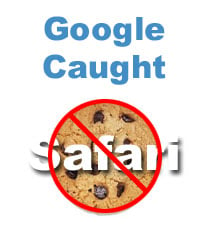
 Google has agreed to pay $17 million to settle charges it dropped cookies on Safari Web browsers in defiance of the browser’s privacy settings.
According to the settlement, from mid-2011 to early 2012, Google rejiggered DoubleClick coding to get around Apple’s default blocking of third-party cookies in Safari. When the charges were first publicized last year, Google claimed the circumvention was inadvertent and resulted from its implementation of the Google +1 button. Google was just trying to deliver its services to logged-in users, the argument went.
“We used known Safari functionality to provide features that signed-in Google users had enabled,” Google said in a statement at the time. “It’s important to stress that these advertising cookies do not collect personal information.”
That message apparently didn’t reach New York Attorney General Eric Schneiderman, who in a statement today declared his fierce defense of “personal data” against Google and other would-be privacy transgressors. New York’s share of the settlement is approximately $900,000.

“Consumers should be able to know whether there are other eyes surfing the Web with them,” Schneiderman said in a statement. “We must give consumers the reassurance that they can browse the Internet safely and securely. My office will continue to protect New Yorkers from any attempts to deliberately expose their personal data.”
In addition to paying for its lapse, Google has agreed to an injunction that, among other things, requires it to “improve the information it gives consumers regarding cookies, their purpose and how the cookies are managed by consumers using Google’s products or services and tools.”
The settlement spans more than 30 states, including Michigan, Iowa, New York, New Jersey, Texas, Vermont and Washington.








