Some tech providers are looking to phone numbers as the cookie killer – but privacy and user reticence are potential roadblocks.
Digits, however, are a tantalizingly sticky bridge between online and offline, said Guy Weismantel, EVP and CMO of call analytics company Marchex.
“It’s extremely hard to prove ROI when someone goes offline and you lose them from a cookie perspective,” Weismantel said. “That’s why the phone number becomes an interesting proxy.”
For one, phone numbers have a level of permanence that trumps cookies, device IDs and even email addresses.
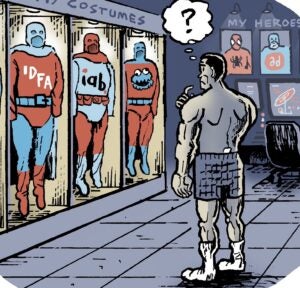
Although identifiers like IDFA on iOS and the Android ad ID last longer than cookies, they need to be refreshed when users either reset their advertising settings or buy a new phone. And while consumers often use email to login across devices, they generally have more than one email address.
“People change jobs, they have multiple personal accounts, they have one where all the spam and offers go – and that’s not a very targeted environment for a marketer,” said Weismantel, noting that even when consumers change carriers, they generally port their phone number to their new provider.
And as the mobile phone becomes the primary hub of communication, people are even less likely to change their number, said Mark Sullivan, director of demand generation at call tracking platform CallRail.

Phone numbers also present an opportunity to get closer to people-based rather than cookie-based attribution, Sullivan said. If a user sees an ad for an auto dealership and clicks to call and set up a test drive and actually shows up, that’s trackable if the user has location services turned on.
But scale is a question.
Until there’s a critical mass of data tied to phone numbers, it’s unlikely they’ll take off as an identifier that’s equal to or more important than an email address, despite their longevity, said Anneka Gupta, chief product officer at LiveRamp.
“Brands, platforms and apps would have to start collecting phone numbers from their users almost as a default,” Gupta said.
Some publishers are moving in that direction. Apps like Snapchat, Musical.ly and Kik all give users the option to sign in with a phone number.
But email is still where it’s at from a collection point of view, Gupta said. Brands have already invested a lot of time and effort into their email programs.
“Marketers already have a large number of email addresses,” Gupta said. “So, the question becomes, should they double down on email or add phone numbers to the mix?”
Brands need to present a clearer value exchange before consumers cough up their phone number. The average person is sensitive about sharing that type of information, Gupta said.
“It comes down to notice and choice and opt-out mechanisms,” she said. “There are lots of ways to opt out of an email address being used to identify someone, but I don’t know of any easy general ways to opt out based on phone number.”
Take Facebook’s WhatsApp, which has access to phone numbers but got into hot water in the EU for linking them with identities on Facebook. Facing a fine over the matter, Facebook allegedly told the European Commission there was no reliable way to automatically create matches between user accounts across services, which didn’t turn out the be the case.
Admittedly, WhatsApp users can opt out of sharing their account information with Facebook proactively, although they have to know to do it.
But privacy concerns aside, identity isn’t about one identifier winning out over another, said Brian Andersen, a partner at LUMA Partners.
“It’s not either/or – it’s yes,” Andersen said. “The emergence of identity as a strategic capability in the market is immense. Identity solutions are going to use every piece of identity they can use in a privacy-compliant way in order to optimize the customer experience.”
Because identity is an amalgam, Gupta said.
“A person can have multiple identifiers and you really need to know all of them to get a complete picture of the consumer, because all identifiers play a role in understanding identity,” she said. “At the end of the day, the permanent ID should really be the person themselves and some associated identifier that goes along with that person.”