OpenX is courting advertisers more aggressively with the launch of OpenXSelect, the latest evolution of its curation platform, which launched on Wednesday.
But don’t call OpenX an ad network, and definitely don’t call it a demand-side platform.
Over the past few years, sell-side curation has gained popularity as a solution for advertisers to target high-quality publishers. Supply-side platforms like OpenX are leaning into this trend to prove their value as curators.

So … what’s new?
Recently, there has been a greater push for “control and transparency on the buy side,” OpenX CRO Matt Sattel told AdExchanger.
Ever since the Association of National Advertisers put out a report in 2023 regarding the cost inefficiencies of programmatic buying and the issues inherent across made-for-advertising sites, Sattel said, brands have been having “deeper conversations around supply quality” and the risk of not knowing where their ads are running.
Sell-side curation is the solution, he said.
OpenX’s data science team uses the company’s curation-focused AI suite, Results by OpenX, to predict how likely ads are to drive specific outcomes based on certain attributes, including time of day and location, said Sattel. Results by OpenX launched in May and will be available within OpenXSelect.
The information is sourced from data providers and OpenX’s bidstream.
“What our data providers are able to do,” said Sattel, “is match their audiences through our proprietary identity graph and make them available for buyers to activate within the OpenXSelect platform.”
From there, buyers can get granular with the details, building packages around a specific topic, like sports, so advertisers can buy ad inventory that appeals to their specific audience. Advertisers can also target individual publishers, rather than a larger segment.
They can curate their supply with options for contextual targeting, specific audiences or eco-friendly publishers. OpenX then turns the selected supply into a deal ID to target relevant publishers.
Two’s company
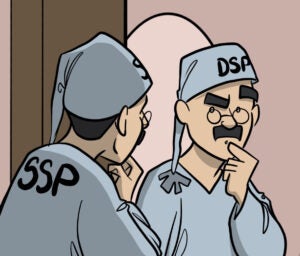
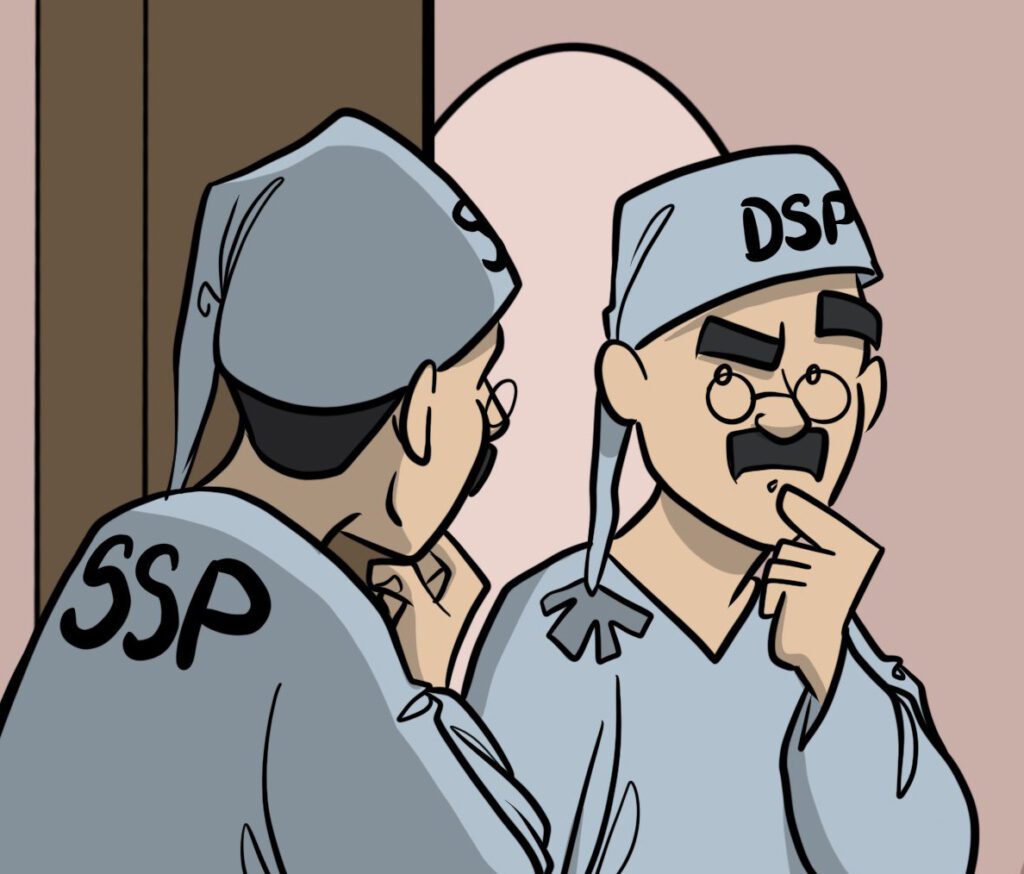
What it means to be an SSP has evolved rapidly over the past few years. Rather than focusing solely on selling ad space on behalf of publishers, they’ve recently doubled down on buy-side tools. Now, SSPs face the challenge of balancing the needs of advertisers with those of publishers.
Instead of redefining what it means to be an SSP, some companies are redefining themselves. PubMatic, for example, insists that it’s no longer an SSP (okay) and instead calls itself an “end-to-end platform” – which is really a fancy way of saying it serves both buyers and sellers.
However, OpenX is staunchly set in its identity as an SSP, said Sattel, just with a greater focus on buy-side transparency and control. And “there’s not much more a buyer is going to want than transparency, performance and scale,” he said.
But now that SSPs are homing in on the buy-side experience, it raises the question of what role DSPs play in the digital advertising ecosystem. According to Sattel, DSPs don’t need to worry; they aren’t going anywhere.
While SSPs are adopting features traditionally offered by DSPs, like targeting and curation, this updated approach actually complements DSPs, said Sattel.
DSPs often receive more signals from SSPs than they can respond to, he said, and duplicate requests increase the risk that high-performing inventory will be missed by buyers due to a DSP’s queries-per-second caps.
OpenXSelect focuses on “sending the right requests and the right signals to DSPs,” said Sattel. This effectively means that advertisers can target their most relevant content while DSPs receive a smaller, more curated volume of signals.
And so, for now, at least, buyers are still using DSPs, said Sattel, and “in order to make a buyer successful, we have to make the DSP successful as well.”
“I believe in a two-sided marketplace,” he said, to provide checks and balances on both sides regarding pricing and inventory. That means both DSPs and SSPs still have defined roles to play.
Otherwise, Sattel said, ad tech runs the risk of returning to the black-box ad network model that “programmatic was built to solve for.”