“Data-Driven Thinking” is written by members of the media community and contains fresh ideas on the digital revolution in media.
Today’s column is written by Simon Harris, head of sales EMEA at MightyHive.
Safari has just beaten Chrome’s 2022 deadline for killing the third-party cookie (while also delivering blows to several other tracking methods).
Legislation and measures to improve consumer privacy are changing the way programmatic advertising works. In 18 months, when Chrome blocks third-party cookies, advertising on the open web will change irrevocably. Not to be left out, there are rumblings of mobile user IDs being cut off as well.
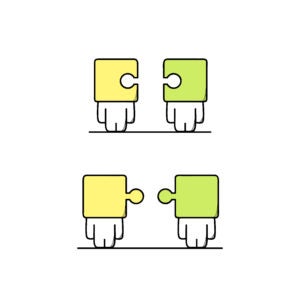
Advertisers who could once rely on third-party data to augment their first-party assets can no longer do so. Because of these changes, programmatic will have to grow up fast. In short, it’s time for advertisers to have “the talk” with their partners about the changes that lie ahead and ask them about their plans to adapt.

Data privacy Is growing up: Here’s how to grow with the market
While the rules governing privacy are still being written, at least one clear principle has emerged: The future will be defined by permission-based data. This puts owned consumer interactions – whether on a website, mobile app or in-store – at the center of operations for advertisers. To get the dialogue started, advertisers should meet with relevant partners and stakeholders to discuss first-party data strategy.
Knowing that logins will be a priority in a world of permission-based data, it’s especially important for advertisers to ask their marketing partners how they can encourage a user to sign in to their owned-and-operated websites and apps. It’s likely that these types of durable, tangible identifiers will replace third-party IDs in programmatic media and measurement.
Adapting to changes in audience targeting
Without access to third-party data and behavioral targeting to extend reach, advertisers and their marketing partners will need to talk about how they plan to reach audiences that aren’t already customers.
Here, options will likely include creating look-alike audiences from advertiser first-party assets within walled gardens and potentially data via publisher co-ops.
Measurement will evolve. Make sure you do, too.
Targeting is going to change, but so is measurement. It’s likely that digital measurement will move to a world where A/B and incrementality testing become the norm and success is measured probabilistically. Knowing how to design, conduct and interpret these tests will be a lifeline as deterministic measurement wanes.
It’s likely that data clean rooms will augment probabilistic insights for marketers who want more precision but want to remain respectful of user privacy. In many ways, these clean rooms can be seen as the future of measurement. Understanding practices for data clean rooms will allow marketers to continue to receive robust reach and frequency analyses, uncover advanced audience insights, and build attribution models.
What happens after these conversations?
With so many things changing at once, conversations with partners are vital. But what’s of even greater importance is that advertisers find meaning in these discussions so that they can move forward.
In some cases, advertisers will surface the “right” answer simply by talking to several marketing partners. Other questions won’t be that easy because the answers are still unclear.
In those cases, advertisers should use these conversations to think about the kind of partners they’ll need to solve these problems in the future.
Follow MightyHive (@mightyhive) and AdExchanger (@adexchanger) on Twitter.