“Data-Driven Thinking” is written by members of the media community and contains fresh ideas on the digital revolution in media.
Today’s column is written by Shiv Gupta, founder at U of Digital.
Marketers eventually get tired of being fed BS by their partners, and start to BS back.
Time and time again, vendors have been caught with their pants down (figuratively, usually), partaking in nefarious activity that abuses their partnerships with marketers. That has left marketers fearful that ad tech vendors will use their information to benefit competitors, game metrics, and/or gain the upper hand in negotiations, among other concerns.
But they respond to these fears by dishing out BS of their own. We can all agree that this isn’t a great way to do business. Partnerships built on trust and transparency usually ensure that all sides benefit.
Marketers should be more self-aware about cutting down the BS where it’s not needed. But the onus is also on sellers to help them overcome their trust issues. Here are some situations where marketers may BS, and how to navigate them!
Falsifying partner mix, pricing, or business goals
It’s not uncommon for marketers to mislead about the size of their budgets, give artificially aggressive (and unrealistic) performance targets, and/or price points. Sometimes, they conveniently forget to mention to a vendor that they’re also working with its biggest competitors.
Marketers may feel that these misdirection tactics put them in a better negotiating position, but if sellers know exactly what and who they’re up against, they theoretically can better help marketers understand how they will add value.

Unfortunately, many companies have a distorted view of negotiations and feel a need to “win.” But this ain’t Scrabble, folks. In any negotiation, no side should seek to win as much as it should try to ensure that all parties get what they need.

If sellers show their cards by explaining to customers exactly how they plan on using the information they’re asking for, that should get both sides talking. The more information each side has, the greater the chance that both parties gain from the negotiation. More transparency ensures the proper give and take in all the different areas of the negotiation (beyond just price) and sets a partnership off on the right foot.
Not sharing data for targeting
Until recently, ad tech took a pretty liberal approach to data. Everyone was sharing everything with everyone (whether they knew about it or not). But growing awareness of data use and practices has made marketers hesitant to share data with vendors. While sharing may help them, it may also feed into the vendor’s larger data set and optimization engine. This could inform other marketers’ campaigns and indirectly benefit competitors. That’s scary for any marketer.
If a marketer says “no” to sharing the data, sellers should ask why. That’s half the battle. Understand what may prevent them from doing so, and then work to overcome their concerns.
If the technology is not co-mingling marketer data, prove it and put it in the contract.
If the technology IS using the marketer’s data to inform the algorithm, then sellers need to show how the upside for the marketer spilling the tea would far outweighs any potential benefit for others.
Not sharing data for measurement
A marketer may tell a partner that it’s being measured using multitouch attribution or incrementality testing, but they are not willing to share specific goals, the underlying methodology, and/or the data in its entirety. Why? Marketers may be afraid that vendors will use this information against them by gaming optimization and ad targeting strategies to make performance look artificially better.
That’s like holding a golf tournament without telling the players the par for each hole (the goals).
It’s like a teacher giving out a writing assignment without a grading rubric (the methodology).
It’s like a figure skating competition but we don’t know the judges’ final scores (the data)!
Nobody wins in these types of scenarios.
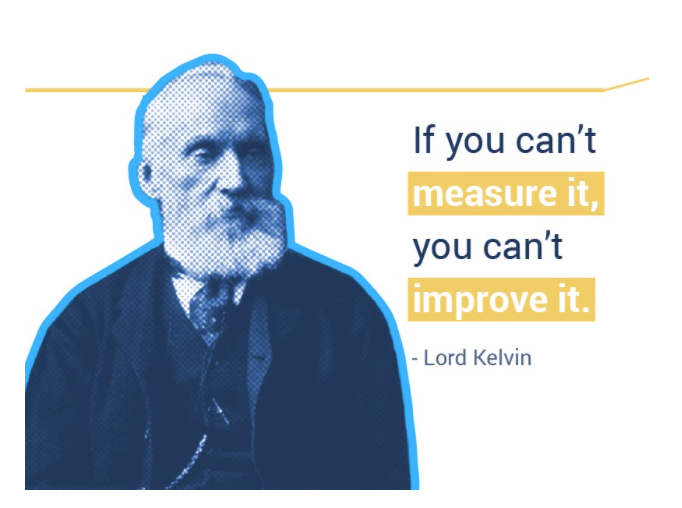
That’s why it’s crucial for sellers to explain exactly how they plan on using information about the goals, measurement methodology, the measurement data itself, what they intend to achieve, and why any information being sought by the vendor will only serve to help the marketer. Laying this out in very specific terms will earn the marketers’ trust and get them to share, which should enable all boats to rise, especially the marketer’s boat.
So what?
The bottom line is that marketers BS vendors because of a lack of trust.
But if sellers can earn that trust, they stand a better chance of getting marketers to open up and building a much healthier, trust-based relationship that can be mutually beneficial. Here are a few tips for sellers:
- Be forthcoming yourself. Trust me, it shows.
- Demonstrate that you understand their specific needs and can help solve them.
- Always take the “help me, help you” approach when making asks. And be specific on HOW you plan on helping the marketer.
Sellers, remember that trust, honesty, and empathy go a long way. And marketers, recognize that most folks in this industry have good intentions and are just trying to help you harness their offerings to achieve mutual goals.
And voila! We’ll all be better off with a little bit less BS!
Follow U of Digital (@UofDigital) and AdExchanger (@adexchanger) on Twitter.