
Madhive Acquires Frequence In A Push For Local Omnichannel Budgets
TV-focused demand side platform Madhive acquires Frequence, an omnichannel marketing platform with roots in broadcast TV. Both companies have a foothold with local advertisers.

TV-focused demand side platform Madhive acquires Frequence, an omnichannel marketing platform with roots in broadcast TV. Both companies have a foothold with local advertisers.

E.W. Scripps becomes the first CTV publisher to adopt OpenPass, The Trade Desk’s single sign-on product for user authentication.

Contextual ad platform Seedtag acquires Beachfront, a supply-side platform that specializes in TV and video.

Inspire Brands, the fast-food franchise that owns popular chains such as Dunkin’, Sonic and Arby’s, is rewriting parts of its TV playbook to better manage reach and frequency in streaming media campaigns.

As more ad spend shifts to CTV, there are new opportunities to make errors with campaign delivery. To help address the issue, Zeev Neumeier, founder of Inscape Data, is launching a new venture called GraySwan.

To some degree, the digitization of TV marketing is inevitable. But there’s a limit to how much TV ad buying should digitize, according to Needham’s Laura Martin.

Telemundo wants to score bigger ad budgets by proving it can target ads to a multicultural audience in ways that drive real results. It’s also trying to reach more Gen Z by investing more in streaming distribution.

Remember back when Netflix insisted it would never run ads on its platform? Well, not only does it now have 40 million MAUs for its AVOD tier, it’s also launching an ad tech platform.

Warner Bros. Discovery had the most to prove during this week’s upfronts. So, the company used its upfront stage on Wednesday to showcase a new suite of ad products.

During Disney’s upfront event on Tuesday, just hours after Amazon’s, the Mouse House couldn’t hold back on pitching its content and advertising prowess. Sports was a big highlight.

Amazon kicked off its first-ever upfront event with advertising right out of the gate, including pitches about its scale, shopper data and content, particularly its sports programming.

TelevisaUnivision used its upfront stage to remind agencies and advertisers that Hispanic audiences drive business results. It shared ways buyers can work directly with it for targeting and measurement, plus new video currency options for media transactions.

Actors, musicians, dancers and comedians vouched for the value of NBCU media in between flashy performances and trailers during the programmer’s TV upfront. But about advertising, NBCU execs barely made a mention.
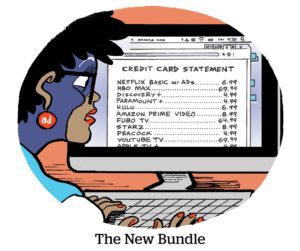
Warner Bros. Discovery (WBD) broke the trend of streaming publishers reporting positive gains last quarter. But it’s slowly gaining subscribers, and expects bundling and global expansion to help speed up traction for its streaming service, Max.

For Magnite, the biggest growth opportunity lies in supply-path optimization. The trade-off is the pressure to differentiate itself from other supply-side platforms competing for agency deals.

PubMatic has its supply-path optimization initiative, its strategy to introduce direct deals for CTV and online video, to thank for its quarterly revenue growth.

Disney Advertising links up with Walmart Connect to let advertisers match Walmart’s and Disney’s first-party data for audience-based bids on Disney+ and Hulu inventory.

Disney is on track for its combined streaming offerings to reach profitability by the end of this year. Continued growth will hinge on bundling its streaming properties and its management of sports media.

Amazon unveiled three new interactive ad units for Prime Video, all of which are shoppable, ahead of its TV upfront debut.

NBCUniversal’s upfront pitch centers on advanced audiences, attribution and the fact that it built Peacock with advertising features baked in, rather than retrofitting it to support an AVOD model (unlike newer entrants to the ad-supported streaming competition).

Using Samba TV’s ACR data, StackAdapt is launching two features to help clients attribute and forecast incremental reach directly to streaming, compared to linear alone.

TV buyers predict that streaming publishers will heed their demands for greater flexibility, more programmatic execution and improved measurement during this year’s upfront season.

Paramount Global is reeling from shareholder pushback against a pending merger with private equity-backed production company Skydance Media. In the meantime, it’s hoping to impress advertisers with streaming subscriber and advertising growth.
Google used its NewFronts stage to unveil updates to DV360 that should make it easier for advertisers to manage campaigns across Google and other connected TV publishers.

The IAB projects digital video ad spend will rise to $63 billion in 2024, representing a 16% increase from last year. Of the three video ad categories the report breaks out (social and online video and CTV), the clear winner is social video.

Netflix grew its overall revenue by 15% year over year, largely driven by account growth, thanks to anti-password sharing tactics. It also unveiled new ad measurement options for advertisers.

Moonbug Entertainment, a content studio whose portfolio includes kid favorites such as CoComelon and Blippi, is trying to bring some form of ad measurement to children’s content through a new partnership with iSpot.

YouTube announced a new feature that allows advertisers to buy ads within YouTube Shorts specifically for particular content categories.

Television commerce, or T-commerce, is similar to shoppable TV: both refer to buying something you see on television. But shoppable TV is far more nascent – and also has different implications on attribution.
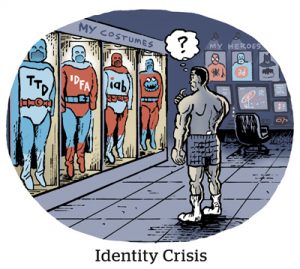
Yahoo is expanding its identity solutions to CTV media to make it easier for digital marketers to incorporate CTV within their digital media plans.