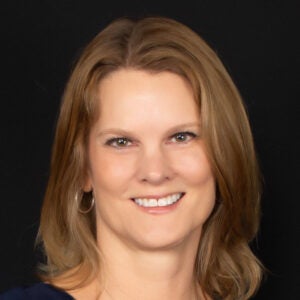
After 25 years at BBDO, John Osborn jumped to the media side as the US CEO of OMD last year.
He joined the media agency at a time when it was trying to bring content closer to media, and parent Omnicom was encouraging more collaboration among its agencies.
“The work we’re doing creatively has to be rooted in who we’re talking to, how they go about their lives and how we can engage with them,” he said. “Creative in a vapor doesn’t do anything. It’s got to be connected to media.”
In addition to bringing a creative perspective, Osborn navigates the agency through a quickly evolving landscape of technologies, buying methods and client demands. OMD, which launched in 1996 as a media-buying agency, is trying to evolve into a more well-rounded marketing agency as clients’ needs shift.
“We’re not a media-buying shop,” Osborn said. “We’re a full-service marketing agency.”
He spoke with AdExchanger.
AdExchanger: Why did you move to the media side?
JOHN OSBORN: I went through a few years when media was bookended on the back end of the presentation. In many instances now, it’s the starting point, because media is closest to the consumer.

We know so much more today with the tools and capabilities we have. We can aggregate data and blend it together to make decisions on behalf of our clients.
How are you helping creative agencies think about media?
We take an audience-first perspective to targeting, but we also look at behavior. It’s not only the cold hard data but the cultural cues.
Omni, our precision marketing platform, understands empathy. It understands how empathy can be used to move audiences forward. It’s as advantageous to a creative agency as it is to a media agency.
Are you using Omni?
We’re using it with some clients. It’s being rolled out.
How closely do you work with groups like Annalect and Resolution on the digital side?
Annalect is family. A lot of them sit in our office. That’s the way business gets done these days: People roll [up] their sleeves and do it together.
We’ve evolved from an iterative approach to an integrated approach. Our buyers are involved upfront in understanding strategic [data and technology] decisions. Data and analytics are not in some corner of the office; they’re infused in the client engagement.
Where are your clients pushing you to change?
Our clients want better decisions faster, but they want simple solutions. There’s a tendency in this industry to talk over with all of the media jargon. We need to do that, to a certain degree, because there’s a level of expertise we have to bring to the table. But more often than not, I hear from clients that it’s confusing.
I can’t tell you how many times a client has said, “We need to pivot hardcore into the digital space, but” — and there’s always a ‘but’ — “we’re seeing a good return on our TV spend.”
It’s not either-or. It’s, figure out the right mix. Help me sort through all of that complexity.
How are you navigating a changing TV landscape?
We’re moving from a channel-led to an audience-led approach.
In the old world, we used to blast a story out and assume it would achieve a certain reach and frequency. Now, it’s one thing to have a story, but you have to constantly build on it. In programmatic, where you’re taking assets and in .001 seconds putting it into a message, that requires a level of story building to the likes that we’ve never seen before.
It’s about understanding the customer, the customer journey and the signals and cues. Having more capability to understand those signals — the hard data signals as well as cultural insights – is an important shift.
Forrester recently called out OMD for relying too heavily on buying clout. Do you agree with that?
I would disagree. We didn’t participate in the survey. Everyone is entitled to an opinion. That’s not the OMD I’ve come to realize or our clients have come to realize. It’s a shame that we didn’t have an opportunity to talk to them more.
This interview has been condensed.