

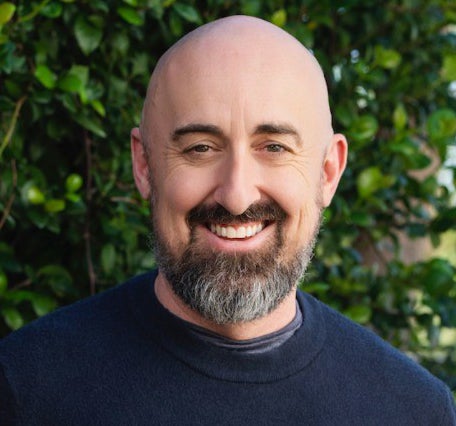
When Tony Stubblebine became CEO of Medium in 2022, the online publishing platform was losing more than $2.5 million each month, shedding subscribers and struggling to find a clear product-market fit.
The situation was dire, Stubblebine says on this week’s episode of AdExchanger Talks.
“It was doing terribly,” he says matter of factly.
Stubblebine led a turnaround by fixing Medium’s content quality issue – it had become a platform dominated by low-quality clickbait – and implementing deep cost-cutting measures, including layoffs, trimming server expenses and restructuring investor loans.

After years of losses, Medium reached profitability in the summer of 2024.
Stubblebine steadied the company while keeping the platform ad-free, focusing instead on growing subscriptions and refining the product. He never considered turning to advertising, even though it’s a low-hanging fruit for generating revenue.
Why? Because ads are a slippery slope. The design decisions a company makes are directly related to how it monetizes, he says. Just look at social media, which is almost completely funded by advertising.
“That’s what we call the attention economy,” Stubblebine says. “The incentive structure is like, the more you can drive attention, the more ads you can show, the more money you can make, the healthier your business.”
But the end result of that cycle is often negative, Stubblebine argues. The evidence is all around us.
“Just personally, I don’t want to see more really angry, emotional content that drives division,” he says. “Often, it’s just so much clickbait, ragebait – all that. … We thought the opportunity is for us to offer an alternative.”
Also in this episode: The importance of “white hat” marketing, the challenge of maintaining quality content amid the rise of AI-generated slop and why high-quality, human-created writing isn’t just important for audiences today; it’s essential fuel for training the AI models of tomorrow.







