


There are a lot of misconceptions about ad measurement.
Some marketers believe media mix modeling is superior to multi-touch attribution or that it’s possible to pinpoint the exact impact of each marketing touch point on sales. (Neither is true.)
But the biggest thing most marketers are wrongheaded about is in thinking there’s a single solution for attribution.
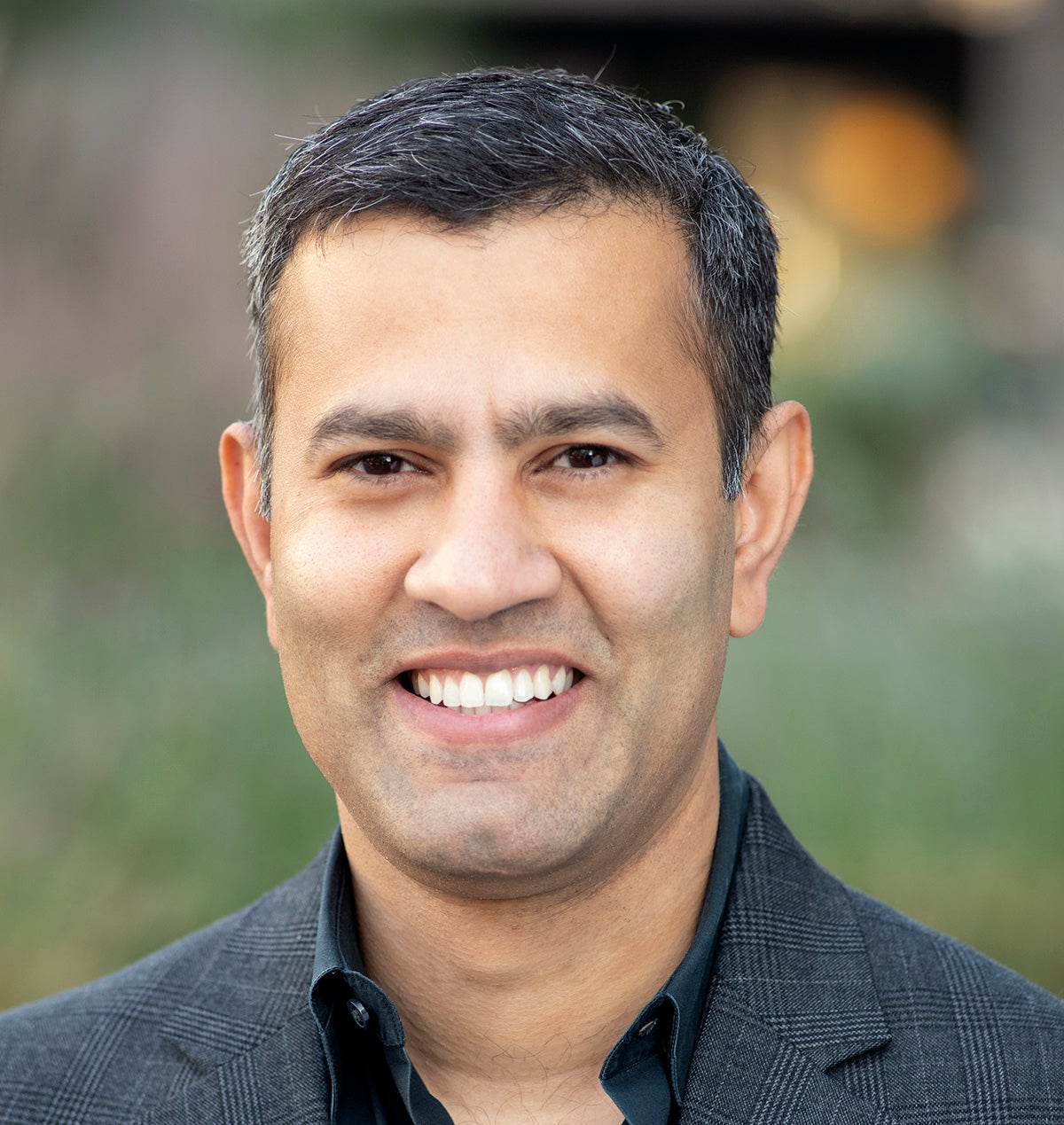
It simply doesn’t exist, says attribution expert Madan Bharadwaj, on this week’s episode of AdExchanger Talks.
“There is no one technique to rule them all,” says Bharadwaj, who founded M^2 (pronounced M-Squared) in 2022, a measurement startup focused on advanced marketing attribution solutions.

Before that, Bharadwaj co-founded media effectiveness startup Measured and was VP of product management at attribution vendor Visual IQ before the Nielsen acquisition in 2017, where he helped launch the first algorithmic MTA product.
“You have to bring [multiple approaches] together,” he says. “The magic or the mystery is in how it comes together for your brand.”
There’s no single method that can account for all factors because, fundamentally, measuring the effectiveness of advertising is about measuring the complexity of human behavior.
“We can only understand human behavior to a certain level of precision,” Bharadwaj says.
If, for example, you measure the effect of media on behavioral patterns through an incrementality test or if you make estimations through a regression model, like MMM, you will get similar answers, Bharadwaj says, “but not exactly the same answer.”
Which is why marketers should triangulate measurements from multiple sources before making any single investment decision.
“That is an important concept that’s slowly beginning to take root in the industry,” Bharadwaj says, “that there is no one source of truth.”
Also in this episode: Base attribution vs. advanced attribution, whether marketers can trust platform-provided measurement (sort of, not really), how to accurately benchmark media channels. Also: Spitballing attribution-themed cocktail names. (Anyone care for a refreshing “Incrementality on the Beach”?)
For more articles featuring Madan Bharadwaj, click here.







