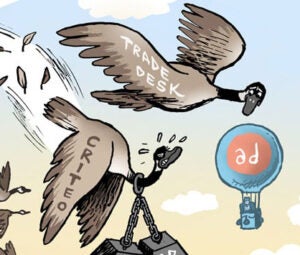

Safari tracked down the trackers.
In a blog post this week, it confirmed what industry insiders already knew: Apple broke identity resolution companies’ ability to track users on the Safari web browser.
The move is just the latest in the cat-and-mouse game between Apple and advertising companies. Cookies with short expiration dates in Safari became blocked altogether. Apple also fought back against CNAME cloaking and other ways to triangulate identity without cookies.
To talk through Apple’s decision from the perspective of an ad tech and cybersecurity researcher, we bring on Zach Edwards, the founder of DecryptAds.
Apple has the upper hand.
“It’s a cat and mouse game,” Edwards says. “And the cat can see basically everything the mouse is doing, and is just slowly putting their pieces in place to block that mouse in whatever escape route they’ve planned.”

While there are technical workarounds that might work – for now – to avoid Apple’s identity resolution blocking, he doesn’t see anything as being unblockable by Apple. Ad tech needs to get serious about consent and safer identity schemes.
AI slop, monetized
Then, we turn to Decrypt Ads’ recent report on 2,100 AI slop sites that, predictably, forged connections to programmatic ad supply.
Brands might not have expected that they were buying ads next to perplexing, AI-generated recipes purported to be written by fake chefs or other doctored authors. While there is a healthy debate about the value of AI-generated content, Google Search, for one, has come out against “deceptive authorship,” such as content that tricks readers into thinking they’re reading something by a person, not a robot.
When it comes to ads showing up in unexpected places, ad tech has seen this movie before. From made-for-advertising (MFA) sites to toolbars to ad fraud to all manner of content farms, there are plenty of websites built to profit off display ads without making an investment into quality content. But while the game is familiar, AI slop will present its own unique challenges, Edwards warns.
”MFA websites are growing much faster than people are slowing them down,” he says.