 “Data Driven Thinking” is written by members of the media community and contains fresh ideas on the digital revolution in media.
Today’s column is written by Sacha Xavier, Partner, Media & Innovation Director for Neo@Ogilvy.
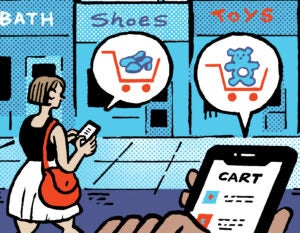
One day I came to work and realized that everything had changed. My branch of the industry had upgraded from the back of the agency bus to business class. Gone are the days being asked “So you put pop-up banners online?” Now, friends and family pick my brain on how ad-serving technology works because they’re considering investing in a related company, or because they’re trying to figure out how Pottery Barn knew they liked those napkin rings. All of a sudden, what was once a small industry commands the attention of Fortune 500 companies – and many industry players have even become Fortune 500 companies themselves.
Still, in spite of all the newfound recognition, I still often hear the same questions. With the granularity of targeting that ad tech now makes possible, many clients want to know: Are we buying actual people or just data?
Your average digital media professional has to understand so much more about technology than your average traditional (TV, print) guru. We need to embrace ad tech. But we also need to understand who we’re hugging it out with. There is no Ad Technology for Dummies, but the LUMAscape slides that the industry often references attempts to bucket many companies. Behind those companies, agency teams try to keep our clients from being derailed by all the complexity.

Here is a real example of how one ad tech company attempted to explain what they do (with slight changes to protect the offender’s privacy): We “have developed a powerful data platform combined with a robust set of activation tools to create and build private, white-labeled, data-centric eco-systems. We drive innovation, data capture and customer engagement.” This is a nice vision statement but doesn’t provide a pithy explanation of what they can do for my business.
Ad tech isn’t about being a spy; it’s about showing a woman who’s reading style.com an ad for makeup, while not showing the ad to a 15-year-old boy, even if he’s on the same site. It can be complicated to those of us who live and breathe it. When educating clients and agencies about technology, we as an industry need to consider making the following adjustments:
- The “how it works” story needs to be smooth and simple. Agency and sales people should have this down pat and should be able to explain their technology without sighs or hesitations.
- Highlight privacy. Let’s face it: Everyone – from agencies to clients – is scared that adding this magic ad tech sauce will create a privacy issue for the brand and frighten off consumers.
- Don’t be afraid to define everything. People aren’t born knowing what attribution modeling is, or the difference between first- and third-party data (which varies according to who’s talking).
- Ad tech to consumers is like antibiotics to the flu. Savvy consumers try to avoid some targeting technologies, while tech companies oftentimes have to halt advancements, particularly when they get absorbed by other companies. Evolve your technology as frequently as necessary.
- Beta test before you start selling. Find a brand that’s willing to participate, offering the use of your added-value technology for free in exchange for helping you iron out any kinks.
- Build ad tech around needs. There are some great technologies available that may not be solving any real problems. What do your clients need? What’s keeping them from finding more potential customers?
If you do all of these things, the CMO should be dancing in his or her seat. These are the things that make advertising great instead of complicated and scary. There are no longer fundamentals in ad technology. And that means an exciting forecast for marketers – and fewer Viagra ads for a girl like me.
Follow Sacha Xavier (@sachaxavier) and AdExchanger (@adexchanger) on Twitter.