“Data Driven Thinking” is written by members of the media community and contains fresh ideas on the digital revolution in media.
Today’s column is written by Bill Schild, SVP of US Marketing at Specific Media.
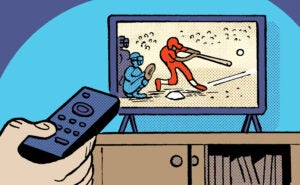
The smart TV market is on the cusp of explosive growth. In 2012 the number of US homes with connected TVs grew more than 25% to nearly a quarter of all US households, according to an eMarketer study.
With the rise of smart TVs, customers can choose how and when they want to enjoy digital video content, making them more engaged and aware than traditional TV viewers. Changing purchase trends and consumption behavior in the TV space offers brands unique ways to engage with captive audiences through a variety of connected TV advertising opportunities. Despite this, many advertisers have yet to harness the full power and reach of smart TVs. The slow adoption of connected TV advertising is driven by two main issues: the lack of industry standardization for advertisements and limited content available on smart TVs.
But before I delve further into those challenges, let me talk a bit more about the potential of connected TV advertising and why marketers should care about this missed opportunity. Smart TVs are being embraced by a savvy and diverse group of consumers. The growth of US homes with Internet-connected TV, rather than cable or satellite TV, is evidence that consumers’ approach to digital viewing parallels their Internet attitudes; consumers expect to find and access everything where and when they want it. Meanwhile, the popularity of subscription video streaming apps such as Hulu and Netflix has given rise to new ad-supported services ideal for consumers who don’t mind watching ads in exchange for free and good digital content.

In addition, many consumers are using smart TVs for apps more traditionally accessed via PCs and tablets, such as social media. Because of this, connected TV advertising is more like online search ads, which are targeted to customers exploring their options, making them more receptive to the advertising message. Connected TV advertising will allow advertisers to build out traditional campaigns to extend their brand and employ more creative ways to make an impression on the consumer. This could signal a potentially impressive return on investment for advertising, especially when linked to premium content such as live sporting events and concerts.
Consumers’ shifting attitudes toward online video and the rise of smart TVs combine to create a new market for advertisers to reach potential customers. However, there are a few major hurdles that the industry needs to overcome.
Most critical is the lack of standardization in how ads are embedded across the many platforms that consumers use to connect their TVs to the Internet. The connected-TV market is also fragmented across different device types, such as smart TVs, game consoles, Blu-ray players and set-top boxes – and each device category includes several CE manufacturers. Due to this fragmentation, advertisers must develop multiple creative formats and work with multiple vendor partners for a single connected-TV advertising campaign. This can be costly and time-consuming, especially for a campaign with ROI-tracking challenges.
The lack of premium content and apps that spark greater usage of connected TVs also has slowed widespread acceptance of connected-TV advertising. Currently, consumers use smart TVs to perform a limited number of activities like watching movies and television shows on demand, listening to music and gaming. In a study by Parks Associates, 80% of smart-TV owners regularly use apps, with 43% of those apps used to watch video and 45% to play games. So while the market for smart TVs is growing, there isn’t enough content available to drive widespread use of smart TVs.
Nonetheless, the smart TV market is poised for tremendous growth. As organizations like the Smart TV Alliance help set standards, and as content is developed, it’s imperative for advertisers to consider the highly active, engaged nature of the digital consumer. Agencies, media buyers, cable providers, CE manufacturers and brand advertisers all have a major stake in the success of connected-TV advertising. While this segment is now just in its infancy, it offers huge potential for advertisers who understand that connected-TV users will watch ads in exchange for access to a virtually limitless world of digital content.
Follow Specific Media (@SpecificMediaUS) and AdExchanger (@adexchanger) on Twitter.