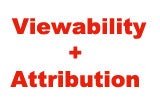
 Ask a random digital ad buyer how she feels about the shift to a Viewable Impression standard and you’re likely to get an upbeat response. But she may not realize the efficiency and cost savings that come from buying only in-view ads can mask a significant problem on the reporting side.
The issue is this: Even if an advertiser is paying only for in-view impressions, those junk ad placements can continue to fire view-through cookies, earning credit for the ad in post-conversion attribution. In a sense, it’s no different from the display ad view-through debate that has been raging for years (Did the user really see my ad?). But with viewable impression tracking, buyers may not realize the below-the-fold ad that was never seen or paid for could still generate a “false positive” in their attribution models.
C3 Metrics talks about this in a white paper out today. COO Jeff Greenfield writes, “Just because brands and agencies might not pay for an unviewed impression doesn’t mean that cookies won’t be set, and when cookies are set, display ads not actually displayed will receive credit. Thus, expect that the post-viewability world will focus on a new question: how do we ignore unviewable impressions and assign credit only to viewable impressions?”

Wells Fargo Securities analyst states in the paper, “Unviewable impressions fundamentally distort ROI analysis…taking credit for consumer actions, despite never providing opportunity to be viewed.”
But wait, you say, isn’t this already being solved by the availability of “pre-bid” data feeds from ad verification companies? In theory such feeds could prevent advertisers from ever bidding on inventory unlikely to be in view. No-bid-placed means no-ad-served, and no-ad-served means no-cookie-fired. Right?
Not exactly, according to Greenfield, who says there will continue to be a significant number of non-viewable impressions. He tells AdExchanger, “All you’re looking at with ‘pre-bid’ is what just happened 30 seconds ago” and the accumulation of impression factors including publisher, ad type, page position, and so on… At least over the next two years there’s going to be a lot of unviewable inventory out there.” (More on ‘pre-bid’ verification)
It’s a complicated problem, since agencies are working with comScore showing tens of millions of daily impressions with cookie IDs — and trying to map those impressions to conversions. To solve it, ad viewability must be baked into the ad serving and tracking system – something that (no surprise) C3 says it can address.