

CTV ads are getting more targeted. But are people even paying attention to them?
Streaming services that monetize with ads must prioritize engagement first and foremost. But programmers and investors alike name engagement as one of the top challenges in making a profitable CTV business.
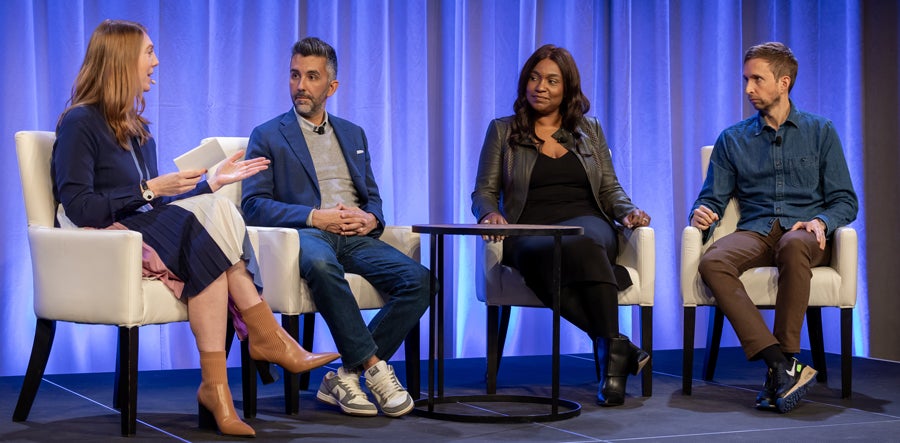
A big part of the problem is that many consumers turn to a second device while streaming ads are served, said Leo O’Connor, SVP and head of programmatic advertising at Paramount Global, during CTV Connect in New York City on Wednesday.
And it certainly doesn’t help that most major streaming apps have increased their ad loads over the past year, which isn’t garnering the right kind of attention.
As programmers, “we need to do a better job of keeping people engaged with the content they watch,” O’Connor said. For an ad-supported streamer, the average viewer duration going up can be more profitable than adding more net new subscribers, because it means so much more ad supply.

Programmers must balance their ad loads with new consumer expectations. But that’s a difficult feat, considering viewers have an especially low tolerance for ads. They’re already paying for pricey subscriptions and are accustomed to ad-free streaming.
So programmers must get creative.
Now you see it …
The trick is to make the streaming viewer experience feel minimally interruptive.
One way that programmers can pare back total commercial time without cutting too deep into supply is by serving more ads when consumers are more receptive to seeing them.
For example, Warner Bros. Discovery tries to shorten ad breaks during prime-time hours for a better user experience when more people are likely to be watching something, whereas less popular viewing times might have larger ad loads, said Evan Giamanco, SVP of ad strategy and innovation.
Managing ad load “has a lot to do with time of day,” Giamanco said, noting that WBD’s average ad load for Max hovers close to five minutes per hour (whereas the linear standard is about 18 minutes).
Ad volume also depends on what type of content someone watches.
A higher ad load is less tolerable during a two-hour movie, for instance, whereas a 30-minute TV show is produced with breaks for more ads, said Danielle Brown, SVP of data enablement and category strategy at Disney Advertising.
But regardless of content or time of day, programmers should try to collapse or skip ad breaks if there isn’t enough demand to fill a pod, O’Connor said. Blank screens or a “we’ll be back” slate is a common viewer pet peeve that publishers should avoid when they can, he said.
… Now you don’t
Another trick is to lower the perceived ad volume while maintaining the number of ad pods.
Ad creative and formats that go beyond 30 seconds are becoming more popular because they don’t feel like ads, and thus they draw higher viewer engagement.
Advertisers are also more interested in sponsoring content, which reduces the number of commercials a viewer sees, he said. Binge ads are popular for a similar reason: Advertisers are essentially sponsoring a shortened ad break, which can help raise brand favorability.
Clickable product ads or ads with QR codes can also be an engagement starter. For example, Disney beta-launched a new shoppable ad unit in January that lets viewers send product info to their phones, which incentivizes them to reengage with a brand in a separate channel.
An array of new ad formats will help with engagement, but that doesn’t change the fact that marketers care more about targeting the right audience than they do about the exact placement of their ads, Brown said.
The problem with newer ad formats is that there still isn’t an industry benchmark for performance and measurement, which complicates campaign planning and, as a result, targeting.
To create their own performance benchmarks, Giamanco said the next phase of the streaming wars will be programmers in “an arms race for data.”
Godspeed.







