Consumers And Brands Crave The Human Touch; Google Gets Sued (Again)
Human-made creative is in again; The Atlantic accuses Google of (another) monopoly; and it turns out brands like to have a say in their sponsorships.
Tylenol maker Kenvue navigates pushing back against the Trump administration’s claims; viewers of Nobody Wants This are tired of product placement; and US Census data might become less privacy-safe.
Alvaro Bedoya shared his qualms with digital advertising’s more controversial targeting tactics and how kids use gen AI and social media.
Delivery apps are launching social networks now; Google is the latest Big Tech company to write a huge check to Trump; and ad agencies of all sizes apparently aren’t big enough.
YouTube backpedals on banning COVID and political misinfo; Tylenol pushes back against Trump’s claims that it causes autism; and Disney doubles down on linear TV and raises Disney+ prices after its Kimmel boycott threat.
Jimmy Kimmel Live has been suspended due to comments on Charlie Kirk; Samsung is bringing ads to your fridge; and TTD eliminates the Programmatic Table.
Ride-hailing app company Curb Mobility is bringing TikTok’s user-generated content to Taxi TV, its network of more than 15,000 in-taxi screens across 65 US markets.
Critics say the FTC’s deal with OMG/IPG prohibits agency practices that don’t exist. And it distracts from legitimate concerns about brand safety news blocking and principal media.
Do Google AI Overviews really bring exposure to more websites?; Meta considered an all-ad Instagram feed; and agencies are cautiously optimistic even as tariff concerns threaten upfronts season.
Temu’s US ad spend grinds to a halt; Publicis posts a strong Q1; and creative personalization tech is back in vogue.
The Trump tariff situation is in constant flux, creating uncertainty that spells doom for any potential growth in US ad spending this year. Plus, how retail media and other emerging channels could be threatened by tariff turmoil.
Forecasters expected tariffs would impact advertising growth projections. But that was before we knew exactly how steep these tariffs would be – and now that we do, it doesn’t bode well.
No punches pulled in another Senate hearing on Big Tech’s excesses; Nielsen’s lawsuits accusing competitors of IP infringement keep getting dismissed; and investors grow wary of Reddit’s closeness to Google.
Meta introduces new ad placements, promo opportunities and AI prompts; an influencer campaign prompts right-wing influencers to oppose RFK Jr.’s soda crackdown; and transcription platform Otter launches an AI assistant.
The Trade Desk’s weak Q4 emboldened the company’s critics; DOGE’s cuts to federal agencies are hurting ad agencies; and President Trump fires the two remaining Democratic FTC commissioners.
Oracle’s TikTok bid is a warmed-over Project Texas; Amazon’s ads biz has its sights set on Google; and gen AI search is a good traffic source for retailers, but bad for news pubs.
What’s in the tea leaves for the FTC’s new chair Andrew Ferguson, who took over in January? Kyle Kessler, a partner at Womble Bond Dickinson, weighs in.
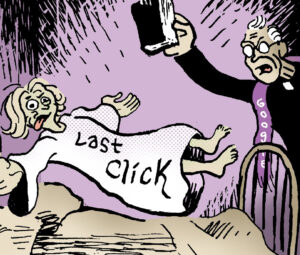
Why Google Demand Gen is struggling to grow; embattled web browser extensions test the limits of last-click attribution; and the State Department demands diplomats cancel their news subscriptions.
Spotify faces obstacles in its ticket sales aspirations; Apple switches to view-through attribution; and The Washington Post and Meta remove ads that were critical of Elon Musk.
Netflix’s programmatic platform is a tough sell in Europe. Plus, awkward euphemisms makes marketing for sports gambling a problem.
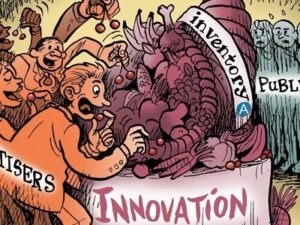
P&G pumps the brakes on paid media and turns to product innovation to drive growth; with TikTok’s fate unclear, Snap and Reddit offer credits for new advertisers; and brands are following news audiences and journalists to Substack.
Sports betting comes under fire over dubious ad claims and problematic targeting; Forbes says Google’s SEO crackdown on affiliate marketing caused it to cut freelancers; and SCOTUS takes on the TikTok case.
Ad industry growth will slow to single-digits next year; consolidation hits the CPG market; and predicting the future of the FTC based on a commissioner’s pitch to the president-elect.
Ecommerce and DTC marketers may be overrelying on YouTube and Meta for advertising. Plus, song recognition technology is becoming a problem.
It’s been tough going for enterprise SaaS companies since 2021. Plus, the EU’s top antitrust watchdog is pulling back from the regulatory beat.
Meta changes policy on “sensitive” ads; Texas AG launches an investigation into GARM; and the CMA takes it easy on Apple and Google when it comes to cloud gaming.
The odds of RFK Jr. implementing a ban on TV drug ads are slim, says our guest this week, BranchLab’s Josh Walsh. Still, pharma advertisers could face other regulatory changes over the next four years. Plus: We break down Forrester’s picks for the top 10 SSPs.
Driverless vehicles could become the next hot media channel; FDA reveals new ad guidelines for drug manufacturers; and artists come up with new ways to sabotage generative AI.
Why the agency pivot to alternative payment models is good for M&A; Zeta Global responds to a short-seller’s explosive claims; and X sees a mass exodus after the election.
One priority for Republicans once Donald Trump is back in the White House is to reduce regulation and, specifically, to replace FTC Chair Lina Khan. Plus, Microsoft Bing has a new claim to relevance.