“On TV And Video” is a column exploring opportunities and challenges in advanced TV and video.
Today’s column is written by Lance Neuhauser, CEO at 4C.
Marketers have long pined for more accountability within their television budgets, and now that accountability is at last coming to fruition.
By transacting on audience impressions, buyers and sellers can provide consistency of measurement. But we must stop short of creating an automated open auction to bid on such impressions.
Instead let’s create an ecosystem that enables the ease and precision of digital buying while protecting the value of uniquely premium content and a more engaged user experience.

The benefits of closed ecosystems
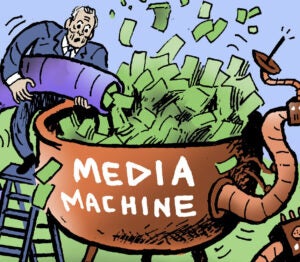
The rapid shift to programmatic open auctions on the open web over the past decade has commoditized online content in a way that has been devastating to most publishers.
Back-tracking has proven difficult. Brands and agencies have become accustomed to the new democratized modes of media buying on the open web, and few publishers – with the exception of some super-premium properties – are having much luck convincing marketers to revert back to premium direct buys. Consumers have also become accustomed to free content, and only the most premium properties can command sustainable subscriptions. It will take time for the pendulum to swing back to a point of equilibrium.
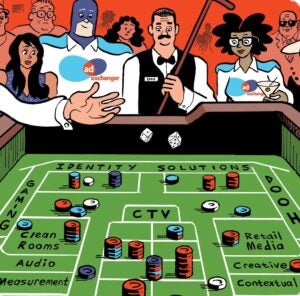
Fortunately, TV hasn’t let the horse out of the barn yet. Rather, networks are wisely applying principles that have greatly benefited closed ecosystems over the past decade, ensuring that their premium content retains its value among buyers even as buying mechanisms shift. The future of TV is shaping up to be all about direct APIs from inventory owners to select DSPs, where private marketplaces are created to transact on common currencies using strategic audiences, including first-party and third-party data, with closed-loop tracking to measure business outcomes.
These are the indisputable benefits of the emerging closed ecosystems of convergent TV, which combines digital’s targeting, personalization, attribution and performance with television’s sight, sound and motion, audience and brand-safe inventory. As long as convergent TV can deliver on this promise, marketers will happily pay the premium to access it.
The walled garden dynamic has been controversial in digital publishing, but the closed ecosystems of convergent TV shouldn’t inherit these negative connotations. The lesson of the digital walled gardens is one of balance and intent. Yes, walled gardens can protect their proprietary interests to the detriment of accountable measurement. But to the extent that enclosures preserve the premium nature of CTV content, they will create the marketplace conditions for a fair value exchange.
Safeguarding the value of content
Look no further than the recent bidding wars over the global streaming rights to “Seinfeld” for further proof that convergent TV can avoid the open web’s pitfalls. The “Seinfeld” example is evidence of a continued shift from a single-minded focus on pure audience toward an appreciation of content and its ability to drive value.
On the open web, marketers over-indexed on the value of audience and didn’t pay nearly enough attention to the content next to their ads. This created a disjointed experience for consumers and degrading results for brands. Subscription-based platforms such as HBO Max and Disney+ and hybrid subscription/ad-supported platforms such as Hulu and Peacock are an effort by media companies to prevent the content devaluation that began when publishers poured their inventory into open web auctions.
Across the board, marketers are realizing that not all content is created equal. Audiences still matter, but it’s the right match of audience and content that delivers maximum value to both publishers and brands. Open web publishers are struggling to regain their footing and reposition their offerings in a way that recognizes this reality. TV networks can enviably learn from these mistakes before they journey down this path.
Linear TV always emphasized the value of content, while open-web digital emphasized the value of precise audience targeting. Convergent TV can merge the best of both worlds – if it plays its cards right.
But we need to be smart about how audience intelligence is integrated into buying systems. Targeting algorithms should not disrupt engagement between audiences and premium content. Amid the transformation in how inventory is bought and sold, networks and studios must focus on creating great content while protecting the user’s experience. That, above all else, will be what distinguishes the winners from the losers in the future TV landscape.
Follow Lance Neuhauser (@LanceNeuhauser), 4C (@4Cinsights) and AdExchanger (@adexchanger) on Twitter.