 LaMusica knows its largely millennial audience likes to snack.
 “It’s very hard to get their attention,” said Jesus Lara, EVP of digital media at Spanish Broadcasting System, one of the largest Spanish-language radio broadcasters in the United States and owner of LaMusica, a free streaming music app aimed at Hispanic millennials. “Our strategy is to give them lots and lots of short-form snackable pieces of content.”
The app aggregates bicultural and bilingual pop culture and entertainment content with a focus on Latin music. After registering with name and email, users can stream radio stations, create curated playlists and watch original short-form gossip, celebrity, game show and infotainment content. A Tinder-like interface allows users to swipe right for related content.
In early October, LaMusica rolled out a swipeable full-screen video carousel which gets refreshed with new content more than 10 times a day. The featured segments are between 30 and 90 seconds long, which LaMusica has found to be the right length to generate repeat engagement.
“It’s just long enough to deliver the message and not bore our users,” Lara said. “We’ve actually noticed that they’ll come and watch some content multiple times, especially the more comedic pieces.”
LaMusica also recently took a snap out of Snapchat’s playbook with the release of vertical video.
“We know from Snapchat that vertical video delivers incremental engagement,” Lara said. “But we also know from our own experience and focus groups that kids simply don’t switch their phones to landscape view. They just don’t do it.”

Although advertising is LaMusica’s primary monetization vehicle, the app is also exploring deeper brand relationships, including a new sponsorship by Boost Mobile. Boost gets shout-outs on social media, during affiliated SBS radio shows and within two of the apps’ short-form original entertainment programs. Users can also follow a Boost branded radio station within the app.
“We want to go beyond just selling digital impressions,” Lara said. “We want to work more closely with brands and create a brand entertainment strategy.”
LaMusica also made the decision to get rid of banners and rely solely on video ads, 15- and 30-second audio ads, rich media and full-screen interstitials.
“Interstitials give a brand 100% share of voice and then they disappear,” Lara said. “We’ve seen significantly higher engagement and click-through rates compared with banners. I think most publishers would agree with me when I say that banners are just a nuisance.”

For the moment, LaMusica is intentionally keeping its ad load low because it’s able to charge a premium for its higher-performing units. It also doesn’t want to turn off users while still trying to grow its fan base.
“We obviously don’t want to bombard them with too much advertising right now,” Lara said. “But we’ve also developed some logic in the back end that identifies each new user as ‘light’ or ‘heavy,’ and we serve an ad load that’s specific to their frequency rate. A light user sees fewer ads. That’s by design.”
The type of content LaMusica is producing is also very much by design. Some is in English, some in Spanish, but it’s all short and meant to be consumed quickly.
“The media landscape is fragmented and media companies need to do a better job of getting their message out to their audience – it needs to be short and sweet,” Lara said. “It also needs to be authentic. In our case, as the millennial Hispanic audience becomes increasingly bilingual, we need to tweak our programming to authentically reflect their lifestyle and how they speak at home. Representing them authentically is of paramount importance to our programming strategy.”
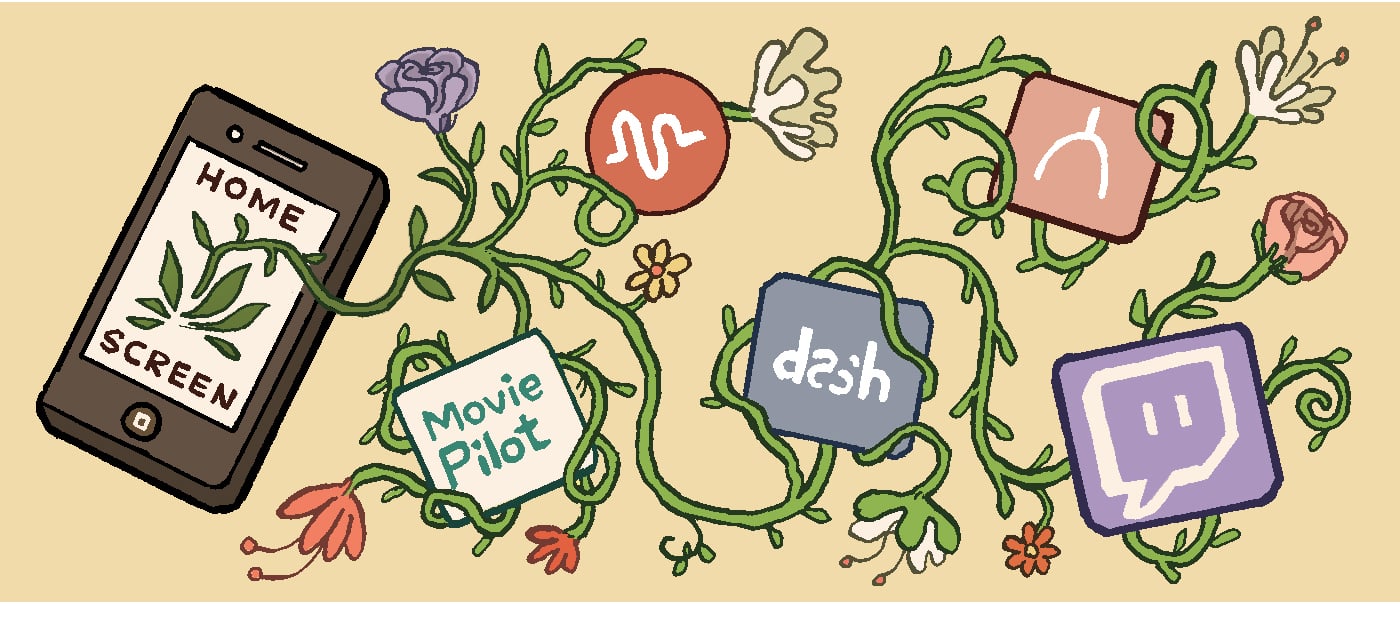
This is the eighth installment of Home Screen, a series of profiles on mobile pubs and apps and the devs who make them (and hopefully make money on them). Read about home décor app Lux, teen voting app Wishbone, wedding planner platform The Knot, lip-syncing app Musical.ly, pop culture magazine Movie Pilot, news app News Republic, laundry startup Cleanly, P2P global shopping app Grabr, kid-friendly chat app Jet.me, driving app Dash, anonymous app Whisper, storytelling app Episode, weather app Poncho, online writing community Wattpad and sticker app Emogi.