
CTV. VMVPD. AVOD. FAST.
Do you have a headache yet?
Sure, streaming video is an economic boom for the TV industry. But it’s also shattering the former simplicity of TV media buying and selling.
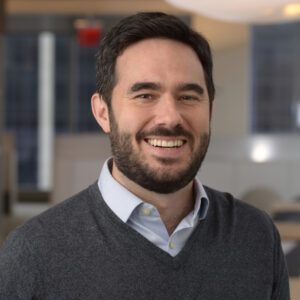
What used to be a primarily direct-sold business is becoming increasingly programmatic, said David Dworin, FreeWheel’s new chief product officer, who was promoted on Wednesday after six years leading the company’s product management and advisory teams.
But fragmentation in TV distribution means it’s only getting harder for advertisers to reach audiences because targeting is getting more challenging and frequency capping is still an issue.
And the problem isn’t going to fix itself: “TV fragmentation is only getting worse,” Dworin said.

At FreeWheel, he said, troubleshooting involves simplifying with more programmatic.
Dworin spoke with AdExchanger.
AdExchanger: Which buy-side needs will FreeWheel prioritize under your leadership?
DAVID DWORIN: One of the biggest things buyers want is an efficient supply path with a high level of transparency.
Advertisers are focused on building up their first-party audience data, but TV ad duplication and inefficiency is making it harder for them to reach a large number of people at scale. Fixing frequency capping and reaching unexposed audiences starts with simplifying the supply path.
Ultimately, the goal is being able to insert addressable ads in all video formats, and then to automate that buying process programmatically.
Does this plan for simplification also include linear channels that aren’t addressable, like data-driven linear (DDL)?
We’re making addressable inventory programmatic because it works more like digital and will be easier to automate.
There are real challenges to making linear addressable programmatic. The industry tolerates a level of failure and dynamism in the digital environment that just won’t fly for linear – its scale worsens the financial consequences of something not working.
Right now, we’re really focused on automation where we can be sure it’ll work. Then, once we build up scale, we can start to gradually build toward bridging programmatic into channels that will be more difficult to automate, like DDL.
What’s the current state of programmatic when it comes to linear TV buying?
Broadcasters with streaming services are starting to package their addressable linear and digital inventory together as a way to pitch broader scale to advertisers. The bulk of these packaged buys are executed through programmatic guaranteed because they mimic upfront deals with guarantees that let publishers control their yield and delivery.
Over time, though, more and more video inventory will move into biddable environments where buyers can win better prices compared with programmatic guaranteed.
When you say biddable, are we talking private marketplaces (PMP) or open exchanges?
Most digital video buys will eventually happen in a PMP because there’s a strong buy-side desire for both inventory curation and transparency. Over time, we also want to enable PMPs for linear inventory, too, but that will take longer.
Either way, the programmatic mix is going to be a combination of programmatic guaranteed and PMPs. The bottom line is about making sure programmatic pipes are efficient and transparent, which means reducing the number of intermediaries along the way that make the process more expensive.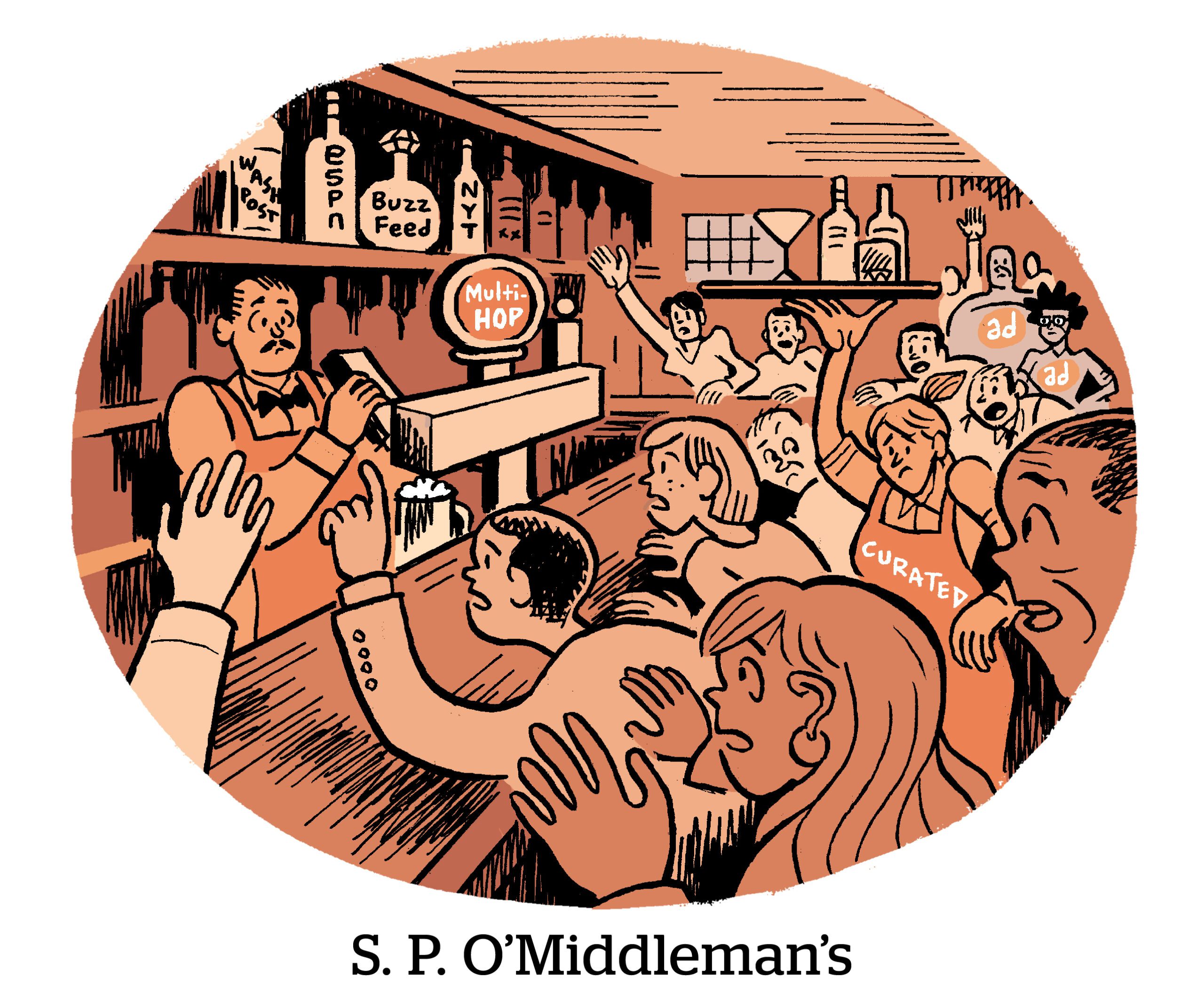
Speaking of intermediaries, how is FreeWheel approaching the trend toward supply path optimization (SPO)?
We’re trying to make more efficient connections between a publisher’s yield and a buyer’s working media.
As part of that, we’re exploring formalizing more agency relationships like the one we recently announced with Havas to shorten the path for buyers to our supply. The shorter that path is, the more transparent we can be with buyers about where their ad dollars are going.
Does FreeWheel consider its integration with DSP Beeswax to be part of its SPO strategy?
Integrating the Beeswax DSP into FreeWheel’s ad server in 2021 allowed us to create a unified platform for both buying and selling. The integration also brought in more unique demand from Beeswax.
What are some of the challenges of representing both the buy and sell sides?
Taking care to ensure that the teams behind both the buy- and sell-side tech are representing the interests of their clients at all times.
Serving both sides means getting more demand to publishers and better transparency to buyers.
SPO is starting to produce winners and losers. What do SSPs need to do to stay competitive in today’s ad market?
There’s still a role for SSPs to help publishers drive more yield into their businesses. I can’t speak for other SSPs, but FreeWheel is designed as a combined SSP and ad server, which we think is a differentiator from other SSPs.
Either way, more direct integrations between the buy and sell side is where the ad industry is headed.
This interview has been edited and condensed.
For more articles featuring David Dworin, click here.