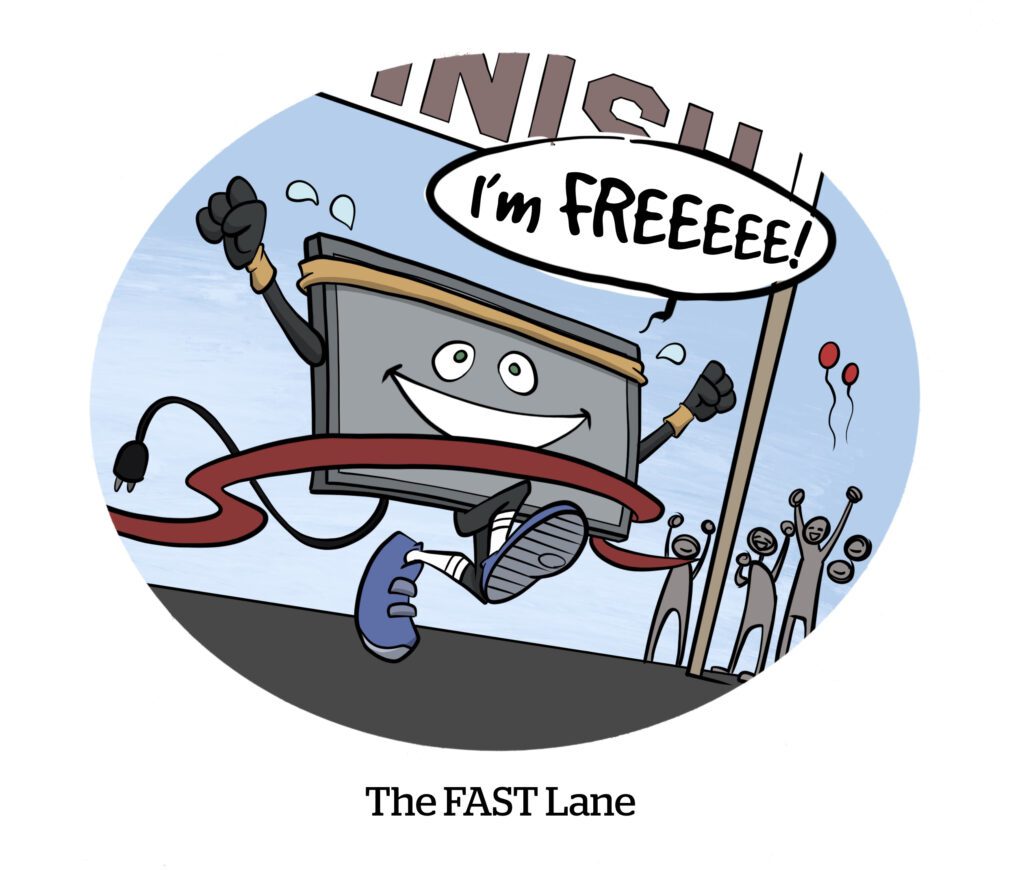
For TV studios and publishers, free ad-supported TV (FAST) channels are a straightforward way to monetize existing content by expanding distribution.
But the more new FAST channels there are, the harder it is for them to stand out to advertisers that have long perceived them as the bargain bin of streaming.
One way to grab the attention of advertisers is to provide the data and transparency they’ve long been asking for from their connected TV partners, said Addy Atienza, VP of programmatic revenue and operations for streaming TV at Trusted Media Brands (TMB) during the AdMonsters Publisher Ops event earlier this week. TMB owns multiple FAST channels that target specific communities, such as DIYers and pet owners.
Specifically, he said, advertisers want more information about the content surrounding their ads, although he didn’t share details about the data TMB shares with its clients. He did, however, say that offering more information to buyers could be a growth driver for FAST channels and help differentiate them from the rest of the CTV landscape.

I need show-level transparency FAST
Show-level transparency for FAST channels and CTV overall has improved, but it’s not quite yet where buyers need it to be.
One reason publishers consider it risky to share data about TV viewing at the show level is because it may violate the Video Privacy Protection Act if that information is tied to an identifier.
Still, there are more ways to anonymize or aggregate data in a way that doesn’t reveal an individual’s identity, which is why publishers have been getting more comfortable providing some degree of show-level transparency in post-campaign reporting.
But buyers want more than post-campaign reporting. They also want show-level data in the bid stream, and publishers have still other reasons for not giving it up.
One is the historical fear among publishers that advertisers cherry-pick inventory, which they’re obviously more easily able to do when they have more insight into the specific shows their ads are running in.
This is a fear FAST channels can capitalize on if they “enrich the bid stream by passing more through to buy-side partners,” Atienza said, referring to show-level metadata.

While FAST channels have the same reasons as other streaming apps for not sharing show-level data, they have more motivation to cede some ground to fulfill a top item on most advertiser wish lists.
With so much focus on streaming app, sports and subscription bundles, FAST channels have to fight even harder for their place on a buyer’s media plan.
Staying in control
One caveat to keep in mind, however, Atienza said, is that to woo advertisers with show-level data, you need to control both the data and the inventory generating it.
FAST channel publishers are in a good position to control their own viewing data and how they share it with advertisers, Atienza said.
Content distributors, such as TV manufacturers, always get a slice of the ad revenue from the content they deliver. But it’s the content owner that maintains most of the control and the profits – an ongoing source of tension that often erupts in carriage rights disputes.
It’s no wonder, then, that smart TV makers are trying to push FAST channel operators into allowing them more control over the ad inventory. As content distributors in their own right, smart TV makers are building up empires of FAST channels as a way to maximize their own ad revenue.
Which is why Atienza advises publishers to maintain as much control as possible over their own FAST channels – and the power that comes with them.
As a publisher, you can’t court advertisers without data – and autonomy.
Are you enjoying this newsletter? Let me know what you think. Hit me up at alyssa@adexchanger.com.