

Multicultural markets are the single biggest growth opportunity for the media and advertising industry.
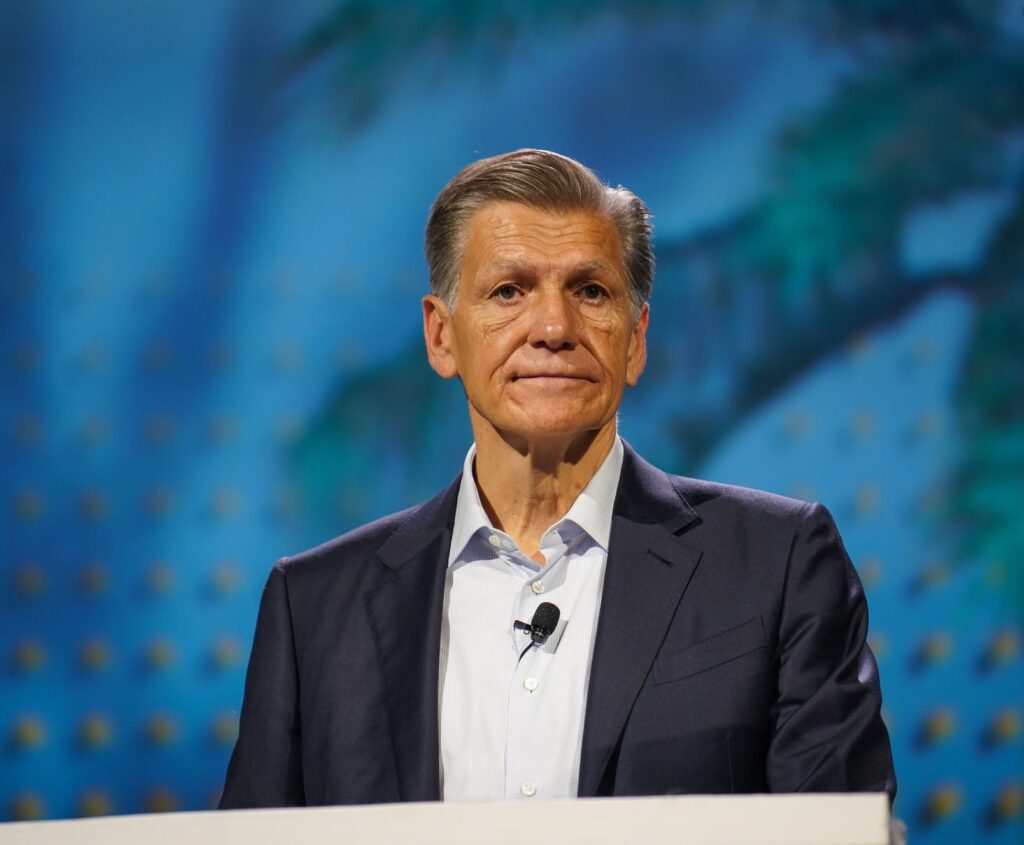
At least according to Marc Pritchard, chief brand officer of Procter & Gamble, speaking at the Association of National Advertisers’ (ANA) Masters of Marketing Summit in Orlando, Florida, this Wednesday.
Nearly all population growth documented in the 2020 US census came from nonwhite ethnic groups. That’s billions of dollars’ worth of consumer buying power.
And yet, only two percent of ad spend is going to Black-owned media, as per many brand and agency commitments.
The industry needs to step up not just because it’s the right thing to do, Pritchard added, but because multicultural markets could be “the economic growth driver for decades to come.”

Pritchard actually scratched the speech he prepared for the event and gave a call to action instead, stressing the need to invest in Black-owned media.
“I had an entirely different presentation prepared,” Pritchard said, but based on conversations with the ANA Board of Directors (of which Pritchard is Chair) earlier this week, he decided to revamp a speech he recently delivered to the National Association of Black Owned Broadcasters (NABOB).
Pritchard specifically stressed the need for investment in Black-owned media, adding that the steps the industry can take are also applicable to other minority and ethnic groups.
Represent
Conversations about multiculturalism shouldn’t be relegated to multicultural-focused events, Pritchard said. “Multicultural marketing is mainstream marketing.”
Half of P&G sales growth “consistently comes from Black, Hispanic and Asian American consumers,” Pritchard said. “We have to seize the substantial market growth in front of us,” he told the audience at the ANA summit, which consisted of about 2,000 industry attendees.
Continuing the momentum means creating more relevant and representative ads – and finding more media inventory to run those ads.
“We are making progress at P&G,” Pritchard added, but “we’re still nowhere near where we want to be.”
Old Spice Rum is a good example of where P&G had to learn from its mistakes.
The brand’s skin care product for men originally ran ads featuring Black men using the product after a rugged session at the gym.
P&G was surprised when the campaign didn’t drive much engagement or sales from the Black audience it was hoping to reach. That’s when Old Spice realized casting Black actors wasn’t enough. The ads themselves need to be an accurate, and not stereotypical, portrayal of the characters they feature.
Black people want to see themselves in ads the way they actually are: smooth and sophisticated, not brash and loud, Pritchard said.
“Representation without relevance is meaningless – it may even backfire,” he said. Consumers are much more likely to make a purchase if they see an accurate representation of themselves in an ad.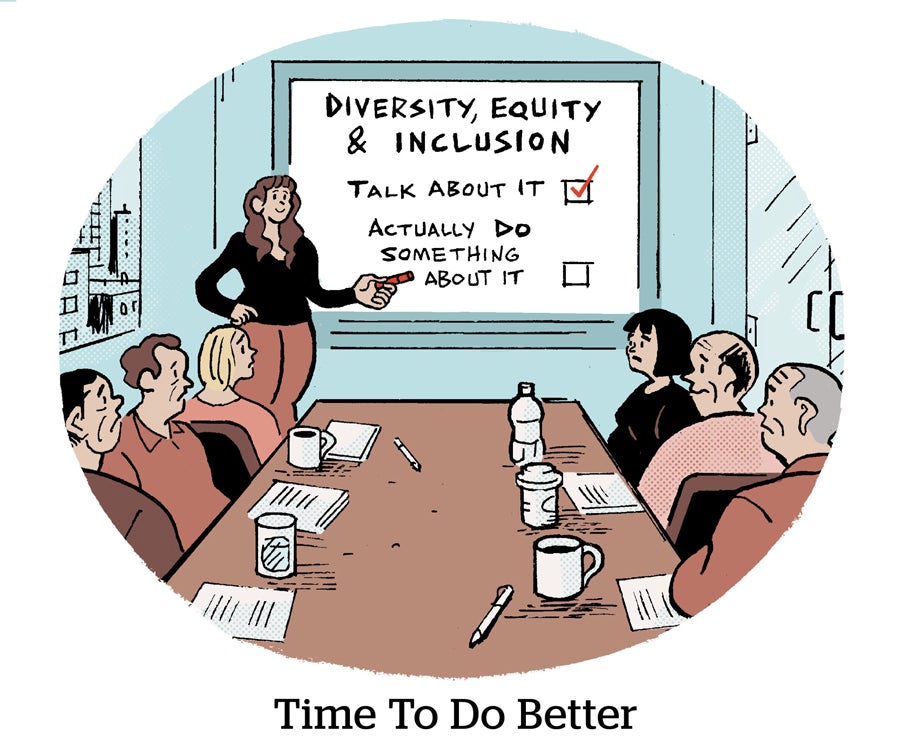
Accruing the crew
Multicultural ads are moot, though, if those ads aren’t scalable.
Specifically, brands like P&G need more media inventory to buy.
Programmatic can solve for scale. The best way to diversify media buys is not just to invest in Black-owned media but to make that inventory available programmatically through media partnerships, Pritchard said.
Directly partnering with Black-owned media, or the companies that represent them, like Group Black, is a good first step. Aggregating Black-owned inventory and making it available for brands to buy at scale through programmatic channels is how the industry can “accelerate the growth potential of multicultural markets,” Pritchard said.
Another way to create more inventory is, well, creating more programming.
P&G launched its Widen The Screen initiative last year to invest in Black-owned content production. Black Entertainment Television (BET) was the first programmer to support the program in broadcast media.
The initiative has resulted in 18 films so far, all directed by Black filmmakers with mostly Black casts. Through the initiative, P&G licenses these films to Black media programmers free of charge.
“This is how we as an industry can expand resonant and representative programming to advertise against,” Pritchard said.
It’s hard work, he added. “But it can be done.”









