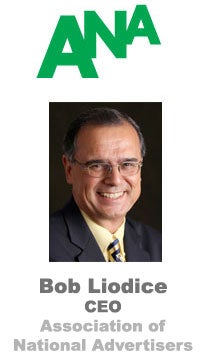
 Bob Liodice, CEO of the Association of National Advertisers, is far from alone in being flummoxed by Microsoft’s decision to roll out IE 10 with Do Not Track “on” by default. But, as a key figure in privacy self-regulation, his confusion is poignant.
“This came out of left field: no context, no rationale, no rumors that this might be coming,” Liodice tells AdExchanger in the below discussion. “Why would you just kind of thumb your nose at the balance of the industry after working collaboratively for so long? Sorry, I don’t get it.”
From the industry’s point of view, the only important question now is, can Microsoft be compelled to walk it back?
AdExchanger: The ANA and others have requested that Microsoft withdraw this decision. Are there specific ways you – as a representative of advertisers & their budgets – can exert pressure on Microsoft to make that happen?
BL: Well, we are trying to raise the noise level, both externally and internally. This will be a topic of conversation with the Interactive Advertising Bureau and the American Association of Advertising Agencies (4A’s) at the ANA board of directors meeting next week. I’m sure something will be said as a result of that meeting.
Our marketers are unhappy. Our board of directors is unhappy. No one’s happy about this. We’re all aware of the communications that we’ve already sent on to Microsoft. We’re only in day two or three. We intend to voice our displeasure and our opposition and continue to do so, and to indicate that this is inconsistent with everything they’ve said and done; that this is inconsistent with the commitment they’ve demonstrated as a partner to the industry; and that we feel this is the wrong solution at the wrong time for all the wrong reasons.

What does the future look like? What’s the worst case? Best case?
Fortunately this is still in preview, although there’s been a million downloads or whatever so far. Best case is, Microsoft says, “Oops, you’re right. Let’s go back where we were.” Candidly that’s what we want.
Worst case, this just muddies everything. First of all, we don’t understand how their Do Not Track signal is going to link everything or give advertisers the ability to respect consumers’ wishes. It represents a whole level of confusion. We think it basically takes everything out of the hands of the consumer.
I don’t understand the chief privacy officer [Brendon Lynch] saying this gives consumers choice. It doesn’t give them choice. They don’t have to do anything. Let’s face it, consumers aren’t savvy enough to understand this. This is not even a consumer issue. If you ask everyone straight on, do you want advertising, of course everybody’s going to say no. But if you say, do you know advertising powers television, radio, the Internet, and now you can have the ads you want, quite a few say, yes, that makes sense.
And if you take away behavioral ads, you’re going to get a whole swath of contextual ads. You’re still going to see plenty of ads, but they’re going to be for diapers or dental ware you don’t want.
So what’s to be made out of this? What’s the benefit to Microsoft? They’re just instituting a level of confusion both with the industry and the consumers so that it’s hard to understand what the next steps are.
Can you answer that? What’s driving Microsoft here?
I really do not know. In all candor, this one took our breath away. This came out of left field, no context, no rationale, no rumors that this might be coming. Obviously they’ve got some major strategy or thought about what this meant, but it beats the hell outta me why they may have done it.
I can’t put the dots together on why they would do this, number one. But secondly, why they would do this and not talk to us. Why would you just kind of thumb your nose at the balance of the industry after working collaboratively for so long? Sorry, I don’t get it.
Some people are now saying this move could destabilize the whole Do Not Track infrastructure – for example that publishers and ad networks could decide not to honor the DNT signal. Do you see that level of threat?
I’ll answer your earlier question. The worst of all possible worlds is doing something in the industry that forces government’s hand to regulate us. If we end up with a situation where we have inconsistent behavior by the industry where consumers’ wishes and desires are not translated into action that reflect their needs and wishes, then we’re only going to invite the government to step in and order us to.
Could that happen? Yes, absolutely. It’s a very real threat. Until we get clarification from Microsoft on whether they’re going to come back into line, we’ll have to prepare for a very disorderly environment.
By Zach Rodgers