
Home AdExchanger Talks Brands, Please Don’t Add ‘Israel’ And ‘Hamas’ To Your Keyword Blocklists

Brands, Please Don’t Add ‘Israel’ And ‘Hamas’ To Your Keyword Blocklists

SHARE:
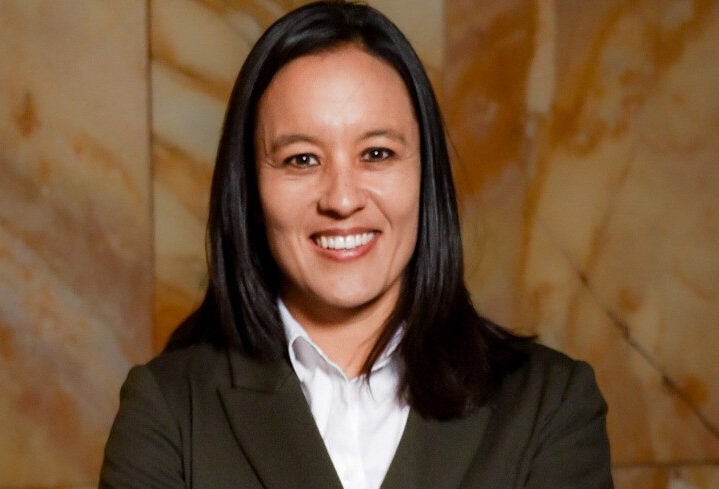
Vanessa Otero, CEO & founder, Ad Fontes Media

The brand safety risk of advertising on trusted news sites isn’t only overblown – it doesn’t exist.

Reliable, high-quality news sources that aren’t intentionally polarizing deserve ad dollars – full stop, says Vanessa Otero, CEO and founder of Ad Fontes Media, a startup that rates the news for bias and reliability, speaking on this week’s episode of AdExchanger Talks.

Brands, of course, have the prerogative to advertise against news. It’s their money, and it makes sense not to spend it supporting false information, propaganda, hate speech, sexually explicit content and gratuitously graphic violence.

But shunning legit news sites for fear of blowback from consumers isn’t a concern with much basis in reality, Otero says. Rather, it’s a knee-jerk reaction that conflates violent content with descriptions of violence.

Any advertisers adding the words “Israel” or “Hamas” to their keyword blocklists right now should take a beat and rethink that decision, she says.

Though brands might find themselves under an unwanted spotlight if their ad dollars support extremist content (left or right), credible news sources (left or right) should be immune from getting caught in the brand safety net.

“It just doesn’t happen that people say, ‘Oh, I can’t believe that this brand advertised next to this unpleasant news story [in this reputable publication],” Otero says. “People are smart, and keyword blocking is dumb.”

Also in this episode: The challenge of promoting media literacy in a polarized society, why Otero doesn’t like the term “misinformation,” intellectual property challenges in the age of AI, the question of whether Twitter/X can sell itself as safe for advertisers and the experience of raising money as an underrepresented startup founder.

For more articles featuring Vanessa Otero, click here.

Must Read

Don’t Worry About Netflix – It’s Doing Fine Without Warner Bros. Discovery

Paramount might have outlasted and outbid Netflix in the competition to acquire Warner Bros. Discovery, but Netflix is not overly fussed about the loss.

Paramount’s Upfront Pitch Is About Three Things

Paramount is merging the ad tech stacks behind Paramount+ and Pluto TV, releasing a new performance product, offering more control over ad placements and introducing dynamic ad insertion in live sports.

Hard Truths For Retail Media At The IAB Connected Commerce Summit

The IAB’s Connected Commerce event in New York City this week felt to me like the retail media industry’s first sit-down explanation to a child who is now a “big kid” and must act accordingly.

Privacy! Commerce! Connected TV! Read all about it. Subscribe to AdExchanger Newsletters

Meta Is Launching An Easy Button For CAPI

Meta is simplifying its CAPI setup and teaching its pixel new tricks, including adding an AI-powered feature that automatically pulls in data from an advertiser’s website.

TelevisaUnivision Joins The Streaming Self-Service Bandwagon

TelevisaUnivision is the latest TV publisher to join the self-serve trend that’s rising in popularity across connected TV advertising. Its streaming inventory is now available to buy through fullthrottle.ai’s self-serve platform. The collaboration includes an ad bidder designed to improve both targeting and measurement.

Comic: Gamechanger (Google lost the DOJ's search antitrust case)

For Google Advertisers Who Overpaid The Monopoly – Don’t Hate, Arbitrate

Law firm Keller Postman is leading mass arbitration suits against Google, seeking advertiser damages for alleged monopoly overpricing. The total available pot is a quarter-trillion dollars.




