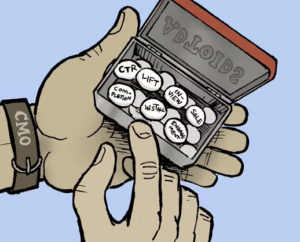
 App developers and publishers who have yet to stop using unique device identifiers (UDIDs) now have a cut-off date. Apple informed app developers yesterday that it will soon ban any apps or updates to existing apps that include UDIDs, a component of analytics systems that publishers and developers have been using to track apps and target advertising.
“Starting May 1, the App Store will no longer accept new apps or app updates that access UDIDs. Please update your apps and servers to associate users with the Vendor or Advertising identifiers introduced in iOS 6,” Apple said in a statement.
A UDID consists of a unique series of 40 numbers and letters that are assigned to each iOS device. While it was not designed specifically for advertising purposes, it has been used to collect user information in a manner similar to cookies, to enable targeted advertising.
Unlike cookies, however, the UDID does not include an opt-out mechanism. Apple has come under pressure by legislators and privacy advocates to do away with UDIDs due to concerns that they could be used as sources of personally identifiable information.

The pressure to move away from the unique identifiers increased after a hacker group AntiSec released millions of UDIDs for iPhones, iPads and iPod touches in September. The hacker group claimed that it had hacked into an FBI laptop, but the hacked source was eventually revealed to be the publisher BlueToad.
Apple had already begun blocking UDIDs on some apps and announced last fall that the iOS 6 would not support UDIDs. It introduced a new Identifier for Advertising (IFA) to replace it, creating a “non-permanent, non-personal device identifier” according to Apple. At the same time Apple added a privacy setting to iOS called “Limit Ad Tracking.” The feature is left off by default. By turning it on, users block data collection by ad networks.