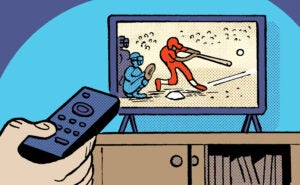
It’s the middle of 2012 and despite expectations of a consolidation among the dozens of social TV/entertainment apps that attempt to connect mobile usage to TV viewing, the space is continuing to see additional players rather than expanding. For example, this summer, UK-based second-screen social TV app Zeebox is scheduled to be available in U.S. In the meantime, established apps from GetGlue and Yahoo’s IntoNow are thinking more seriously about ramping up their revenue growth and establishing deals with media content partners to solidify their respective positions in the app marketplace.
Earlier this year, second screen app Viggle launched with immediate advantages in attracting advertisers such as The Gap, Pepsi, Burger King, Foot Locker, Starbuck’s, Lowe’s, Target and others thanks to the connections of Robert F. X. Sillerman. Best known as the backer of Fox Broadcasting’s American Idol, Sillerman set up Function(x), Viggle’s parent, last fall. While there’s no doubt that a high-powered founder can get things started in a big way, to build on those relationships with advertisers, an established sales chief with a plan is key. Enter Kevin Arrix as chief revenue officer.
Arrix joined Viggle after spending years on the “first screen,” most recently as EVP of Digital Advertising at Viacom’s MTV Networks. Arrix ran MTVN’s digital ad sales and operations across all of the company’s properties, including MTV, VH1, Nickelodeon, Comedy Central, Shockwave, CMT, Spike and Logo. Before MTVN, he held executive posts at CBS Sportsline and Turner Broadcasting. We decided to check in with Arrix to get a sense of how things look from the second screen side.
AdExchanger: What’s your role at Viggle? How does is it different and similar to the variety of executive digital sales posts you held at MTVN?
My role at Viggle is similar to the work I did at MTV Networks in terms of overseeing advertising revenue, integrated marketing and operations. But it’s very different because we are building Viggle from scratch. At Viacom we had legacy systems and established connections in the market. Viggle is as early as it gets, but that’s very exciting. The learning curve is on the rise, which I love. Having the opportunity to build systems, process, and a team from day one is a fantastic challenge.

What is Viggle? Is it a social TV app? A rewards program? A premium brand play for the second screen experience? All of the above?
Viggle is a rewards/loyalty platform for the TV space that rewards viewers for watching and engaging with their favorite shows. Ultimately, Viggle serves the overall entertainment space, but we are currently focused on the TV second screen – an emerging platform where there is real consumption. Viggle is the horizontal destination within second screen. That horizontal experience is complimented by the vertical build that the networks themselves are programming. Together, it provides viewers with a more robust television experience, which is our mission.
Do you see Viggle as a host for entertainment at any point, where people can just check in and watch the content there?
Viggle is absolutely a host of entertainment content, but not full TV episodes. That is the job of the networks and other video-centric sites. Our entertainment experience is complimentary to that full episode content. We are building engagement products that bring viewers back to their primary screen. While there is general acknowledgement that the second screen is a real opportunity, the majority of that consumption is disruptive: it’s email or social, and it’s taking attention away from the big screen. We are changing that. Viggle is bringing viewers back to TV shows, and rewarding them for that.
What makes Viggle attractive to so many blue chip advertisers?
Blue chip advertisers want to innovate. It’s no secret that the traditional ad model is being challenged. Advertisers also want to put their messages where their target audience is spending time. In addition to providing a highly targeted and engaged audience, Viggle gives marketers that chance to evolve and innovate.
There seems to be a lot of emphasis on video ads. Is there a reason for that? Is it to be more reflective of TV? Or is video simply more engaging than a static banner or whatever else is done on mobile?
The current advertising on Viggle is video based. That will continue, but we are beginning to build deeper rich media experiences.
Is the second screen still mostly an experiment for most major marketers? Is the scale really there yet?
All data we have seen to date – user growth, time spent, and advertising results – tells us this is more than an experiment. In fact, our charter ad partners agree this is a real opportunity to reach their target audiences. We are starting to cross meaningful scale milestones.
How do you want to be seen by the TV networks? Are you ultimately using their content to drive your own revenues and collect audience data on broadcast content that they created?
Second screen success and uptake is a blend of vertical (networks) and horizontal (Viggle). There are several ways in which we are partnering with networks to achieve our respective goals. And remember, the inception of Viggle centered on helping networks drive and hold ratings, and we are seeing real results there.
By David Kaplan